Inception Marketing

In a world where businesses fight for attention, inception marketing can cut the noise. This unconventional technique aims to implant desire into your buyer’s mind, subconsciously intriguing them to make decisions.

But how would you approach this?

As per due course, identifying and understanding your target audience is fundamental. Perhaps serendipitously, knowing who your ‘people’ are is riff with classification – demographic, psychographic, and so on. But how do you distinguish character? Dreams? Accomplishments?

Wear their shoes!

Imagine what it’s like to be a member of your target audience. Consider their daily routines, challenges, aspirations, and sources of joy. Empathize with their experiences, and you can gain valuable insights into what motivates them and how your product or service can address their needs.

I’m not saying it’s going to be easy work. It will take time, bottomless curiosity, and creativity to craft compelling buyer personas that will make a difference in your pursuit of growth. You might even have to look the opposite way. Envision your competitor knocking at your door. How would you understand them? What questions would you ask? Then, alas, you can ask the grand question – what message and associations do you want to embed in your target audience’s psyche?

Your answers should create a deep, emotional connection and tap into their subconscious desires, beliefs, and aspirations.

Remember, storytelling is the key.

Evoke sentiment and eagerness and delve into universal themes that address the human experience.

And sometimes broad is better. Subtle and indirect. The goal is to make a long-lasting impact, build brand affinity, and, most importantly, influence their attitude toward your brand in the long term.

What are your thoughts on this marketing tactic?

The Rule of Reciprocation

Next up – Dr. Robert Cialdini‘s Rule of Reciprocation!

Revelation. I’ve taken up something I’m sure a million (or more) of you do. I’m back to listening to ebooks while driving to work. Haha – and you thought it would be something more complicated! I did it before but found I was getting bored of it. I’m unsure if it’s the drone of narration or my susceptibility to zoning in and out. Probably a mixture of both. Alas, as part of my year of sharing insights, I thought it would make sense to dedicate myself to it again. 

So, today, I want to talk about reciprocity in marketing. From a psychological standpoint, this rule is simple. What you give is what you get. We tend to feel obligated to return a favour or gesture after receiving something from someone else. If I come back from the cafe with a donut for you, you will likely buy me a baked good the next time you’re picking up a coffee. 😉 

In marketing, this sense of indebtedness in our actions, or more specifically, messaging, can steer our audience to feel more motivated or compelled to make a decision that will impact their buying trajectory. For example, as part of our ABM strategy, I put together a booklet and sample kit for prospective customers. The act of sending and receiving the package in the mail is not only thoughtful but leverages something of value, something tactile and beautiful, something helpful and intriguing that, in turn, can help the receiving party better understand where our brand comes from and ultimately, our passion and intention of supporting the design and construction community through not only inspiring architecture but inspiration, in and of itself!

Creating this cycle of giving and receiving strengthens social connections and encourages cooperative behaviour among individuals and groups within communities, small and big. I see it as small steps of action becoming big sips of gratitude and many more meaningful opportunities in the future!

Have you taken a reciprocal step? In what way did it change the trajectory of your day? Your goals? Your journey as a marketer?

A brief Forbes article by Jeff Bradford sums it up pretty sweet – https://bit.ly/3NVpYUd

Not done yet! Reciprocity has even been known to foster creativity and innovation, such as this Adobe example in a short Medium article – https://bit.ly/48McaDl

2024 – The Year of Insights

I want to make 2024 the year to share some insights. I have time! You have time! We all have time! While perfecting pour-overs, tackling big hills on runs, or when driving into work – these are all great opportunities to listen and learn something valuable, even if just one small concept, it could turn into a big change-maker!

First up is the Cube of Creativity by marketing strategist Andrew Davis. This framework can help marketers leverage their creative process to promote innovation and encourage better outcomes.

To apply this shift in mindset, we need to be open to embracing constraints, defined by the four sides of a cube –

1 – Eliminate the Unnecessary
2 – Define a Single, Measurable Outcome
3 – Add Unreasonable Creative Constraints
4 – Raise the Stakes

To learn more, check out this episode of the Social Media Marketing Podcast with Michael (Mike) Stelzner – https://bit.ly/3TV2D8T

You can also find more details here – https://bit.ly/3TRFJiF

Hope everyone is off to a productive and fulfilling new year!

Social Media Update 2023

Hey everyone! My gosh, has it been a long time! I’ve been so busy working on my career that I haven’t had two seconds to post on my personal website. Transparency aside, I wanted to share a new series based on a weekly project I run at work called Social Media Update. In this series, I touch on social media and general marketing strategy, and I thought it would be great to share it with you all.

I’ll work my way back to when I started at Longboard, so here is our first instalment! Have fun with it, and if you have any questions, feel free to reach out at info@chonafecanlas.com.

Finding the ‘intriguing angle’ is the idea that we can focus on big-picture topics like our core aspects (innovation, sustainability, quality) to create compelling content that impacts our target audiences.

When creating social media content, we can ask and answer a couple of questions:

Q: What is a significant concern for our business and other businesses today?

A: Our audience demands a greater understanding of where and how our products are sourced and manufactured.

Q: What approach can we take?

A: We can and should comment on sustainability by promoting a transparent and traceable approach. This entails a mix of carefully curated messaging that effectively positions our differentiators while driving an emotional reaction from our audience. 

For example, we could share that all production is on-site and that we have an incredible production team that helps to build our premium products. We would also mention that we pursue responsible consumption and production, which helps create sustainable architecture that positively impacts the environment and the communities around us

Our team is mindful that we must not fall into the trap of hoping word will get out and the customers will come. Through proactive and strategic messaging, we can understand why we do what we do, and share that message with the world. 

So, what did you think of that? Do you feel inspired to identify some core aspects of your business, then do a deep dive into how they can impact your target audience? Please share your thoughts!

Food for Thought

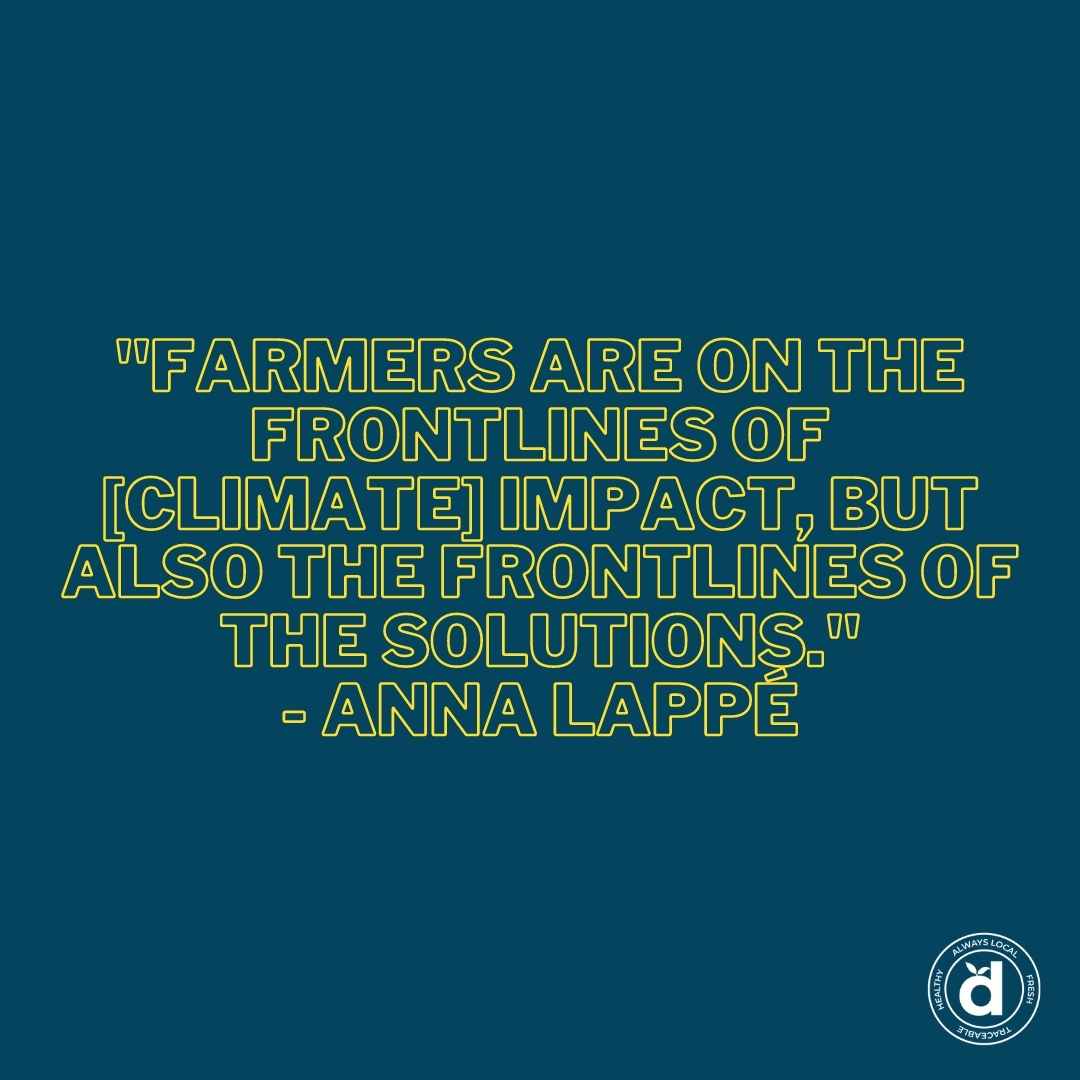
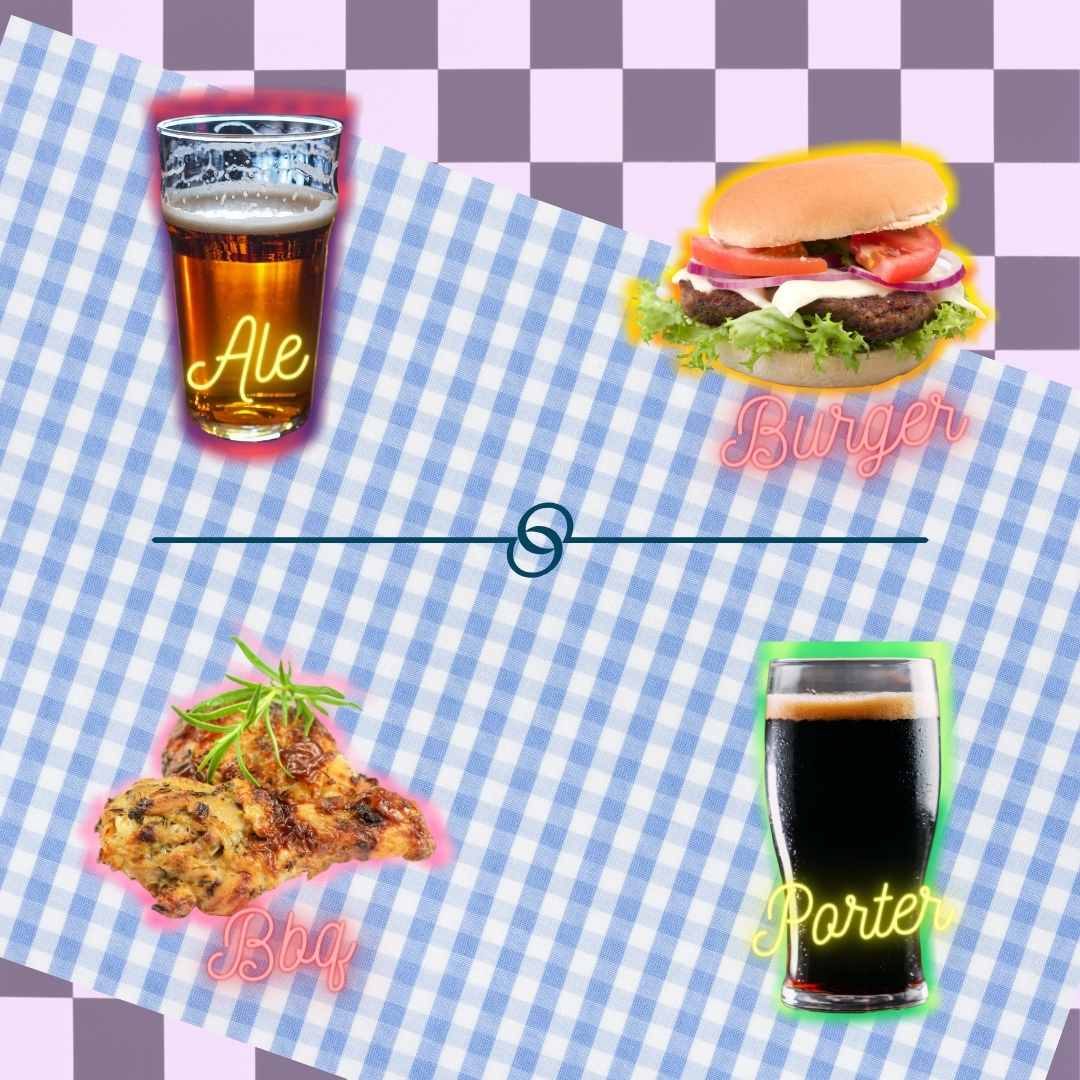
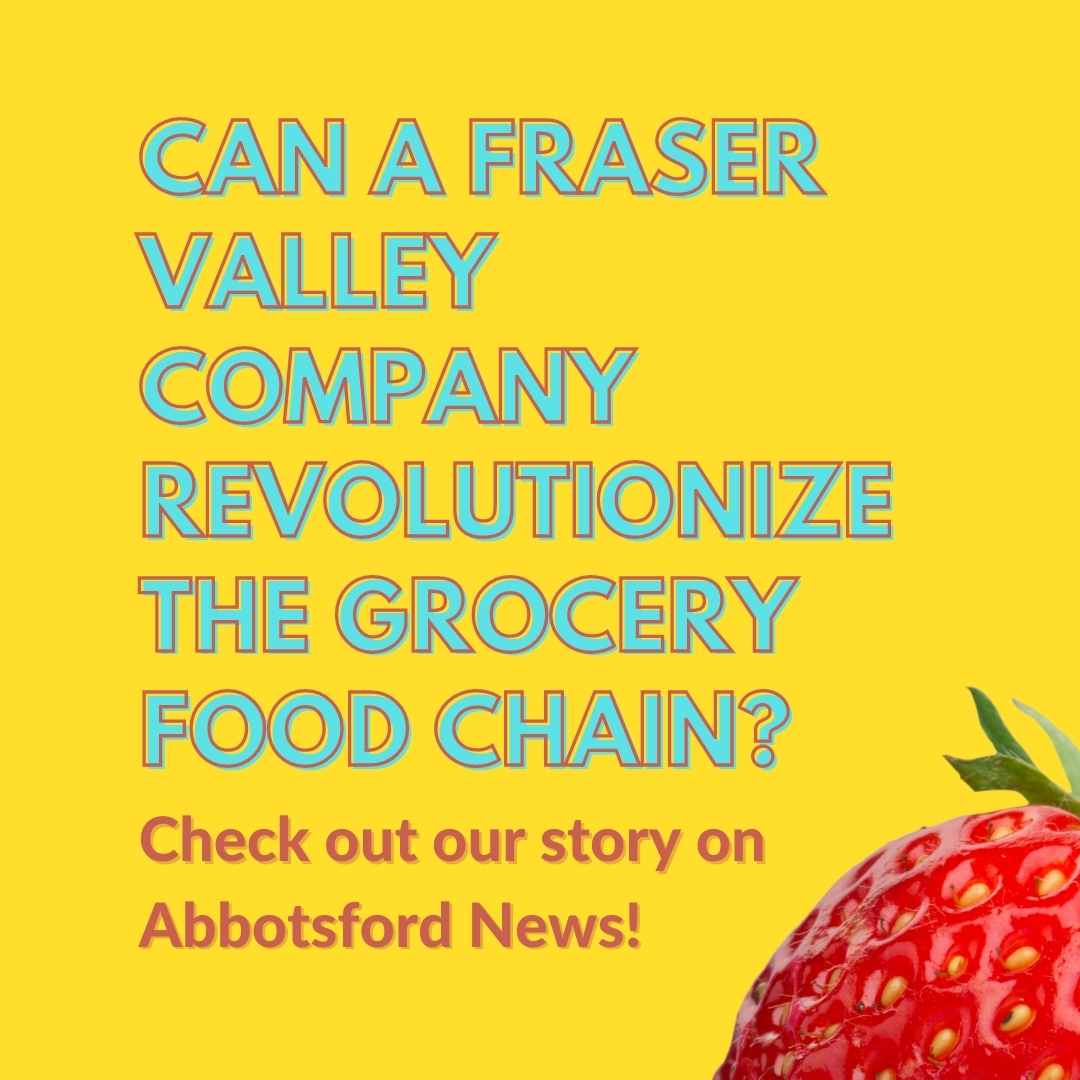
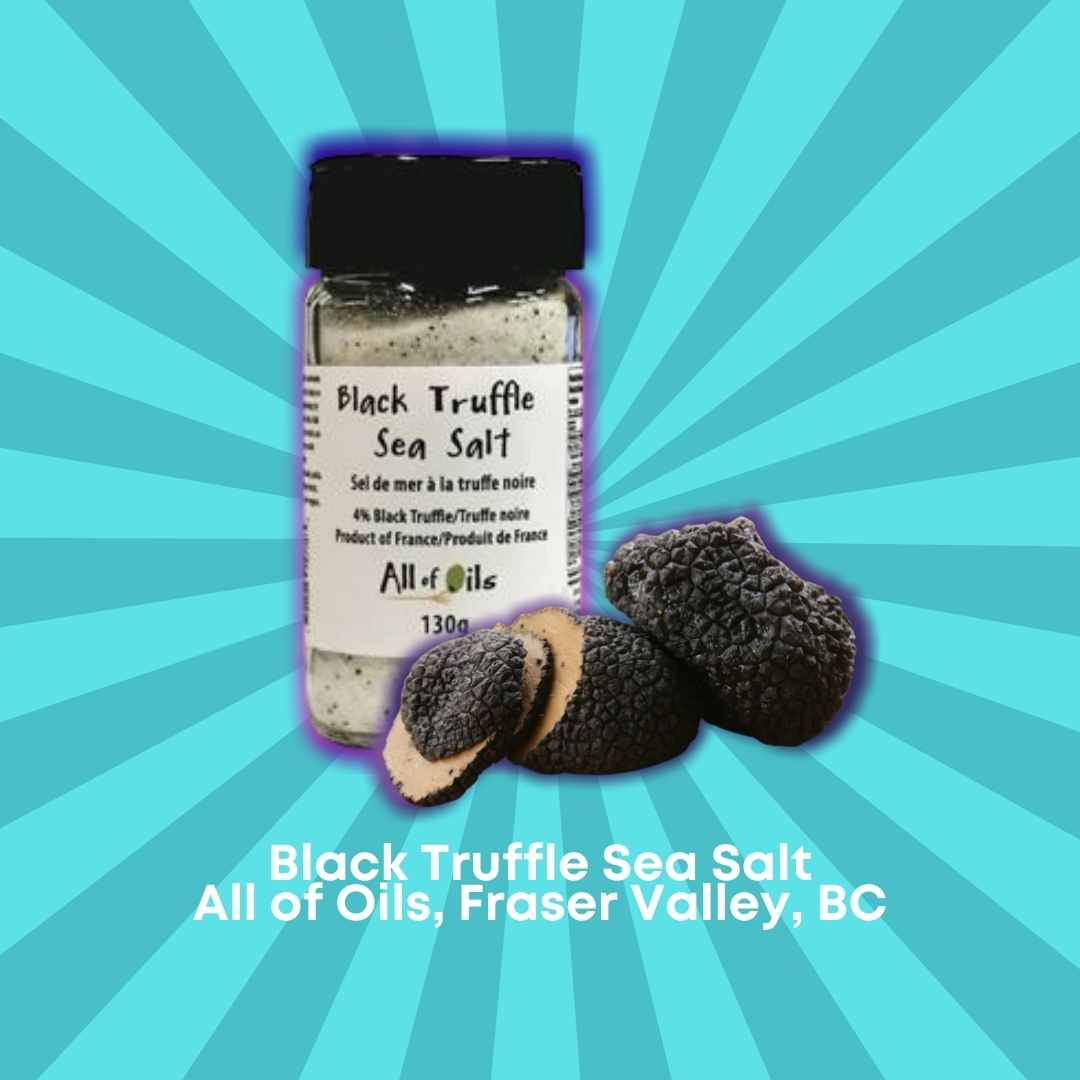
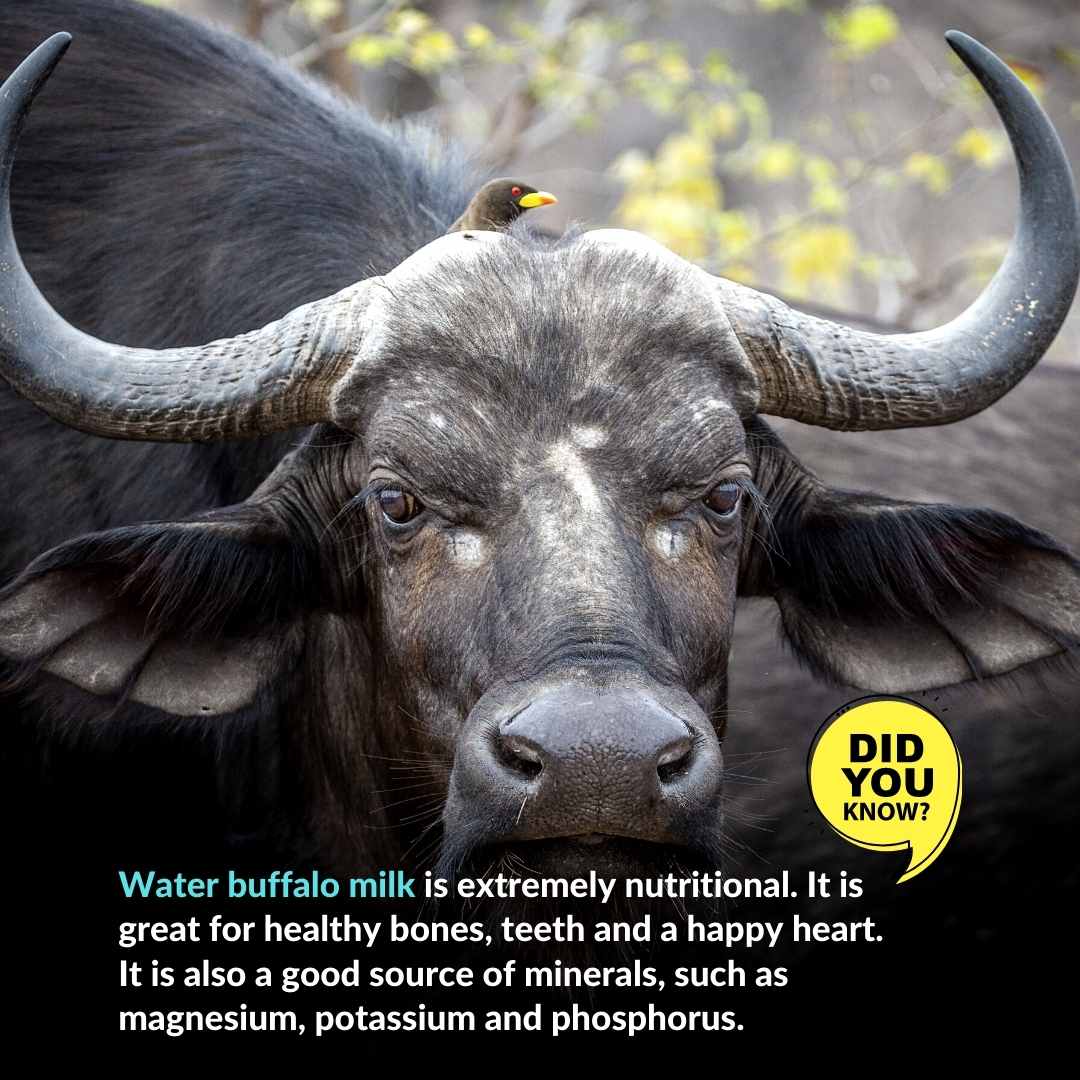
I wanted to share some recent social media work I developed for DirectFood.store. Check it out and let me know what you think!

Updating Brand Strategy

Hi everyone!

Brand strategy is my passion. What are you passionate about?

I compiled these images, which are re-designs (content has also been revised) of the original images in my post Brand Strategy and from the Recent Works – Direct Mail Proposal project I did in October. What do you think of the new design? It was inspired by mid-century modern graphic design. I did a whole series of work based on some images from a book titled, Mid-Century Modern Graphic Design by Theo Inglis. I will put together a #bloxbooks post about it soon. In the meantime, enjoy the work below. I am open to a discussion anytime, reach out!

Brand Strategy 1

Brand Strategy 2

Brand Strategy 3

Brand Strategy 4

Brand Strategy 5

Brand Strategy 6

Brand Strategy 7

Brand Strategy 8

Brand Strategy 9

Brand Strategy

Hi gang!

I was excited about creating these designs. The work was produced using Canva and took about 30 hours (including printing and assembling) to complete. I left out the personal part of my proposal, but I hope you can derive a positive sentiment from the style + tone I chose to go after!

This portion of the proposal defines a brand strategy in three parts – the social media aspect (WHAT), art direction aspect (HOW) and digital specialty aspect (WHY). At best, these aspects are shared and applied to a project equanimously in order create a sweet spot, ‘the magic’ or WHERE and WHEN true potential can emerge.

This whole concept is derived from Simon Sinek’s Golden Circle Theory which purports that great organizations create their foundation by addressing WHY they exist, HOW they go about their mission, and then finally, WHAT they do.

In my model, social media is used as a product or service we sell, however this can be changed to web development, SEO, email marketing etc.

The HOW is the people who are involved in the project. It is what sets us apart from the competition. It is what makes us unique and indispensable.

Lastly, WHY is the ultimate outcome. Very few organizations know WHY they do what they do. Why is not about making money. That’s a result. Why is a purpose, cause or belief. It’s the very reason your organization exists.

In synergy, any set of core values can be realized. In my model, I value belief, faith, trust and love. As a brand strategist, my ultimate outcome paints a beautiful picture for both the seller and buyer. The PICTURE is the agency differentiating itself from competitors. WHERE and WHEN this occurs impacts results – profitability, scalability and customer experience.

Have a look at this brief slideshow and let me know what you think –

This slideshow requires JavaScript.

Remember, there is always room for further or greater interpretation. This is the sweetness of advertising. Branding is the #1 method we can use to portray our message, whether that message be creative, technical or both, a brand is responsible for defining who we are and what we do!

Talk soon!

The Social Seller & Social Buyer

Hi gang!

Let me know what you think of this project!

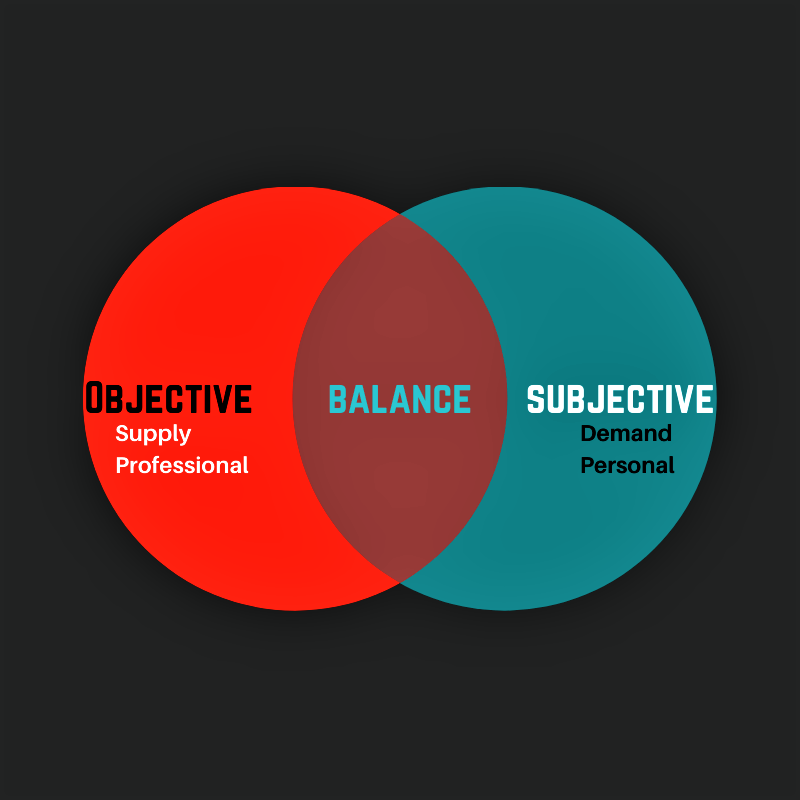
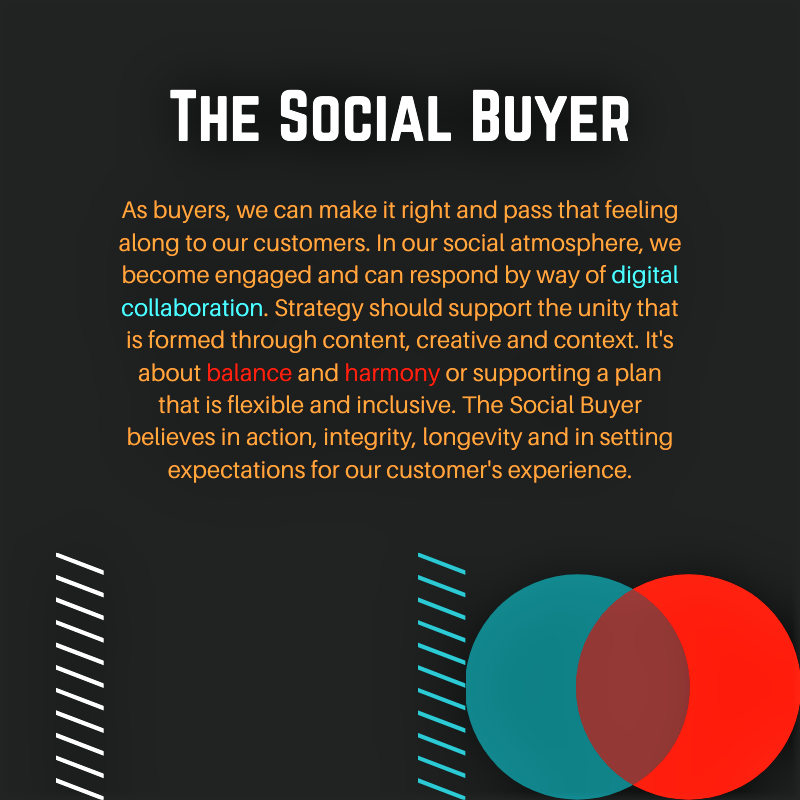
In my next few posts, I will showcase elements extracted from a direct mail proposal I created about brand strategy. The images below are a continuation of my Seller & Buyer persona study (also see image description in Previous Projects) and comment on the social aspect of selling and buying in the marketing industry.

Here is a pertinent excerpt from another relatable post Brand Names

For example, we (Sellers & Buyers) make the same, dedicated connections when observing a special life experience. Then, this can be observed through products and services. We recall brand names and in the long-term, we remember who you are for what you can bring to the table. Then, the name you have chosen to attach to your products and/or services will become synonymous and eventually engrained in time.

The original document was printed on glossy cardstock and sized like a 10″ vinyl record cover. They were presented in a stack, so that the viewer could lay them out on a table and take in a visual and sensory experience.

I placed a variation of the BLOX rabbit mascot in the bottom right hand corner of the images, the seller mascot wearing the creative BLOX logo and the buyer mascot wearing the technical BLOX logo. I’ve just recently defined this aspect of my brand and have much more to explore regarding it in the future.

Here’s an interesting article you should read – Why people focus on the right-hand side of a design taken from creativebloq.com.

9

10.png

Project Future – Can Something Become Practical in Theory?

Hey gang!

I am futuristic and that’s final. My mind lives in the future. Theoretically, I train envisioning that we can live in an entirely digital space. Practically, we live in this space doing regular things, but we also fend for ourselves using our brains. Oh, so this is life! Let’s put a couple of examples into perspective. Note: this post is starting to examine the concept of ‘internet of things’.

Abstract – thing / being / human / agreeance / motion

We live on a physical planet where issues like climate change are just beginning to surface. This a real and serious thing. A 16-year-old climate change activist from Sweden, Greta Thunberg is fighting with global politicians pleading, “How dare you!” Her statement is full of impatience. Does this quantify or qualify the time it has taken to have a crisis like climate change in focus? Now envision, in an utmost technologically advanced society, affecting the outcome of global issues via thought. Think about this – do Thunberg’s words permeate:

an action / integrity / longevity (experience) *creativity +strength

or

a brand / transparency / visuality (capability) *productivity -weakness

In certain applications that are already in place, we could debate the efficacy of an activist’s approach. However, would there be more power in advertising or marketing a cause if the objective considered certain design elements or art attributes? How do we implicate values like belief, trust and faith into a balanced and harmonious solution? And what would be the outcome of such an act? More opportunities? Less threats?

Think ads, television, movies, radio, books.

If those in charge of operating the goods either 1 – don’t fully comprehend new technologies due to incumbent roles and desires of maintaining diplomatic consensus or 2 – need to allocate funds to get everything in place, this does not mean they’re not participating in or understanding at all. And I’m talking highly established and evolved grey matter here! Executives of all sorts know, but the argument could be that we may potentially lack tacit knowledge and this is required to engage with younger generations or for that matter, older ones too. Throes of people that might already comprehend digitization (including all levels of being – thing, human etc.) are waiting for two things – a revolution and massive change. How is it going to pan out?

An example of Global Comprehension at work –

Do you remember when Facebook’s Mark Zuckerberg endured a 2-day congressional inquisition on the possibility that his company helped to fix Trump’s election campaign by intentionally (or unintentionally) releasing Facebook user data?

  • What was that all about?
  • How would you explain it to a Baby Boomer, Millennial or Digital Native?
  • How did this issue affect us in terms of technology?
  • How did this issue affect us in terms of marketing and advertising?
  • How did this issue affect us in relation to design?
  • Does it bear any importance?
  • How do we begin to explain these types of situations without being merely journalistic or too afraid to elaborate in a caption?
  • Should it matter and why?

We are honourably asking, what does Facebook incentivize and why? Personally, I think they are doing something amazing and are truly planning for our future.

In spite of everything, both Thunberg and Zuckerberg bear weight and responsibility representing modern dilemmas that many people don’t want to talk about. Or perhaps won’t or can’t.

Q: So, what are these dilemmas that require Global Comprehension?

A: Critical mass (Thunberg example) and artificial intelligence (Zuckerberg example)

Hypothetical Solution: recognizing power in unanimity (Thunberg example/things in agreeance) and leading with a ‘Productive Creative’ brain (Zuckerberg example/things in motion)

Note: the term Productive Creative is explored in Hustle & Float, a book by Rahaf Harfoush, a strategist, digital anthropologist, best-selling author and Executive Director of the Red Thread Institute of Digital Culture. She also teaches “Innovation & Emerging Business Models” at SciencesPo in Paris. This quote explains Productive Creative further –

But what happens when the product or service we are providing becomes more intangible in nature? The economy’s gradual shift to include more knowledge work meant that creativity was suddenly a highly desirable trait. That’s where the Productive Creatives came in: to stay relevant and profitable in a rapidly evolving economy, companies desperately needed problem solvers, strategic thinkers, and idea generators. This new type of work created a ripple within traditional workplaces, which now struggled to apply the same clear-cut approach to the creative class. Organizations had to adapt the decades-old systems that developed standardized organizational capabilities to ones that cultivated individual experts who could respond to market conditions with agility.

It would be time to show people – from all walks of life – what is actually going on. There is no need to be livid or paranoid or just plain complacent; if we just had Global Comprehension in place!

So let us say that today, we have the power, we have the goods, and we most definitely have the stage to set our differences aside and come up with new and inventive ways to approach our problems. So, the question becomes – can we altruistically and artificially fix problems like climate change? Could all the world’s brains come together and compute a solution that’s entirely technical (it could just be code of us walking around – engineering a practical application of semantics and proxemics really), but that would emote a creative shift in the planet’s thought processes, all things included? Without the desire to push our creative and technical limits, we will not progress. We will not move forward with fundamental ideas like artificial intelligence or critical mass.

If we can understand the essential framework of these new systems, future generations can develop and implement changes. Gen Y will test and research, then together, all generations can draw some very much needed transparent, accurate and responsible conclusions. The funny thing is, when the revolution (arguably renaissance even) is over and done with, what will be left? In other words, if there is no dilemma, did the dilemma even exist in the first place? This is my theory on Practicality – one planet, 1 human!

Uh-oh!

Today, let’s be practical (according to http://www.dictionary.com):

  • relating to practice or action
  • consisting of, involving, or resulting from practice or action
  • of, relating to, or concerned with ordinary activities, business, or work
  • adapted or designed for actual use; useful
  • engaged or experienced in actual practice or work
  • inclined toward or fitted for actual work or useful activities 

This is a timely discussion and we are all a part of it. How does this make you feel? Worried, scared, unusual? Would you be interested in exploring these ideas further if they were presented differently? As a note, I am always speaking to a mainstream audience. I think connections need to be made for each and every one of us, not only for those residing in an academic pool.

Great work, talk soon!


#impromptus

Hey everyone!

Hope your weekends were fun!

I’ve started a third campaign called #impromptus. It’s focus is to develop and deliver brief commentary on interesting research I’ve come across relating to art + digital marketing + social media.

My goal with this campaign is to disseminate any relevant literature, then to relate researchers’ messages to my own studies on ‘global comprehension’. I’m still enraptured by the idea of defining the digital condition of human life, so I will use my blog ChonaBLOX and my articles on LinkedIn as an educational platform to inspire my vision – exploring the right-brained application of artificial intelligence.

Most of us don’t have time to read through pages and pages of research and sometimes content becomes too complex, so I will use simpler, more modern language in my interpretations while linking back to the original idea at hand.

To get us started here’s a great quote about gratitude –

“I looked around and thought about my life. I felt grateful. I noticed every detail. That is the key to time travel. You can only move if you are actually in the moment. You have to be where you are to get where you need to go.” – Amy Poehler

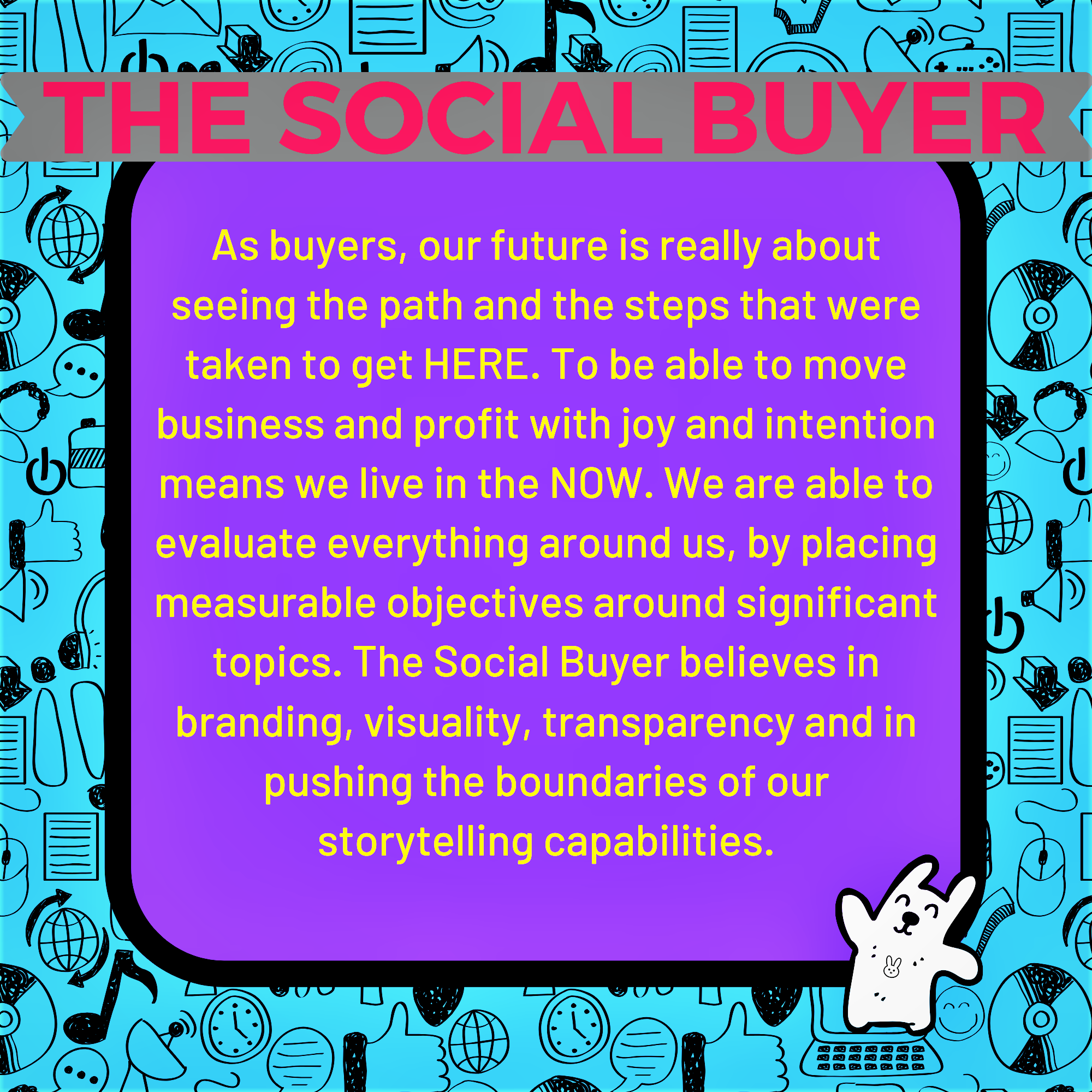
Takeaway: one must perform self-talk to quantify positive life events. For example, you could say – in one month’s time, I completed an intensive course, I received 3 valuable certifications, I took less naps during the day and I ramped up my workout routine. A grateful outcome would be an instance where you could tell yourself positively – I can tell the difference! I did this within this time frame! And then, reiterate the reason WHY this is of value. It really is all in the details. The details of putting the work into practicing self-worth. Time travel is just another way to say, I can live in the past to qualify my present. Then, these actions together, can bring about my future. Our future is really about seeing the path and the steps that were taken to get HERE. And Amy is entirely correct, to be able to move (with joy or intention) means you live in the NOW, you are HERE and able to evaluate everything around you, by placing measurable objectives around significant topics. For example, you could say – that test was comprised of 53 questions, they were challenging as they presented theoretical and/or fundamental situations that required analysis which uses thinking and my brain. This is significant because one year ago, I didn’t even know what marketing was. I didn’t even know that you could run Facebook Ads. I didn’t even know that I had the ability to study or the capacity to learn complex subject matter. On my own. With barely any additional help. This subjectification (or my attitude/viewpoint) classifies (makes relevant or arranges) each and every action in (my) life and like the #impromptus post below comments, this is the continual motion, the framework, the mechanism that guides our work on social media platforms like Instagram. As creators, we can make it right and pass that feeling along to our audience. And they can respond or reply by way of digital collaboration. And this example of gratitude is tough. It is very difficult to break down unity through creative + messaging. I hope you can make that connection!

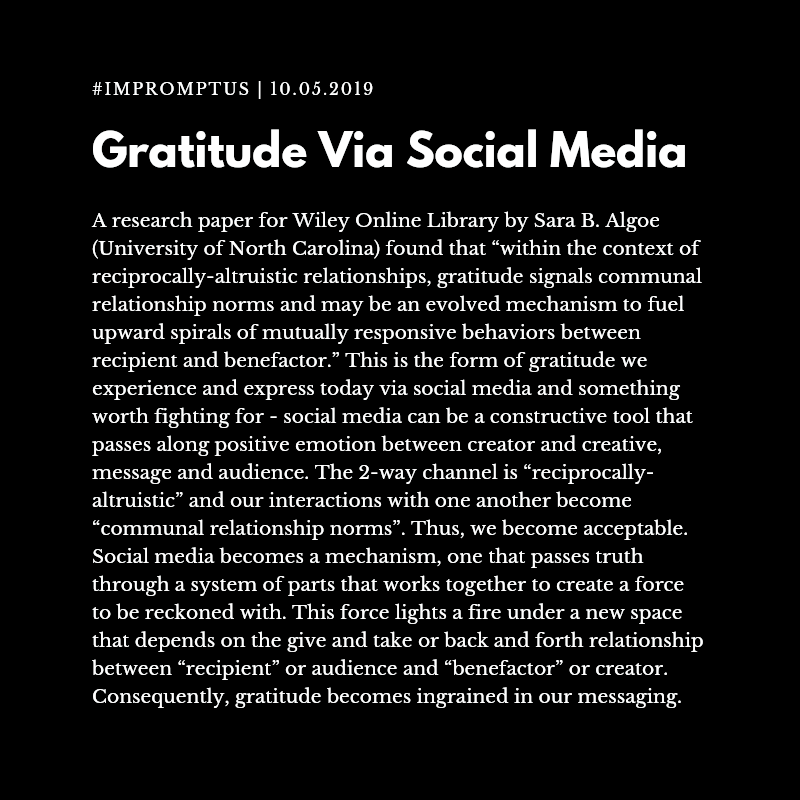
So without further ado, here’s my first #impromptus post – Gratitude Via Social Media

#impromptus graphic/template - gratitude via social media

I hope you like this new project, any feedback is more than welcome!

The power is in us to incite wonder and change!

Cheers!