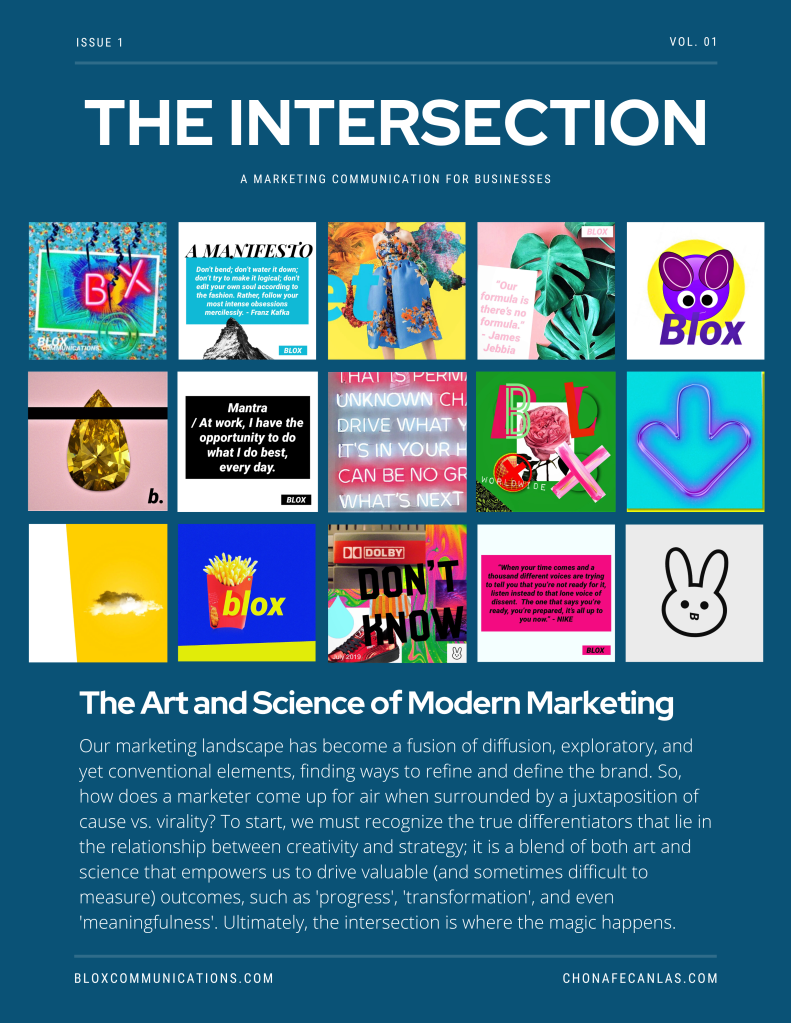
I’ve made some refinements to the original issue, which I previously posted as a plug for a podcast idea (see the updated written version below). If you’re wondering, yes, I still want to start a marketing podcast. I’m still exploring ideas on how to execute all of this. Likely, it will be a monthly contribution, again, following relevant topics around ‘A Marketing Communication for Businesses’.
This serves as inspiration and is also creative fuel for my passion project—Blox. Communications, a marketing consultancy and a project I’m building alongside my professional career as a Marketing Manager. It’s a service-based platform designed to support mid-sized businesses across sectors, including but not limited to manufacturing, distribution, and tech, with bold (a.k.a. creative), strategy-driven marketing solutions that connect, differentiate, and drive results.
If you have a project in mind that sparks your interest or if you’re struggling to find direction for your marketing department, let’s discuss and create a plan tailored to your needs!
The website is being developed, but so far you can take a look here.
And if you’re curious, it has been a long time since I’ve posted. Life has been uber busy, and while I know that is the lamest excuse, believe me, I remain dedicated and committed to my art, writing, and design! Posts to come – promise!
For now, enjoy reading The Intersection, and as always, I am open to hearing your feedback or suggestions. Talk soon.
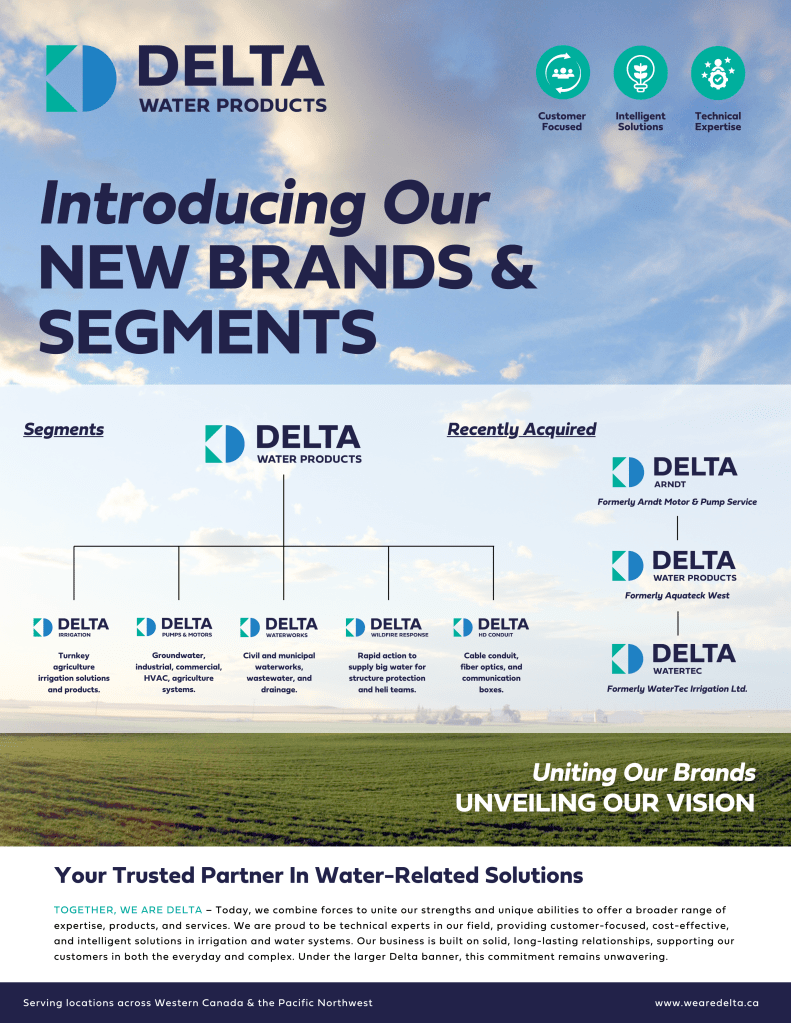
It’s been a slice since I’ve been on here. It’s because I have recently (well, about five months ago now) started a new job! I’m so excited. It has been the opportunity of a lifetime, and I am learning so much about a new industry and finding myself passionate about the projects I’ve been undertaking. Who is the new company? Delta Water Products! The head office is locally based in Chilliwack and has 14 branches across Western Canada and the Pacific Northwest. I’ve been hired as the new Marketing Manager, and my very first task was to take on the company’s rebranding as it became the parent name to several sub-brands, which required a complete revitalization of the brand.
Now, it’s essential to remember that rebranding is not a mere cosmetic change like a new logo or catchy tagline; it’s a strategic initiative that can redefine a company’s identity, reposition it in the market, and set the stage for long-term success. As businesses evolve, rebranding can be crucial in aligning a company’s image with its vision, values, and the market’s ever-changing demands. Understanding this strategic nature of rebranding can empower those involved to make informed decisions about their company’s future. Let’s delve in to understand better what a rebrand is.
What is Rebranding?
Rebranding is the process of changing an organization’s corporate image. It involves updating or completely overhauling the brand’s name, logo, visual identity, messaging, and sometimes its core values and mission. The goal is to create a new identity that resonates with customers, differentiates the company from its competitors, and reflects its current or future ambitions.
For many companies, rebranding becomes necessary after mergers or acquisitions, market shifts, changes in customer preferences, or a desire to enter new markets. It’s a way of breathing new life into a brand and ensuring it remains relevant and competitive.
What Makes a Successful Rebrand?
A successful rebrand is one that not only captures the essence of what a company stands for but also resonates with its target audience. Here are some key elements that contribute to a successful rebrand:
Clear Purpose and Vision: A rebrand should be driven by clearly understanding the company’s goals. Whether it’s to attract a new customer base, reflect a merger, or reposition the brand in the market, the purpose behind the rebrand should guide every decision.
Consistency Across All Touchpoints: Rebranding isn’t just about changing a logo. It’s about creating a consistent brand experience across all customer touchpoints—from the website and social media to packaging and customer service. Consistency helps build trust and recognition among customers.
Stakeholder Involvement: A rebrand should involve input from critical stakeholders, including employees, customers, and partners. Their insights can provide valuable perspectives on what the brand represents and how it should evolve.
Authenticity: The new brand identity should reflect the company’s values and heritage. A successful rebrand doesn’t mean abandoning what made the brand strong in the first place; it’s about building on that foundation.
Effective Communication: It is crucial to communicate the reasons behind the rebrand and what it means for customers. Transparency helps in gaining customer buy-in and ensures a smooth transition.
Rebranding for Sustainability and Longevity
A well-executed rebrand can significantly contribute to the sustainability and longevity of a company. Here’s how:
Adapting to Market Changes: As markets evolve, so do customer needs and expectations. Rebranding allows a company to adapt to these changes, ensuring it remains relevant and competitive.
Expanding Market Reach: Through rebranding, a company can reposition itself to attract new customer segments or enter new markets. This expansion can lead to increased market share and growth.
Strengthening Brand Equity: A robust and consistent brand builds equity over time. Rebranding can refresh and reinvigorate a brand, increasing its perceived value and enhancing customer loyalty.
Reflecting Growth and Evolution: Companies grow, and their brands should evolve to reflect that growth. Rebranding allows a company to communicate its progress, innovations, and future direction.
Building a Unified Brand Identity: In the case of mergers or acquisitions, rebranding can unify different entities under a single, cohesive brand. This simplifies the brand architecture and helps create a more substantial, recognizable presence in the market.
This rebrand was not just about a name change. It was about unifying these brands’ strengths and unique abilities to offer a broader range of expertise, products, and services. By becoming Delta Water Products Group, the company has expanded its geographic coverage across Western Canada and the Pacific Northwest and diversified its product segments, including Irrigation (Turnkey agriculture irrigation solutions and products), Pumps & Motors (Groundwater, industrial, commercial, HVAC, agriculture systems), Waterworks (Civil and municipal waterworks, wastewater, and drainage), Wildfire Response (Rapid action to supply big water for structure protection and heli teams), and HD Conduit (Cable conduit, fibre optics, and communication boxes).
This rebranding effort underscores Delta Water Products Group’s commitment to sustainability and longevity. By consolidating under a single, cohesive brand, the company has strengthened its market position, making it more agile and better equipped to meet the needs of its customers today and in the future.
I hope this all makes sense to you! Just keep in mind – rebranding is a powerful tool that, when executed thoughtfully, can increase a company’s relevance, market share, and longevity. It’s more than just a visual overhaul; it’s about aligning the brand with the company’s current and future goals. For companies like mine, rebranding has provided a renewed sense of purpose, a more robust market presence, and a clear path forward in an ever-evolving industry.
We took many steps to execute the rebrand, including building a new landing page, updating email signatures, and releasing brand announcement letters. My next big project is building one unified website to consolidate the brands and represent our group. I’ve shared a couple of different brand announcements I made below so you can understand my approach and the new branding. If you have any questions, feel free to contact me anytime!
A good curveball is an opportunity (remember, problems are opportunities) to:
1 – Own your dreams.
2 – Reimagine the world.
Own Your Dreams
To own your dreams, you must recognize, acknowledge, and value the fact that something is waiting for you out in the world.
It is there to fulfill.
It exists to make you happy.
You are satisfied when united (or reunited) with it.
It becomes a part of you and can be shared with others.
A Good Curveball
Owning my dreams is being connected to work I’ve always envisioned doing—building a sustainable and scalable brand that will influence people inside and outside the operation.
Reimagine the World
Second, to a good curveball is our ability to reimagine the world. Through a clear and defined vision and mission, we can accomplish anything. With a good heart and holistic stance, our world can become something better, more equal and more understanding.
Reimagining the world involves pushing boundaries, setting new standards, and developing a structure or process that leads to innovation, progression, and growth.
I think I get thrown more good curveballs as I age, so I hope this becomes the norm and the opportunities don’t cease!
As I continue to inspire and empower people to make a difference in their daily lives, I recognize three things that matter to me today. Of course, there’s always more, but let’s get started with these!
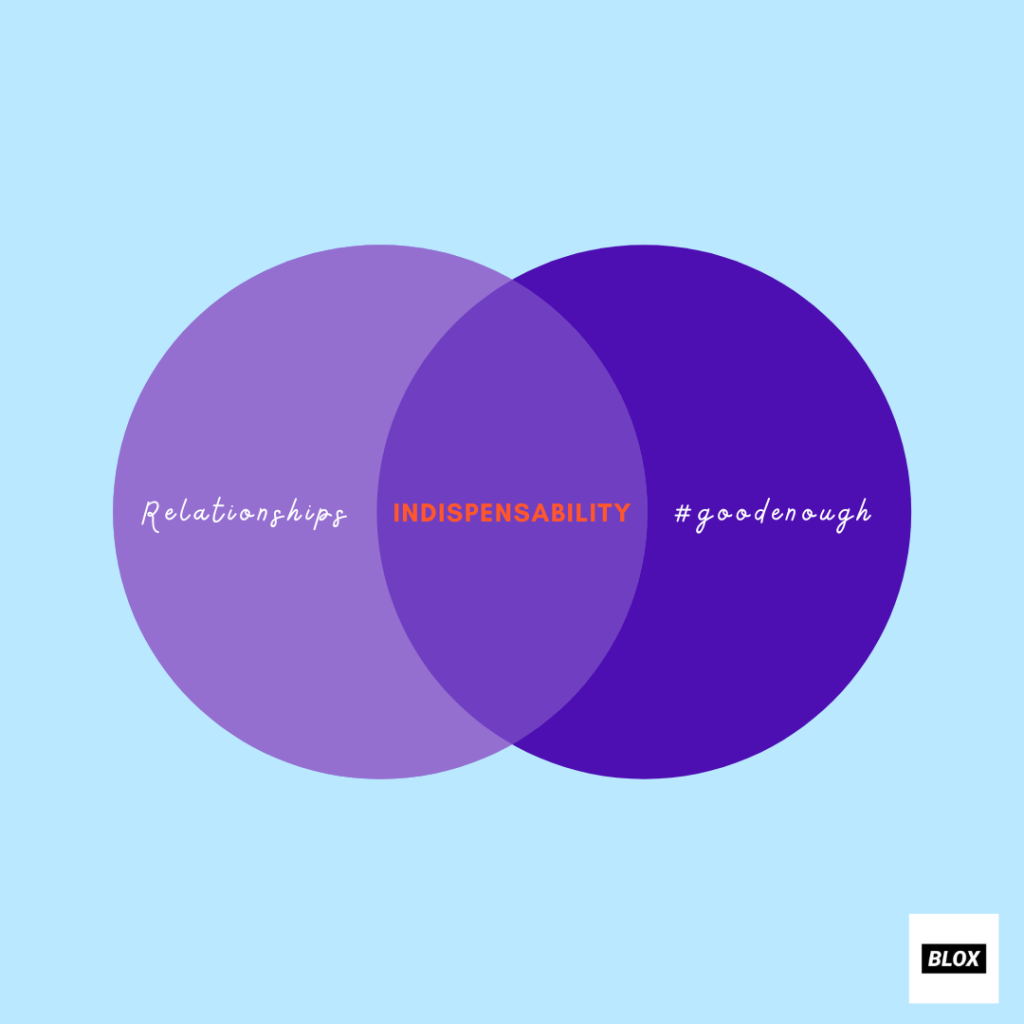
Become Indispensable
1- Relationships
One of the biggest influencers in my marketing career has been the formative relationships I have built over time—in both the long and short-term. Having a direct report has taught me to be vulnerable and courageous as I’ve had to steer a small team in a viable direction while maintaining strong, personal connections which benefitted the entire team. I am particularly grateful for the opportunity to work directly under the Founder and CEO of Clearbridge, Ryan Kononoff. He has taught me many things about engagement and the effort required to make meaningful projects matter to an audience. I am also thankful for every other team member I’ve had the chance to grow alongside.
You are bright.
You are dedicated.
You are special!
2 – #goodenough
This is one lesson that has helped me to conquer my perfectionism. I recall working on one of my first projects, a new brand book (or later called a Playbook), which in scope was a huge undertaking that could have demanded months of work. But with the knowledge that a marketer should be agile, or as the Agile Marketing Manifesto states –
“To keep up with the speed and complexity of marketing today, we must deliver value early and often over waiting for perfection.”
In creative marketing, we challenge ourselves by generating work that is original, unique and that manifests a change in its surroundings. In analytical marketing, we must use data sets to quantify results. Pairing the two (creative + analytical marketing) is where #goodenough truly shines—we can experiment to determine what approach works the best, and we don’t have to wait to be enlightened. We should find insights with every movement or decision we make!
3 – Indispensability
I rarely finish an entire book in one sitting. It’s often hard for me to finish it at all. I prefer to scan information and read what will be of value to me. Such was the case with Seth Godin’s book Linchpin. As he writes –
“You have brilliance in you, your contribution is essential, and the art you create is precious. Only you can do it, and you must.”
Such an important lesson because it’s much too easy to forget your worth. We must use every inch of our being to recognize and become more self-aware. In marketing, the potential to get lost in a sea of tasks and activities might forsake where the value truly lies—creating, ideating, and examining the wonder and change that a type of approach can incite.
Being indispensable takes:
Courage
A growth mindset
Initiative
Risk
And most importantly…talent. You can’t duplicate indispensable work. I truly believe this!
The Playbook
A pièce de résistance, I hope you find value in reading it!
Capturing imagery + text in an intertwined relationship is fascinating work. There’s something about mingling elements, contrasting colours, and purely expressing a message that excites me.
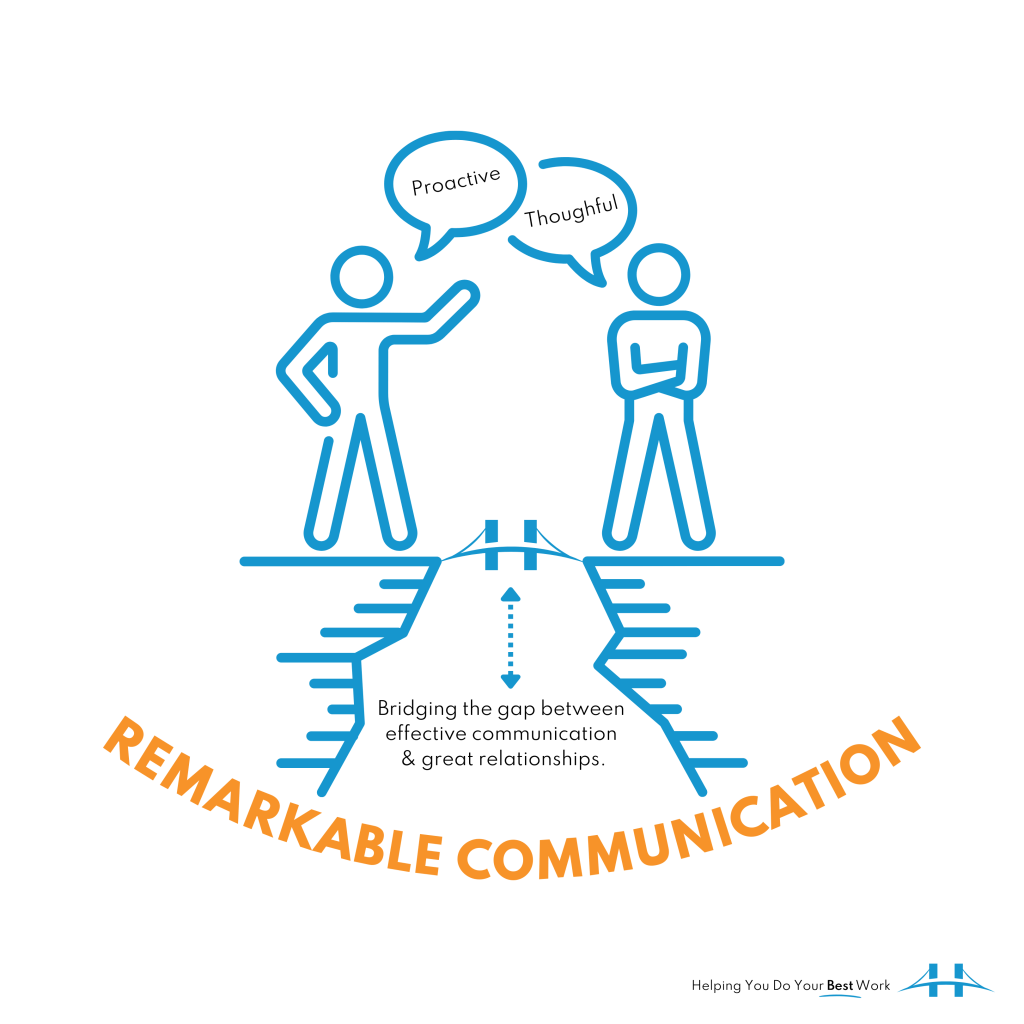
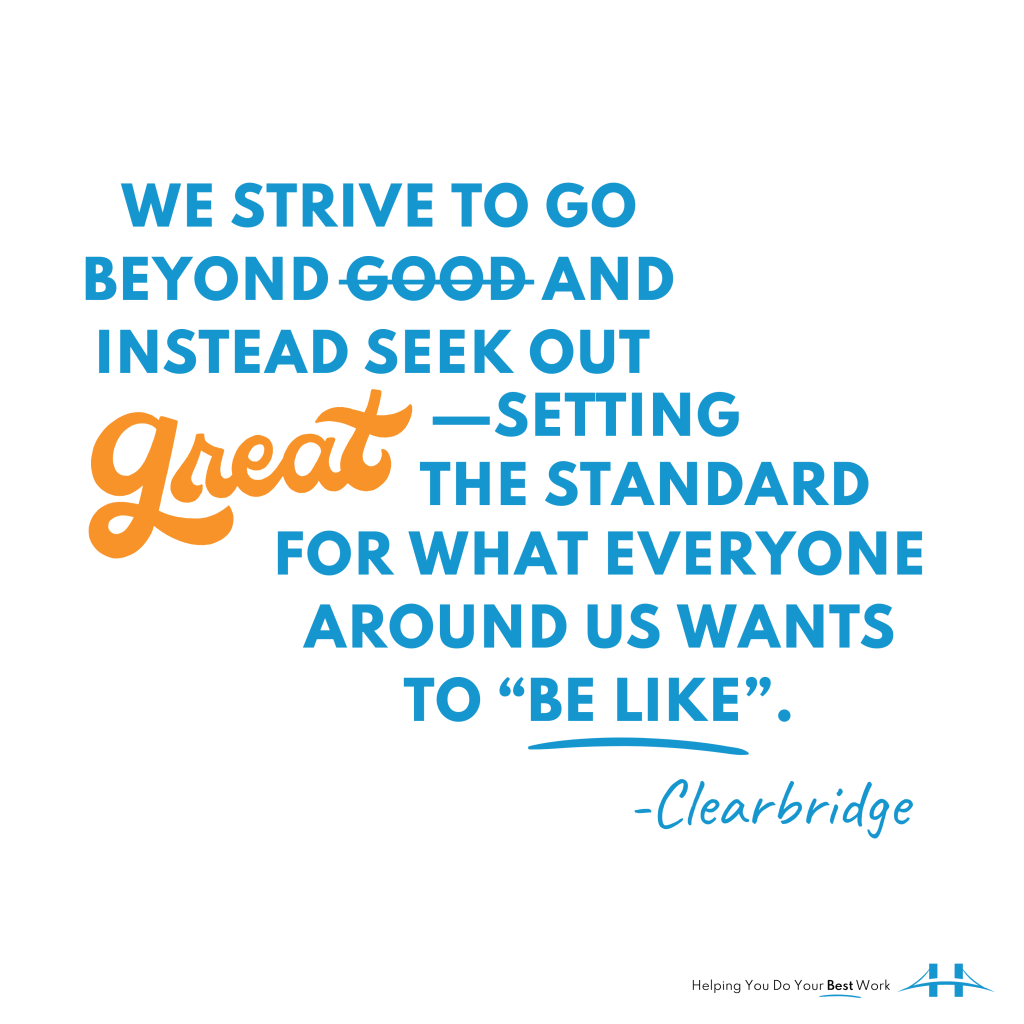
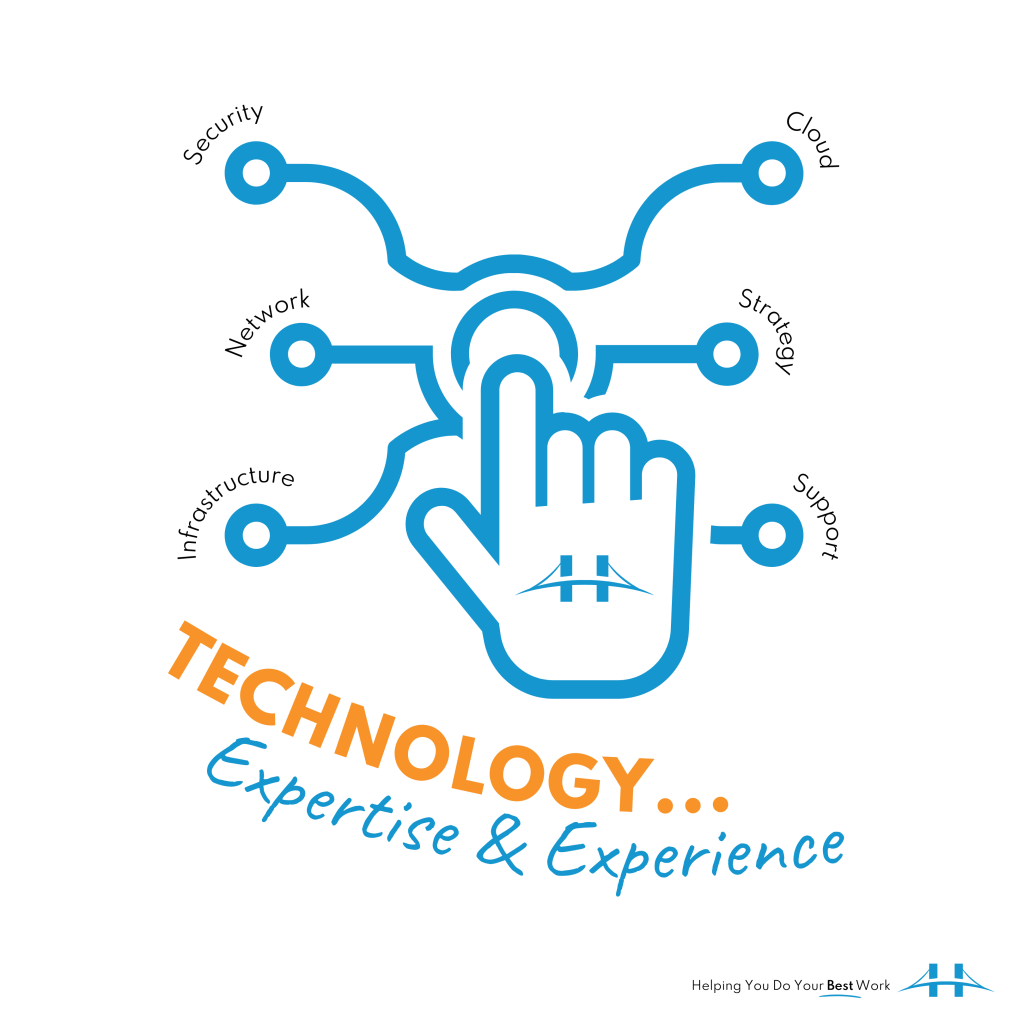
Infographics are a great example of this type of communication. Well done work leaves me breathless (in a good way). So, to jump right into it, here are some things to consider when creating powerful infographics.
An infographic (information graphic) is a representation of information in a graphic format designed to make the data easily understandable at a glance.
Why do we use them?
Infographics are a great way to communicate ideas quickly and effectively. They help to simplify the process of presenting a message or data and help to establish connections, patterns, and relationships that allow us, as the viewer, to gather specific information.
Anything that’s too wordy, difficult to understand, or mind-numbingly full of roundabout detail. And it’s not about getting a quick fix. Some of us—me on occasion—enjoy digesting a mouthful of words. Still, no one can deny that pictures make everything easier to take in!
In 2019, 74% of marketing content contained a visual element. That’s not surprising, considering a whopping 90% of all information transmitted to the brain is visual.
Leaving us to believe that when you come across visually appealing content, you are much more likely to retain it. You might even share it with someone else after you’ve frolicked in its delight.
Taking inspiration from that which is shareable is also a thing.
I often create based on how much I liked LOVED something. I am graphically illuminated so much easier these days with all the impressive infographics to learn from!
They’re important, guys, for so many different reasons. But to summarize—infographics are important because they help us tell a story in a way that’s accessible to our audience.
Just the words below will let you know why.
Words that your infographics should be –
What’s the blox. way to create infographics?
Follow these steps:
1 – Find an appropriate ‘chunk’ of content you would like to translate pictorially, or that is so dang interesting, it’s already sparking imagery in your head.
2 – Follow your brand guidelines—typeface, colour, spacing, tone etc.
3 – Create to your heart’s content but make sure each element flows into the next. Continuity is critical, or you risk altering the message or even worse, spreading an inconsistent idea.
4 – Aim to make your infographics attention-grabbing and playful. People are much more likely to engage if they’re looking at something that incites positive emotion.
5 – Incorporate text carefully and precisely The text you add should uplift and reinforce your main message. Make sure it supports the imagery you are using!
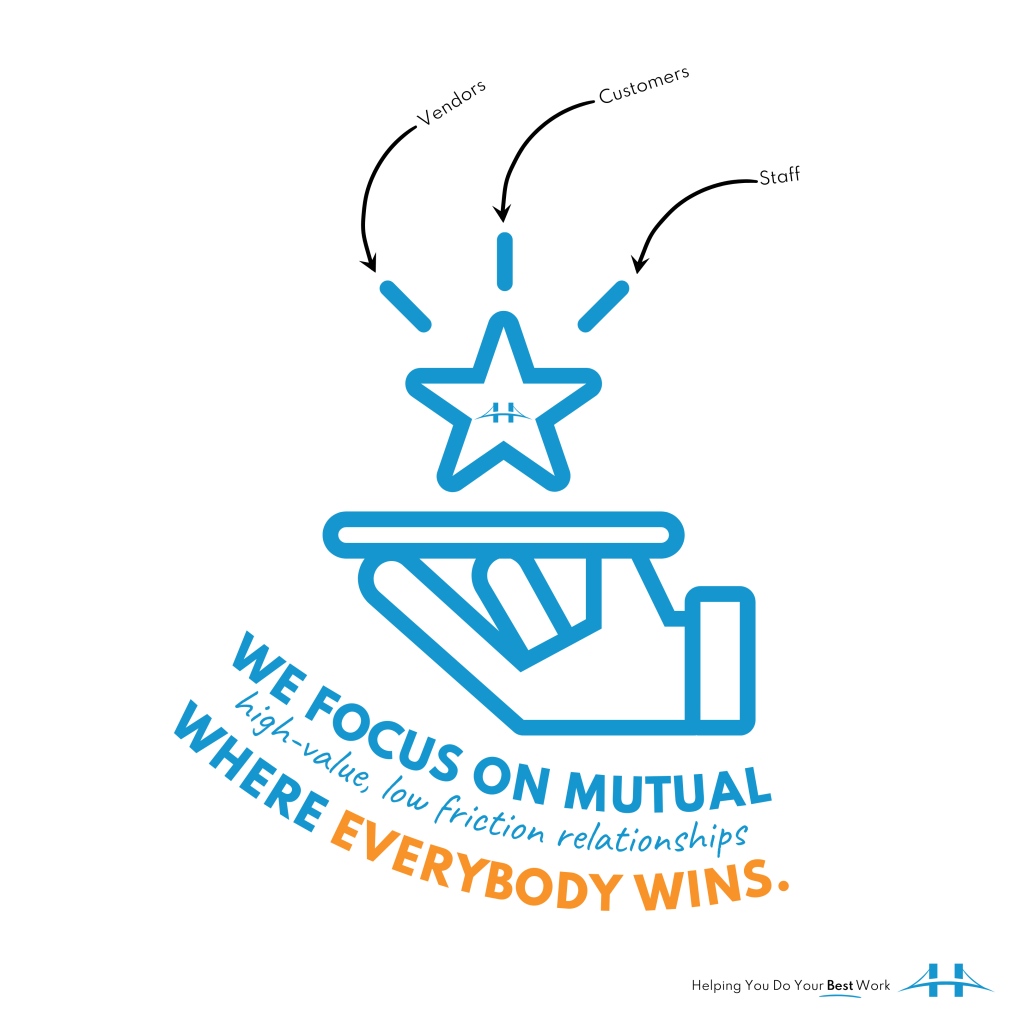
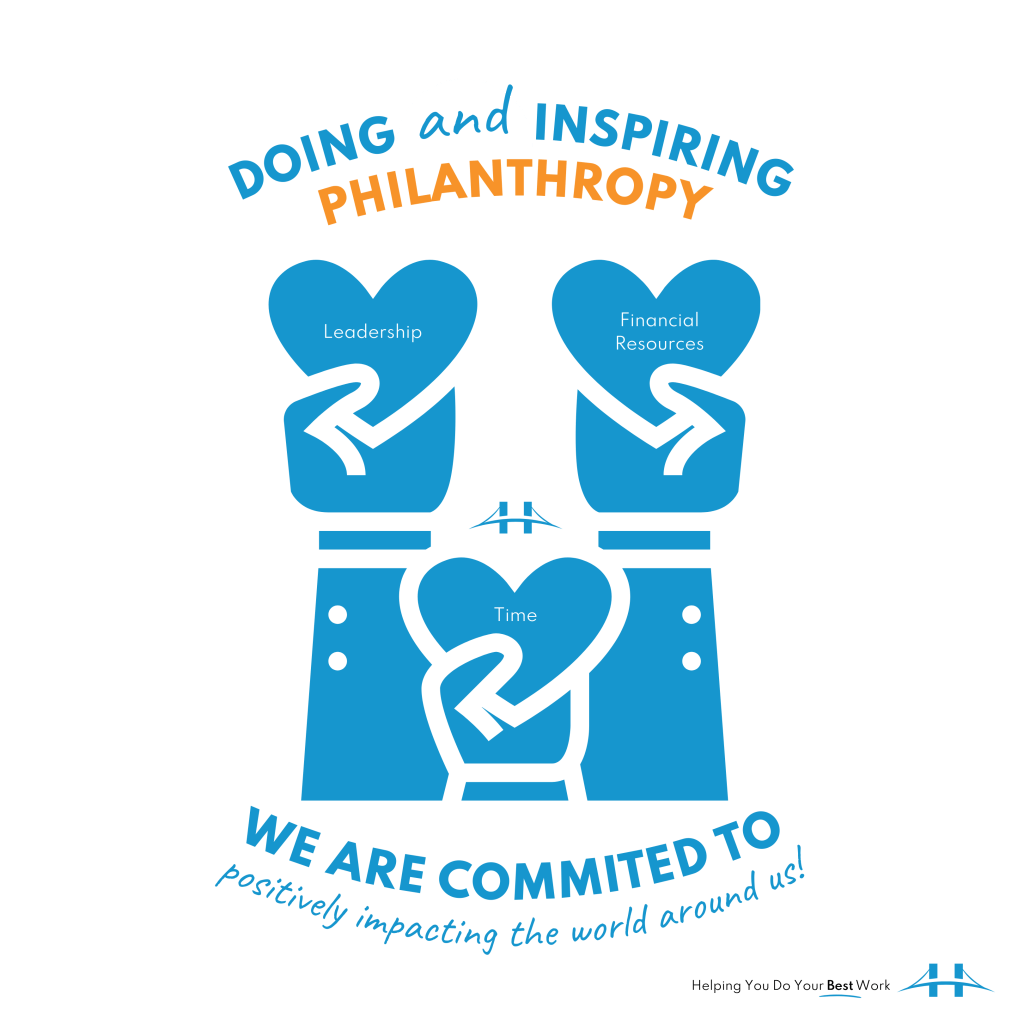
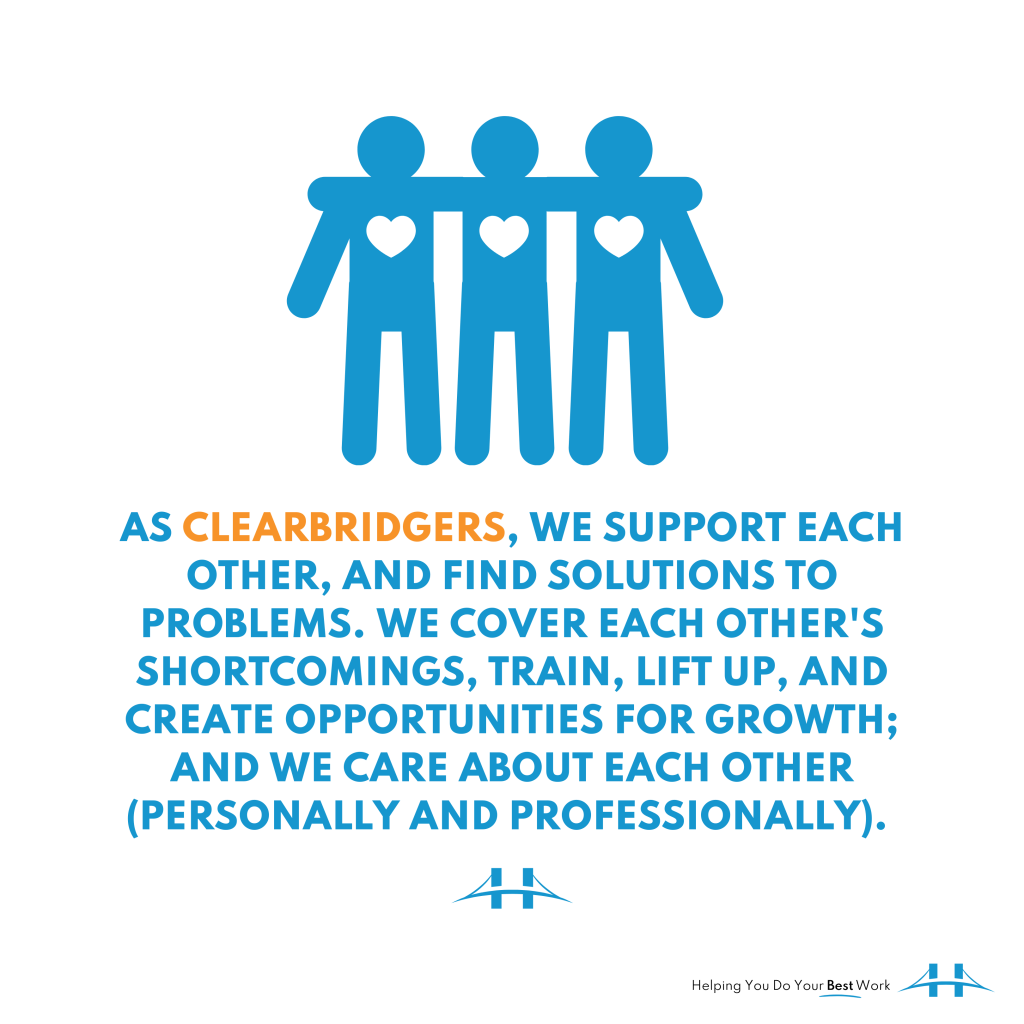
I am so excited to share these because designing them was such an enjoyable experience. I feel like I achieved what I was going after—visually describing our work and what we want to be known for (our #bestwork). I hope you like them! If you have any suggestions for modifications, let me know, I am always happy to make things #better!
Yearning for more design content? Check out these blog posts:
I’m no design wizard, but I have an eye for harmony and style!
These images were created as draft ads for a publication. They are not final but simply an example of my design strategy at work.
What strategy is that, you ask?
Well, for a multitude of reasons, there is always a small group of work that stands the test of time. I hold on to these works, for I know they will come in handy later.
And so, I found some old designs used to create our persona project Facebook ads and decided (ever-so-decidedly) that they were appropriate to appropriate (see what I did there) for this particular task.
So alas, using my trusted canvas called Canva, I copied the design in the new dimensions and spent about 2 hours iterating upon iteration, if that could be a thing!
So, what are your thoughts? Which one speaks to you the most? Which one do you think the team went with? Let me know!
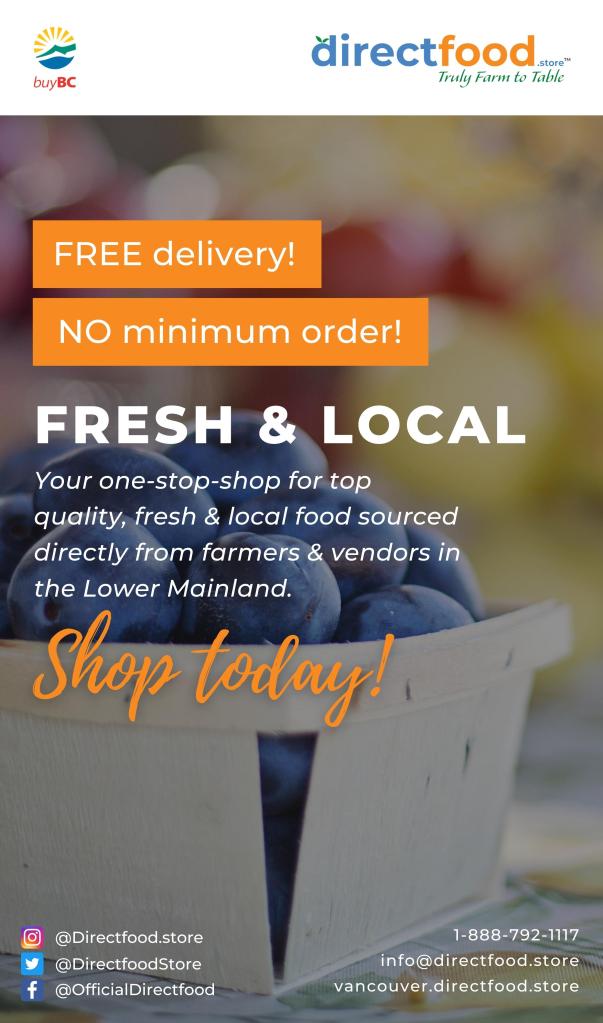
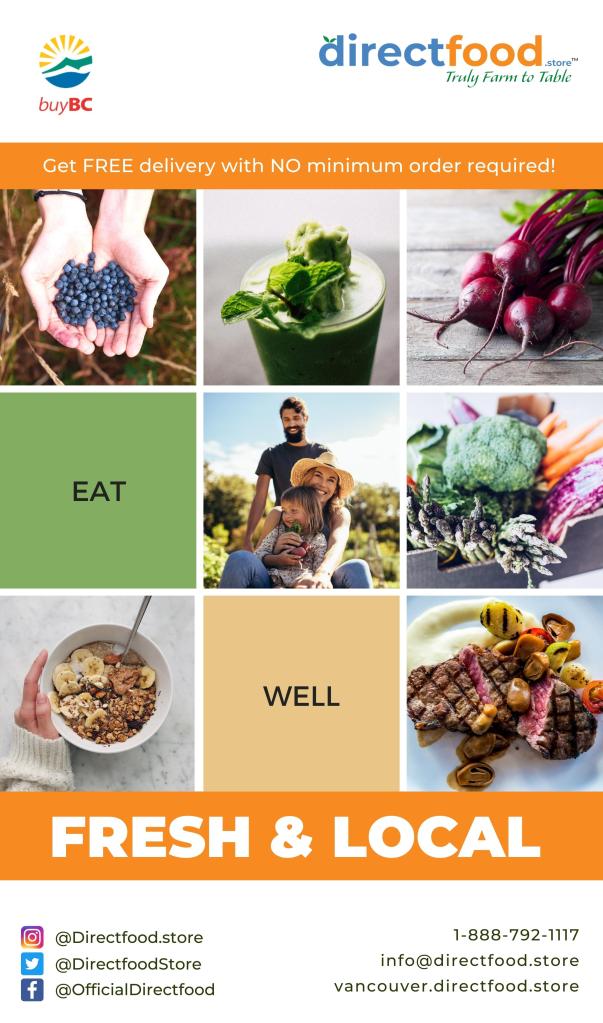
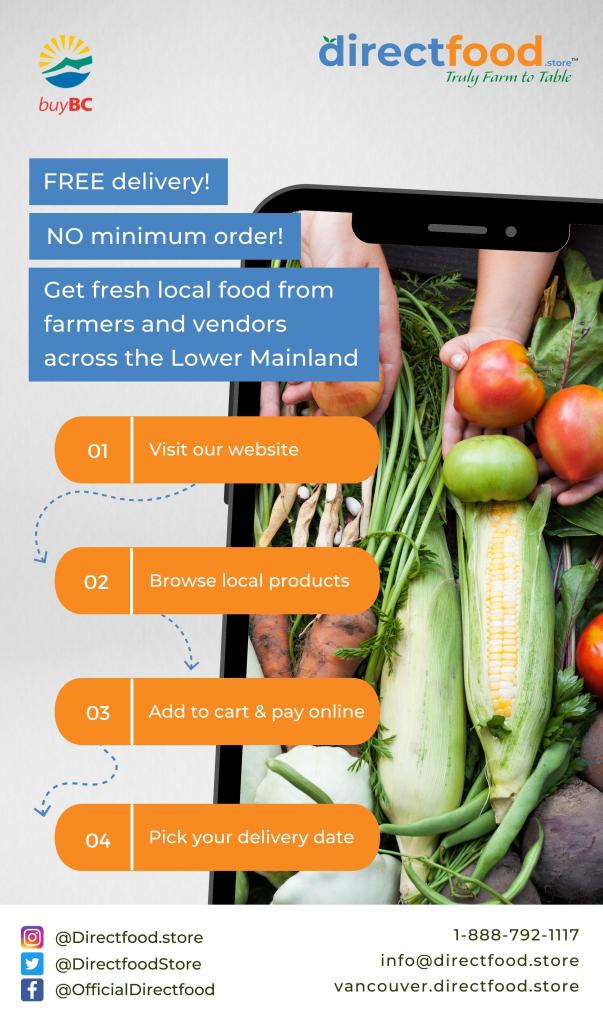
A great campaign is built on a solid concept. It can stir our emotions and set our souls free to dream. Recently, I had the opportunity to put together a Valentine’s Day video campaign for DirectFood.store. It was a fantastic experience, and I am proud of the output. Here is a little bit more about it.
DirectFood.store is a DTC online grocery store delivery platform that sells fresh, local and organic food from local farmers and vendors to the community. As a brand, DirectFood.store aims to inspire and empower consumers to eat healthily, buy local, and learn more about the farm-to-table concept. Priority is placed on ensuring high-quality products, affordable pricing, and easy ordering, plus free delivery direct to the doorstep.
For this particular campaign, our objectives are:
Increase brand awareness
Connect with our target audience (young, millennial couples and families with kids; age 25-34 / baby boomers drawn to compelling video and who will purchase something based on its value; age 45-64)
Promote interest in our platform and products
Provide entertainment
Create a need for buying local, fresh & organic food from local farmers and vendors with free delivery direct to the doorstep
The campaign features BC blogger and influencer Chelsea Helm. We find her wondering how to impress her Valentine. While pondering an answer, she suddenly thinks of DirectFood.store. She decides to put together a thoughtful and delicious dinner for her partner. The campaign follows Chelsea through her decision-making process. She orders the ingredients, and they arrive at her doorstep. We then capture her preparing a steak and salad, setting the table and signing a Valentine’s day card. Will her Valentine make it in time? Will they be surprised? Ultimately, she shares with the audience that through DirectFood.store, you can make something special for that special someone in your life.
I wanted the advertising tone to be fun, happy, thoughtful, romantic, youthful, and vibrant. Our primary message is that consumers identify with our brand, and our products fit their lifestyle and choices. I think we hit the mark, and best of all, the campaign was completed on brand, on time and on budget. Now to see how it performs as a Facebook ad!
I hope you enjoyed the video. If you have any questions or comments, feel free to reach out!
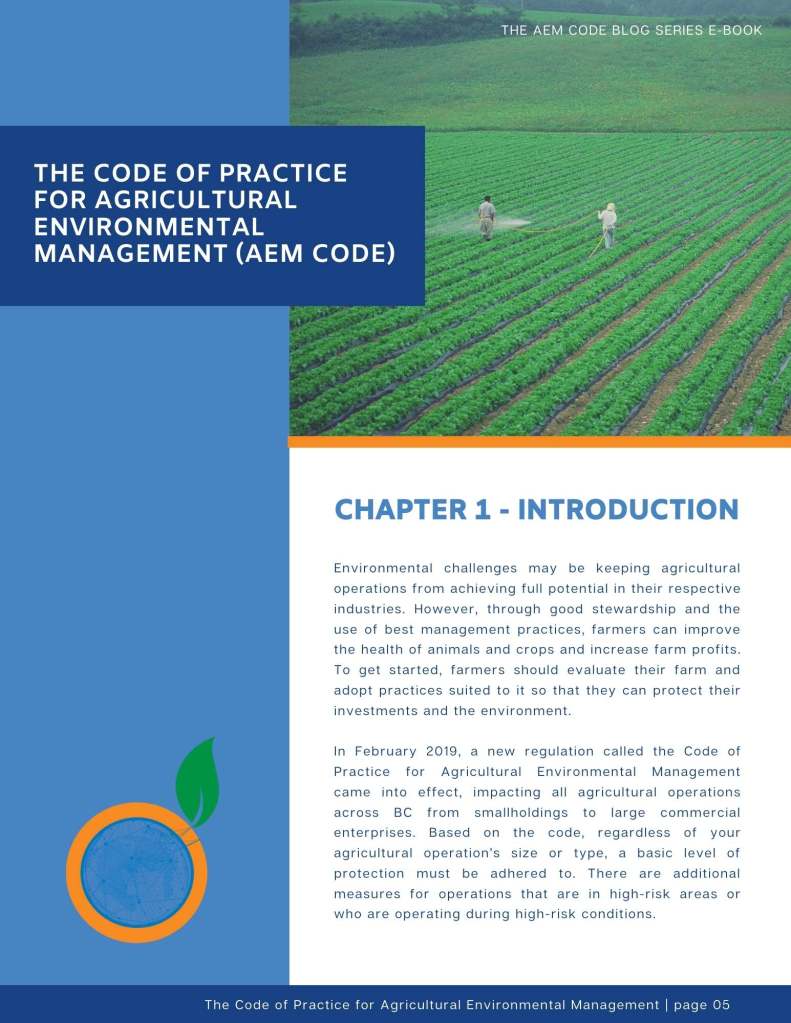
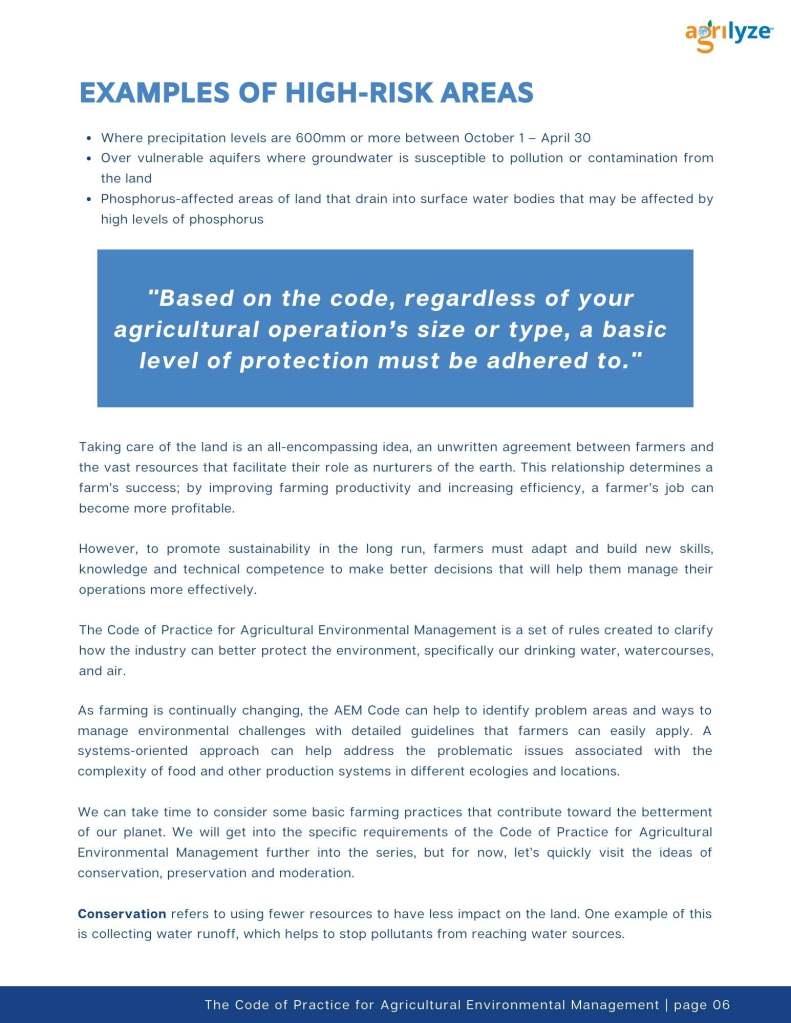
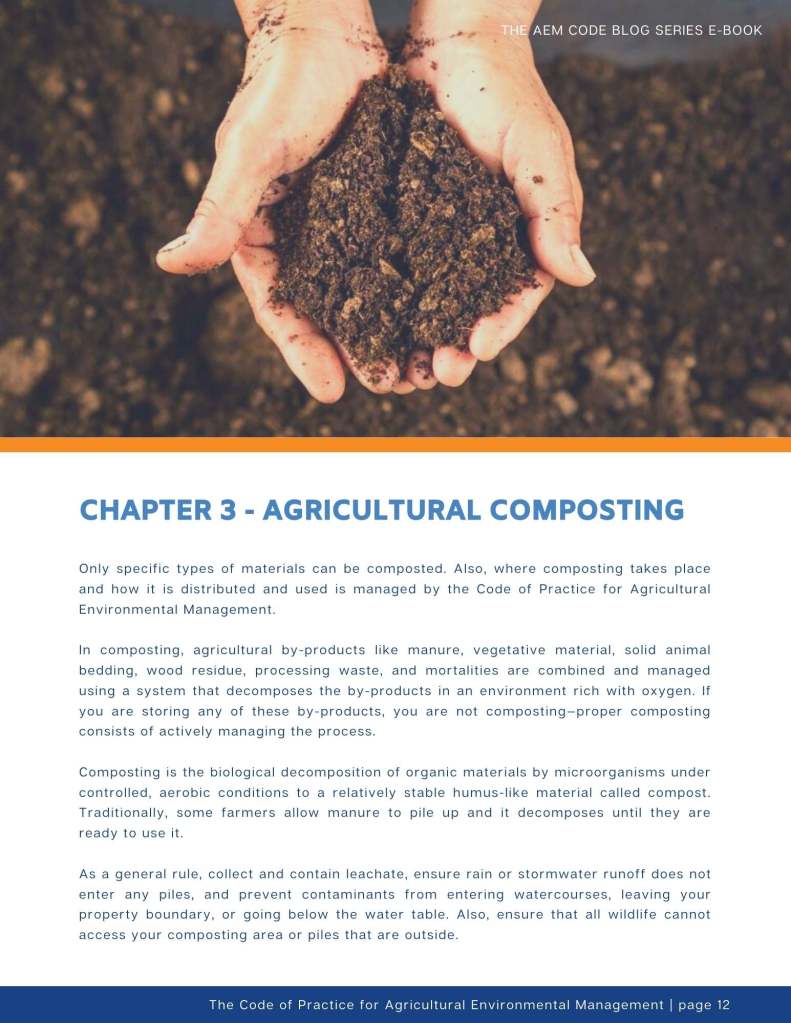
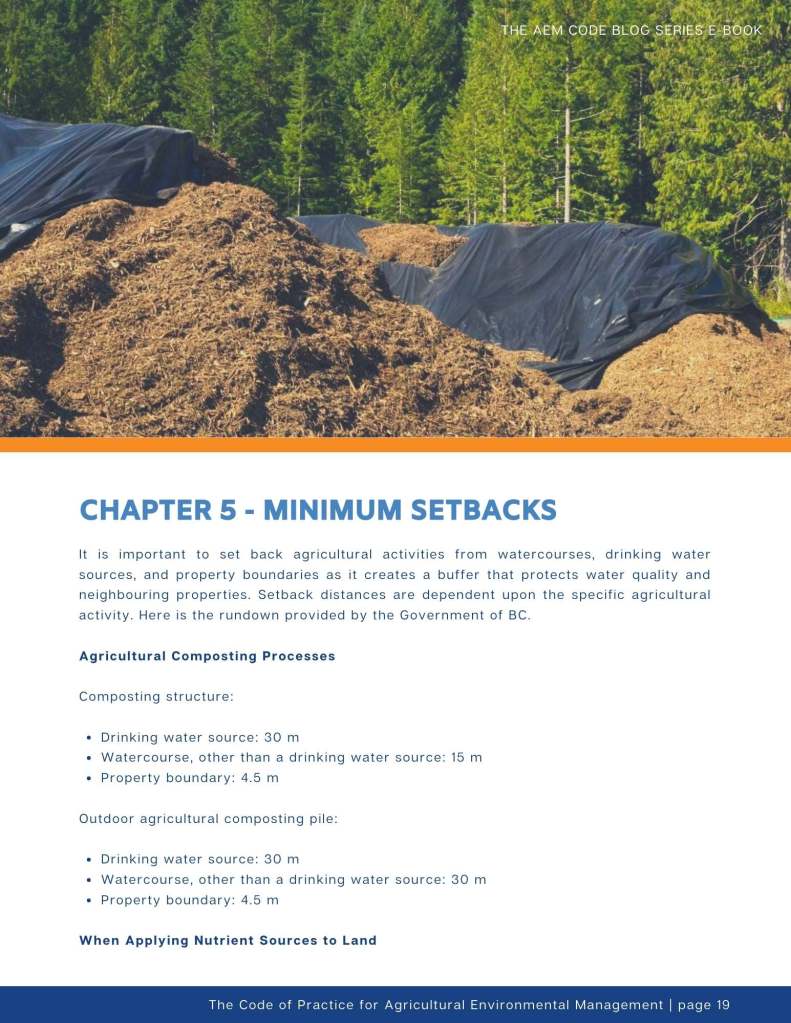
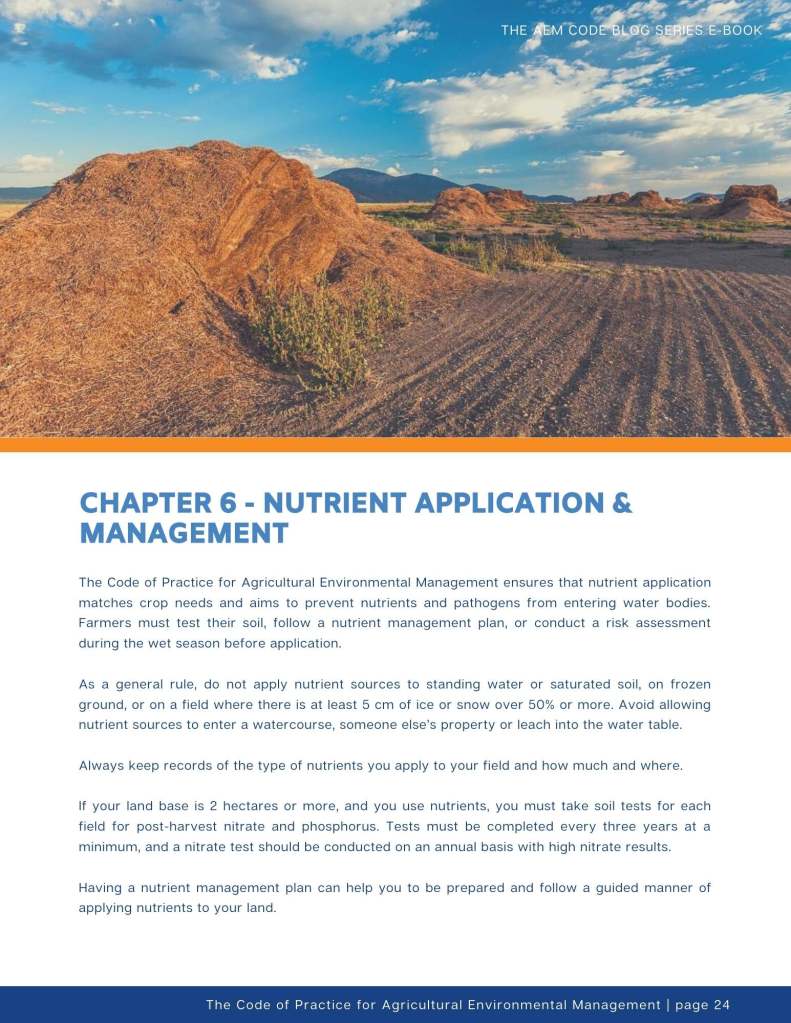
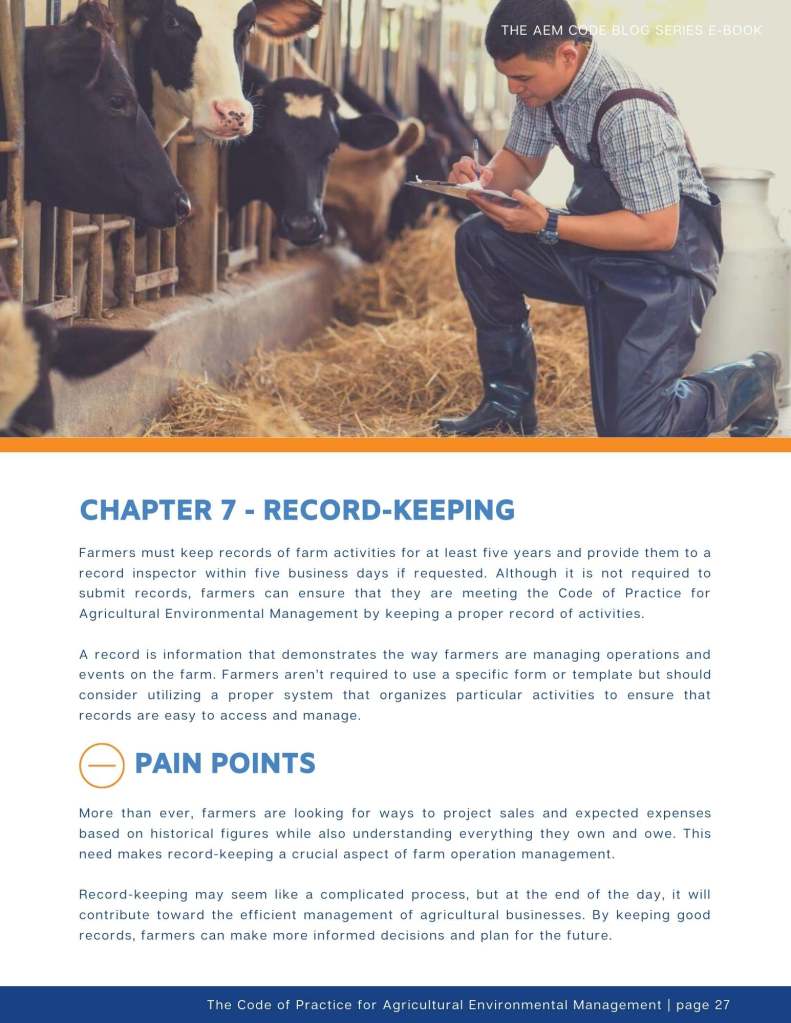
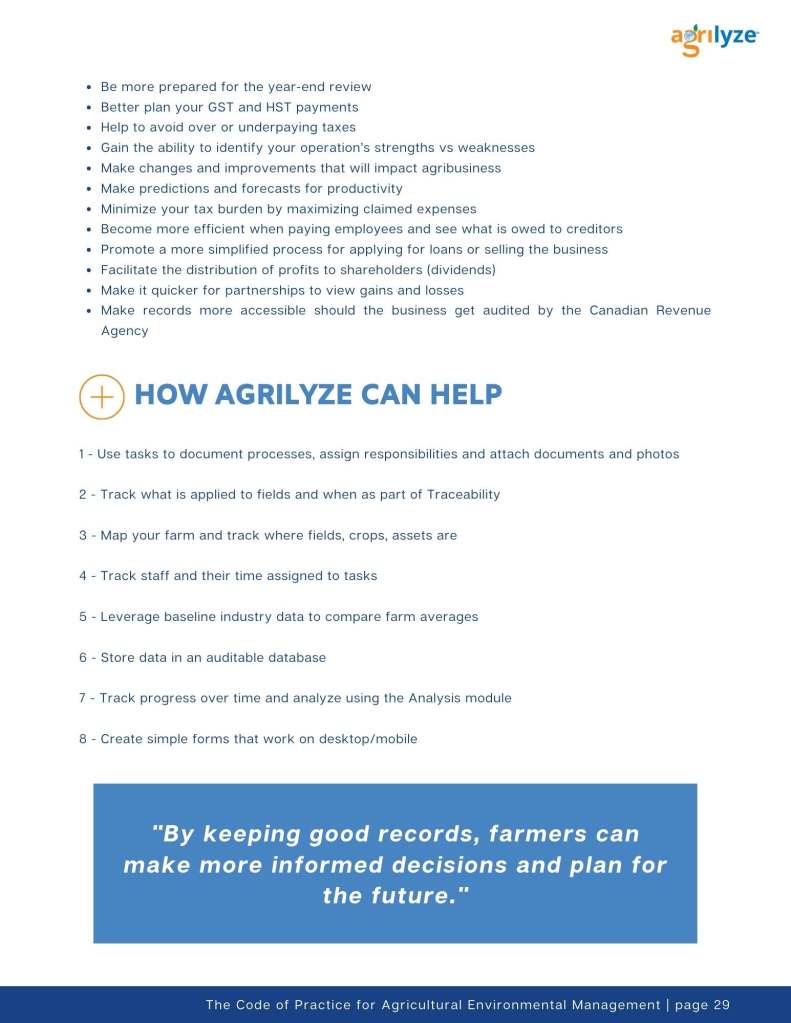
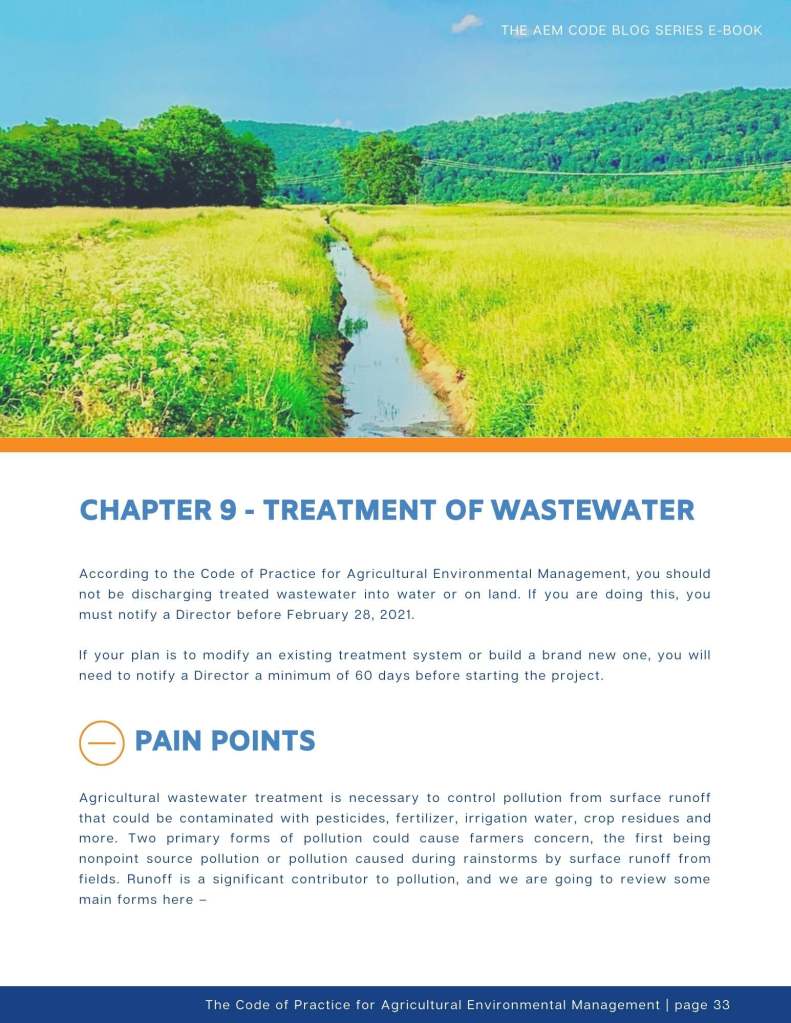
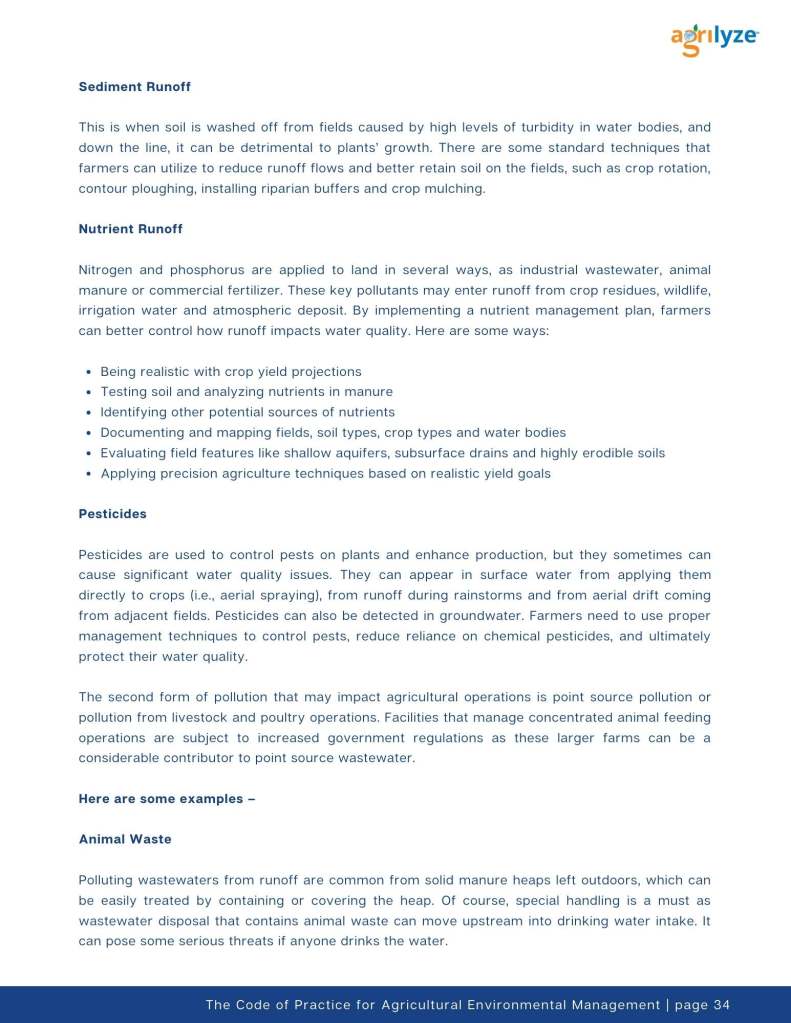
I put together this e-book based on a 10-week blog series I ran for Agrilyze. It covers in great detail the specific requirements of the Code of Practice for Agricultural Environmental Management, which is a set of regulations implemented by the Ministry of Environment and Climate Change Strategy in BC. I hope you enjoy it and as usual, let me know what you think!











































 Blox. is a Creative & Technical Marketer