The Modern Farming Community

How the Fraser Valley’s Modern Farming Community Is Driving the Evolution of AGTech on a Global Scale

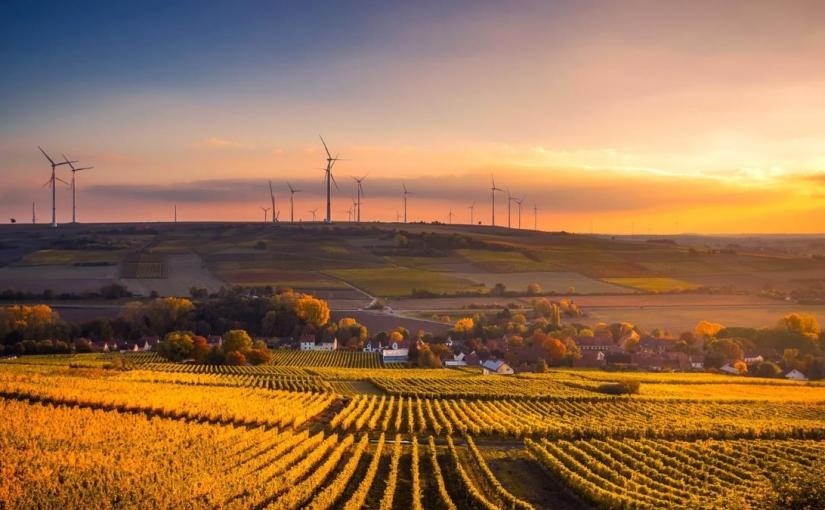
Divided by the Vedder River and Sumas Mountain, the Fraser Valley ranks first in BC’s AG-driven economy with over $1 billion in gross farm income generated every year. As a result, the region is quickly becoming known as the AGTech Capital of Canada. Characterized by a gentler climate in winter months and intensely heated summers, this new title comes as no surprise.

Local farmers are armed with more than ideal growing conditions, terrain, weather, and viable water sources, providing them with the groundwork to grow diverse crops, including many fruits and vegetables in high demand and exported across the globe. Plus, with proximity to educational and research institutions, the region is becoming an epicentre for production and innovation, developing and producing world-class agriculture technology, known as “AGTech”.

For example, homegrown agriculture and food tech companies Agrilyze and DirectFood.store are joining hands to advance the food supply chain and improve food traceability. Since 71% of Canadians say they need to understand where their food comes from, these technological advancements play a huge role in helping the region progress.

Still, looking toward the future, the Fraser Valley faces many challenges, ranging from the seasonality of production to labour costs and supply to globalization and more. And like other farming regions worldwide, one of the biggest dilemmas we have to confront or face dire consequences, climate change.

For this particular reason, the agriculture industry is examining the foundations of farming and re-evaluating traditional methods of planting, collecting, and selling crops. A modern approach has been imminent for decades, and today, as the Fraser Valley leads the way, we are witnessing our paradigm shift. The Modern Farming Community changes our framework, including policies and approaches, to redefine how we acknowledge our conditions as much as changing the tools themselves.

More so focused on building farming systems that create beneficial outcomes, such as increased productivity and positive changes in socio-economic and environmental conditions, the MFC benefits impact farmers directly, not to mention our entire society. The main drivers, in this case, innovation, sustainability, and reliability are helping to transform the agriculture industry one step at a time.

The transformation includes sharing our successes and encouraging those with access to technology to consider developing stronger, smarter, and more advanced processes that also go beyond our regular expectations. Simply “do more with less” and ensure our actions lead to a reduced negative impact on our planet.

Our mission then is to continue to deliver real and sustainable technology solutions that will empower our people and planet on a local scale to make a global impact. The MFC concept is now at the precipice of attention and more relevant than ever as the agriculture industry evolves amidst the current crises and a rapidly growing population.

Farmers today are asking how a more modern approach can and will create substantial change, change that will protect and enrich the soil, reduce water needs, and decrease energy costs, just to name a few aspects. And connected to this, knowledge has become a considerable part of the bigger picture. Yet, we are still enthralled by our romantic vision of the traditional farmer, wheat in the mouth, tractor driving into the sunset.

Nevertheless, the picture has become much more significant. It is now comprised of a repository of technologies, ranging from drones, robotics, vertical farming operations, GIS, and GPS to the application of AI, machine learning systems, and more. Our farmers and others worldwide are using AGTech to help overcome new barriers or obstacles concerning productivity and the overall efficiency of their land.

The onset of the AGTech movement or our Modern Farming Community is giving our farmers a choice – intensify innovative, sustainable, and reliable practices that enable more intelligent, precision technologies or face the fate of the worldwide population rising to 9 billion by 2050.

As the Fraser Valley’s farming community evolves, newer methods are being used to optimize farm output. This includes adopting modern technologies that save time and costs. And as we develop more answers and solutions, the question becomes – how can we amalgamate the MFC fundamentals (innovation, sustainability, and reliability) with pure, actionable knowledge to continue to drive the changes that we see today?

Without a doubt, technology has become the baseline allowing us to meet our current and future needs for food, fibre, feed, and fuel. Our Modern Farming Community is the beginning of our examination. We must recognize the state of our planet and invest in developing new technologies to confront our challenges head-on and headstrong, causing a ripple effect of change.

So, unleash the power of AGTech to solve some of the world’s biggest problems? Yes, indeed. After all, we are now relying on agricultural innovations to increase the production of major crops – why wouldn’t we use it to help define a whole new planet? The pursuit starts right here, in the Fraser Valley, the AGTech Capital of Canada.


Self-Portrait 2021

Self-portrait August 2021 Chona Fe Canlas Blox Communications

“‘Oh, how I wish I could shut up like a telescope! I think I could, if only I knew how to begin.’ ‘For, you see, so many out-of-the-way things had happened lately, that Alice had begun to think that very few things indeed were really impossible.‘” – Alice In Wonderland

What happens when you lose your voice? You must force yourself to speak out loud, to as many people as possible. So often do I long to stand quietly and watch, blinking slowly at each word that exits from his mouth.

Then back to my mouth the words come again – you must speak to be free; you must believe and recount everything good that is happening. Because is it no longer impossible. It is not impossible, it is coming.

How Ad Imagery Could Translate Into Product Packaging

The stack of magazines was impressive. Elle, Vogue, Architectural Digest, Bon Appetit and People. As a 13-year old, I just wanted to fixate and rip, fixate and rip, fixate and rip. Slowly, I was adding to my expanding wall collection, and I was proud. How were the ‘best’ images selected, and what made them ‘iconic’? What mattered to me at the time—creativity, originality, colour, composition—made it onto my closet doors, locker and school binder clear insert. If I could think of these images in my sleep, they became iconic. I will never forget one in particular. The triangular red and white logo juxtaposed against a black and white photograph of a girl pouting while a man anticipates… 

What intrigues us about this image? Almost instantly, we find ourselves peering in, linked to the experience. We sense she is in the wrong place; however, we do not feel that she does not belong or would rather be elsewhere. Time and space are interrupted. We ask ourselves, “Will it occur?” But the chain of events does not matter. What matters is that we are suspended in a rare and captivating moment. And because the image is black and white, we are transported to the exact scene where the ‘film’ unravels. Then the bold red of the typeface and the logo bring us back to life, and we are suddenly alive; the advertisement has won us over…without a guess!

If we know that people can impact an ad’s efficacy, should we consider using people on food packaging? Could we use the interaction between a man and a woman on a coffee bag, for example? In my opinion, yes. Imagine this. A tired corporate executive finds herself standing in a Whole Foods Market. There is no one around. Soft music flutters in and out of her ears. She is standing in the coffee aisle, looking at bags and bags and bags. There’s so much unique packaging, she’s not sure what to choose. But then she sees it—a couple set in black and white. The photograph is beautiful; the packaging seems bound by eternal love as the image wraps fully around the product. It portrays something the executive longs for on a deeper level. “I’ll go for this,” she thinks, grabbing it to pay.

Using people in ad imagery is not a new concept, but could potentially be an innovative idea in the food and beverage domain. We know that ads are geared to make us think and feel. And there’s a whole range of themes emotional ads can trigger, from love to empathy to excitement. I don’t think I’ve ever spent valuable time and money on a product that didn’t trigger an emotion somehow. Even if it may go unrecognized—the power and influence of an emotional experience are unforgettable.

Should packaging portray a feeling using images of people? And if so, what are the most effective ways this can be executed?

How Art on Food Packaging Affects Decision-Making

Oldhand Coffee

Koichi Kiyono

Process

Luna Coffee

DFS Valentine’s Day Campaign

How to Impress My Valentine

A great campaign is built on a solid concept. It can stir our emotions and set our souls free to dream. Recently, I had the opportunity to put together a Valentine’s Day video campaign for DirectFood.store. It was a fantastic experience, and I am proud of the output. Here is a little bit more about it.

DirectFood.store is a DTC online grocery store delivery platform that sells fresh, local and organic food from local farmers and vendors to the community. As a brand, DirectFood.store aims to inspire and empower consumers to eat healthily, buy local, and learn more about the farm-to-table concept. Priority is placed on ensuring high-quality products, affordable pricing, and easy ordering, plus free delivery direct to the doorstep. 

For this particular campaign, our objectives are:

  • Increase brand awareness 
  • Connect with our target audience (young, millennial couples and families with kids; age 25-34 / baby boomers drawn to compelling video and who will purchase something based on its value; age 45-64)
  • Promote interest in our platform and products
  • Provide entertainment
  • Create a need for buying local, fresh & organic food from local farmers and vendors with free delivery direct to the doorstep

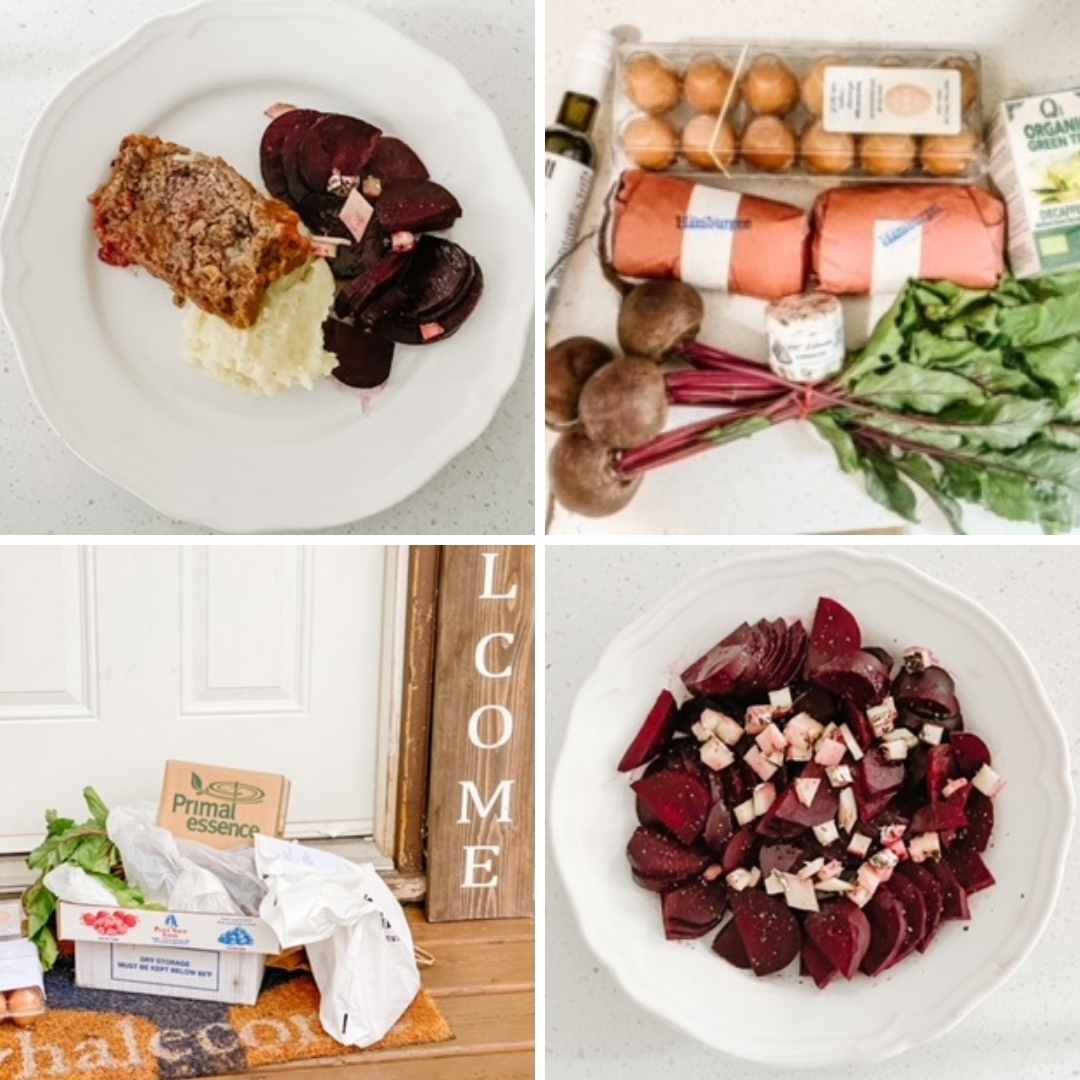
The campaign features BC blogger and influencer Chelsea Helm. We find her wondering how to impress her Valentine. While pondering an answer, she suddenly thinks of DirectFood.store. She decides to put together a thoughtful and delicious dinner for her partner. The campaign follows Chelsea through her decision-making process. She orders the ingredients, and they arrive at her doorstep. We then capture her preparing a steak and salad, setting the table and signing a Valentine’s day card. Will her Valentine make it in time? Will they be surprised? Ultimately, she shares with the audience that through DirectFood.store, you can make something special for that special someone in your life.

I wanted the advertising tone to be fun, happy, thoughtful, romantic, youthful, and vibrant. Our primary message is that consumers identify with our brand, and our products fit their lifestyle and choices. I think we hit the mark, and best of all, the campaign was completed on brand, on time and on budget. Now to see how it performs as a Facebook ad!

I hope you enjoyed the video. If you have any questions or comments, feel free to reach out!

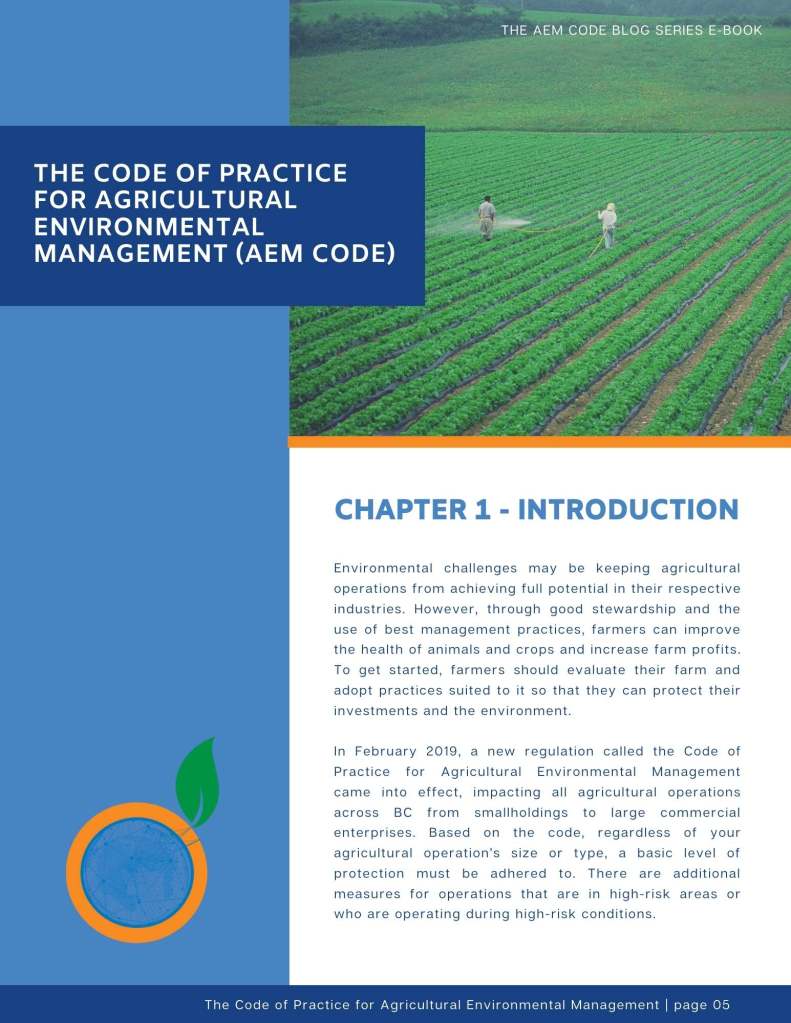
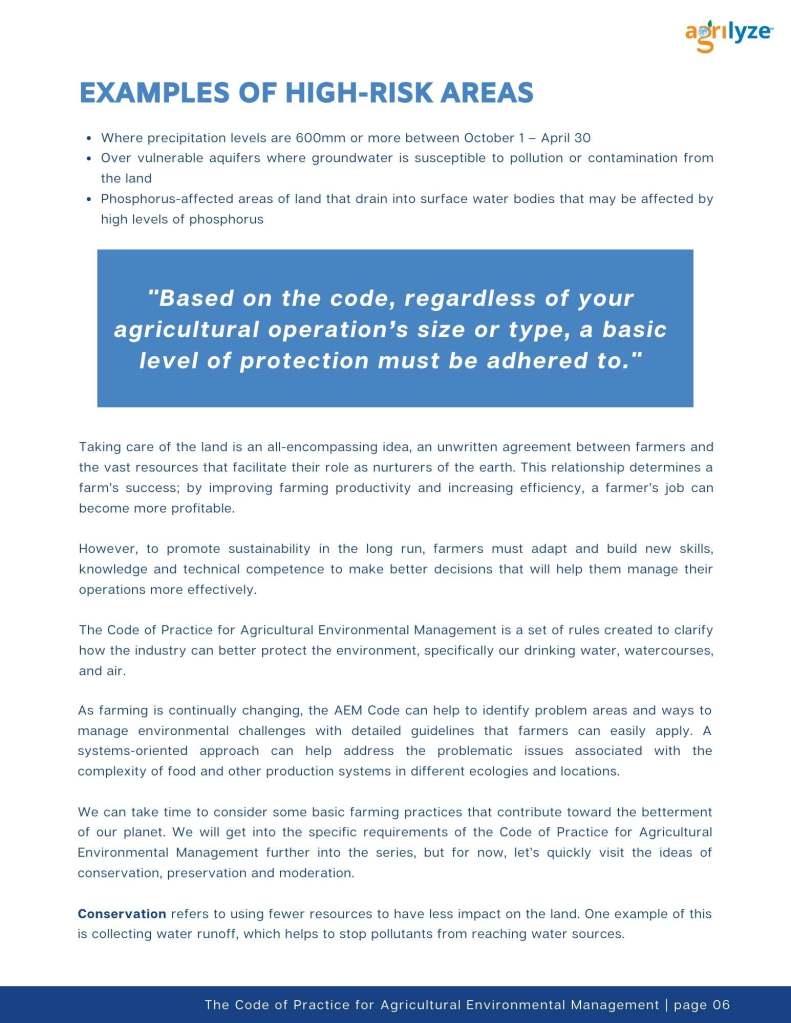
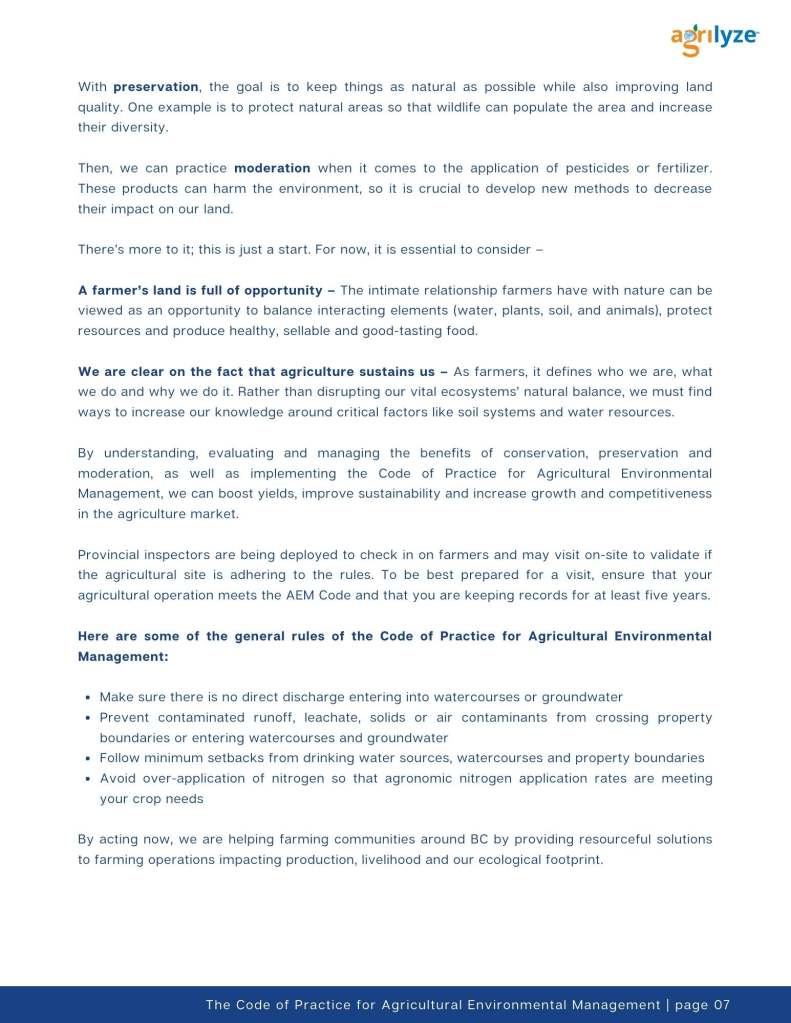
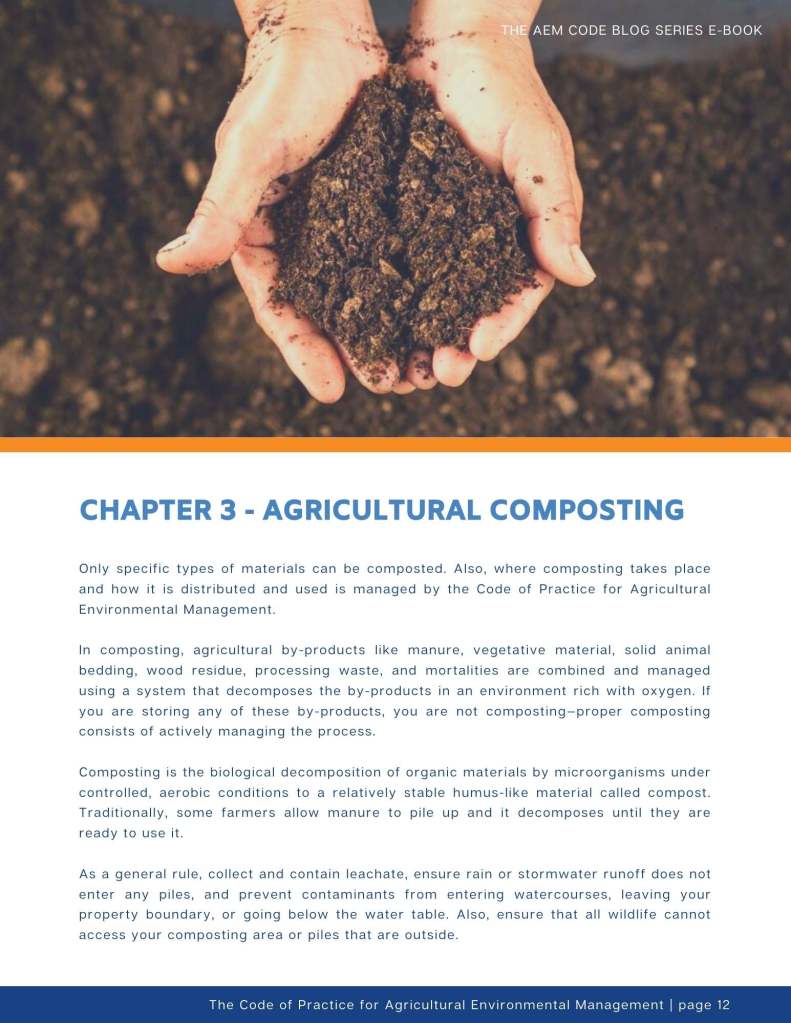
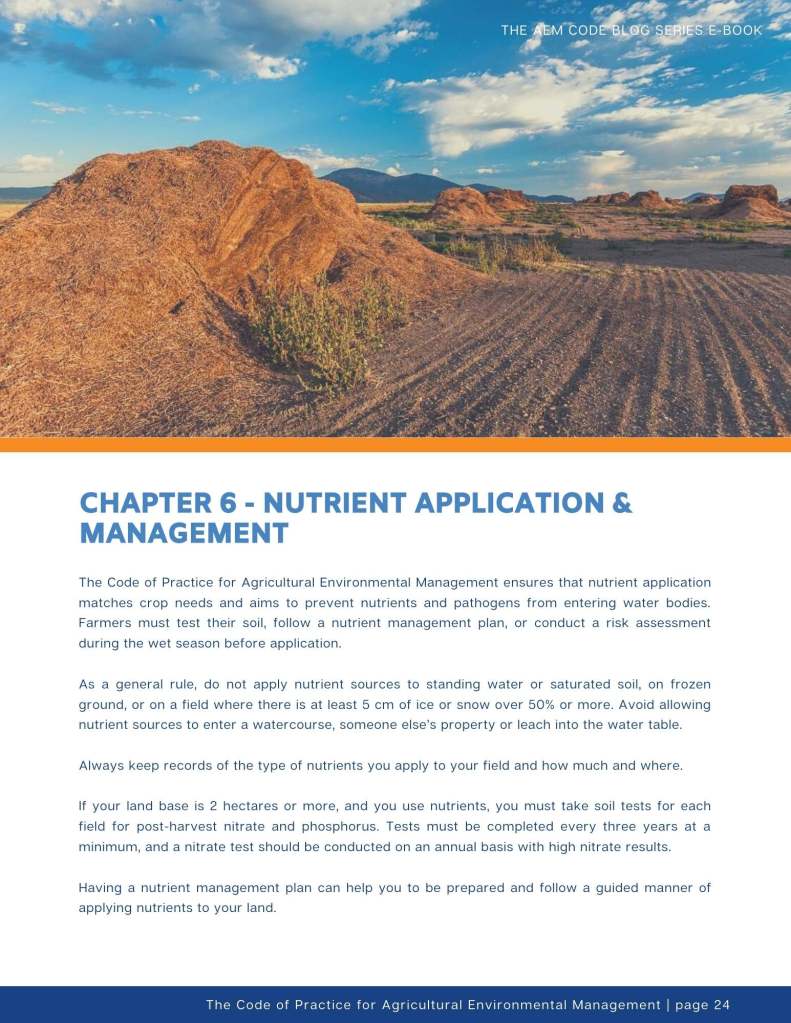
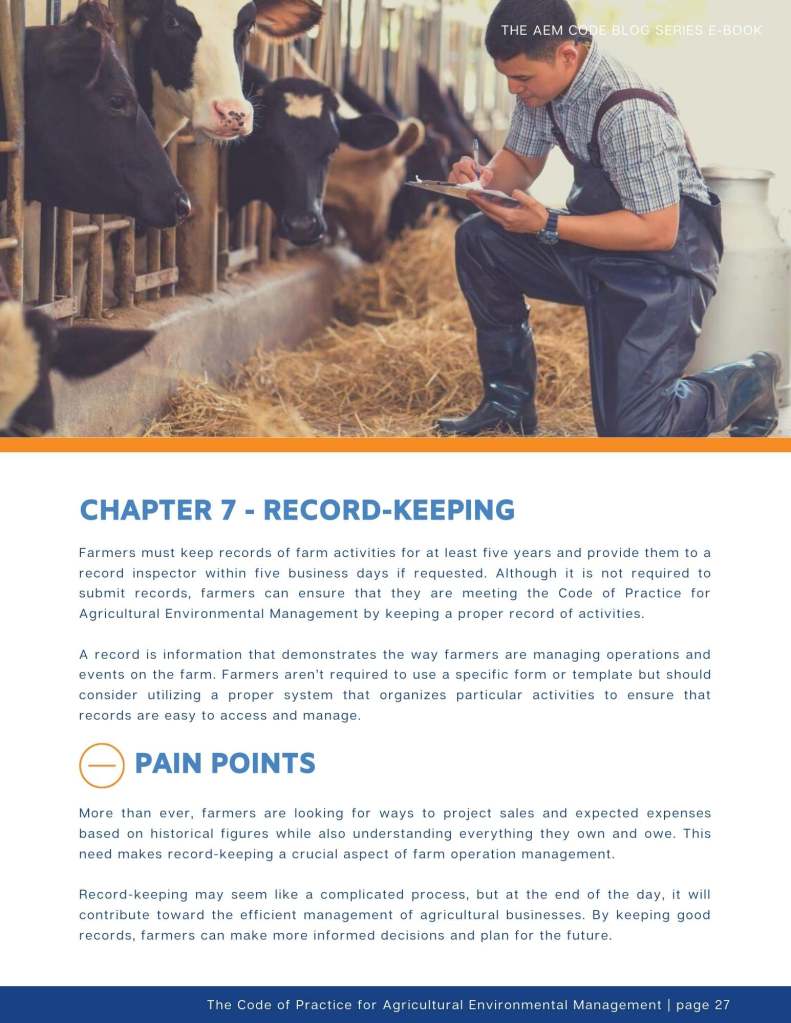
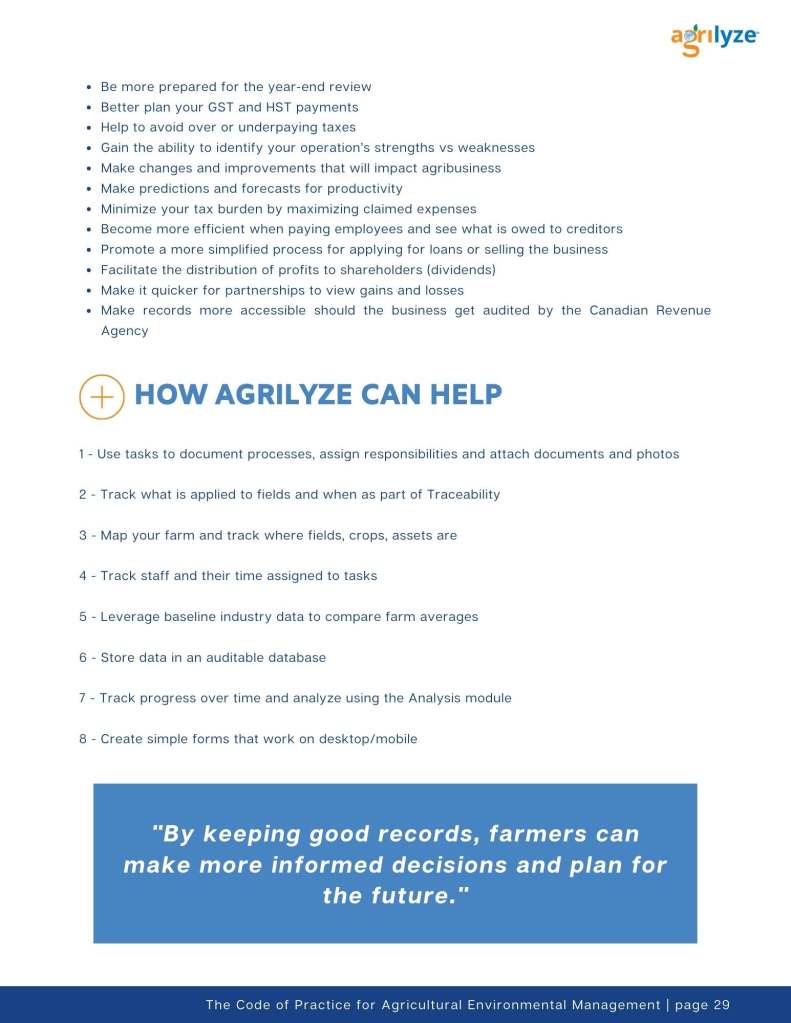
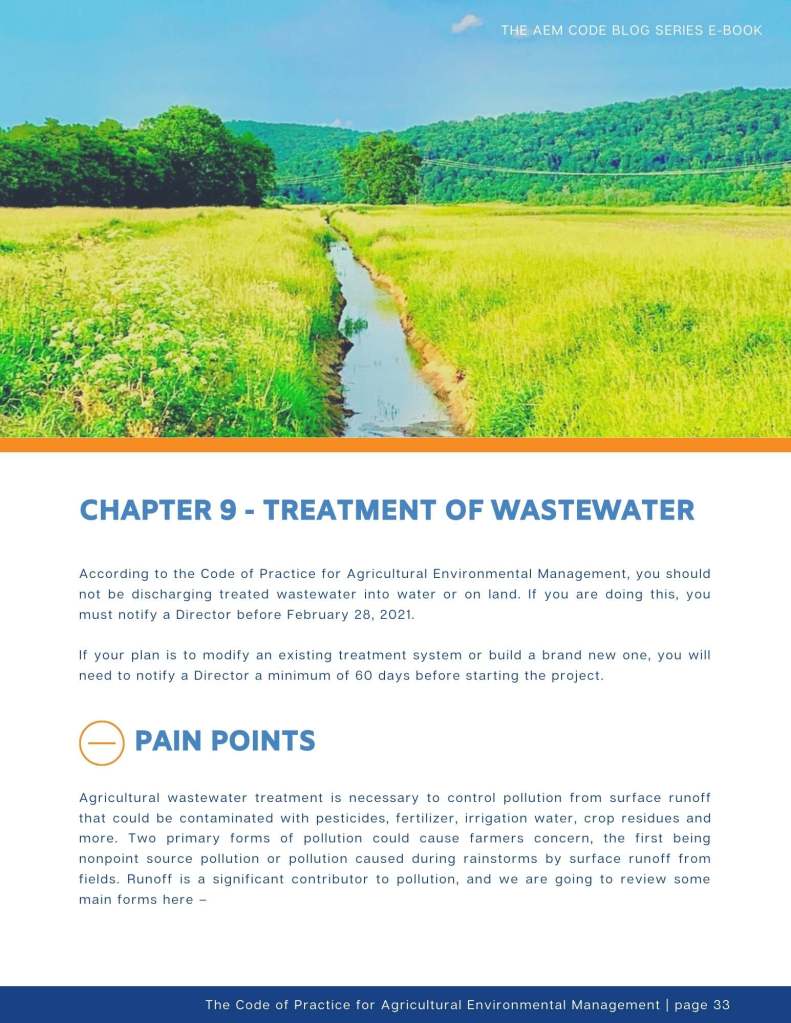
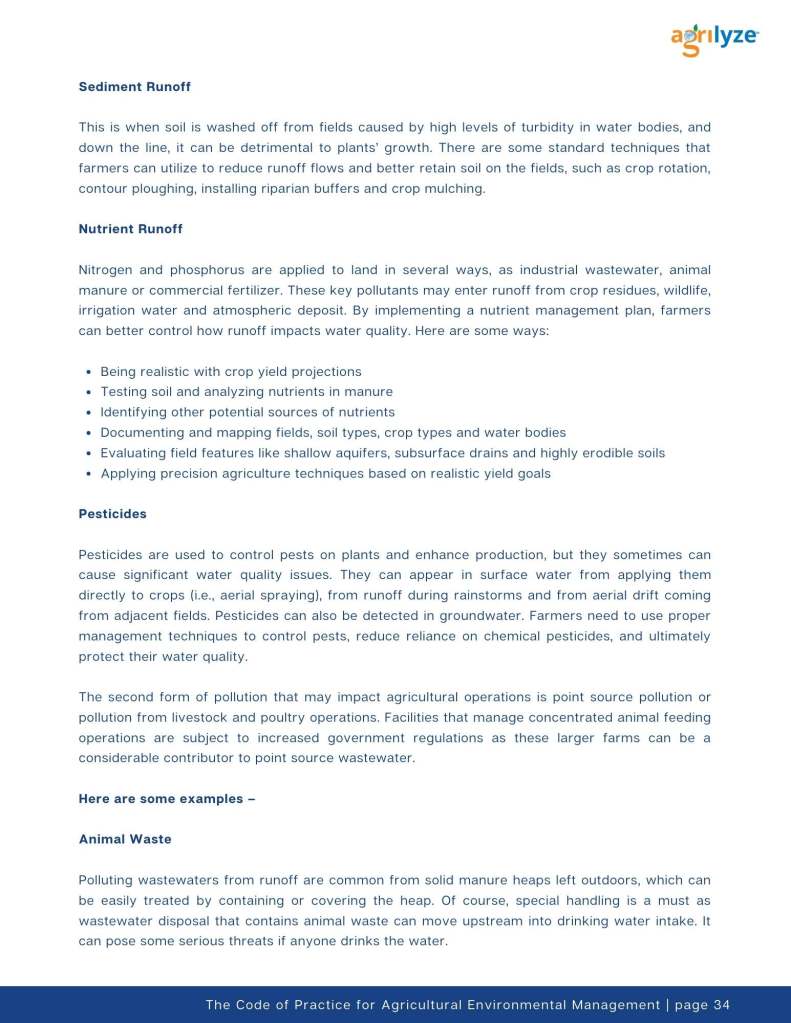
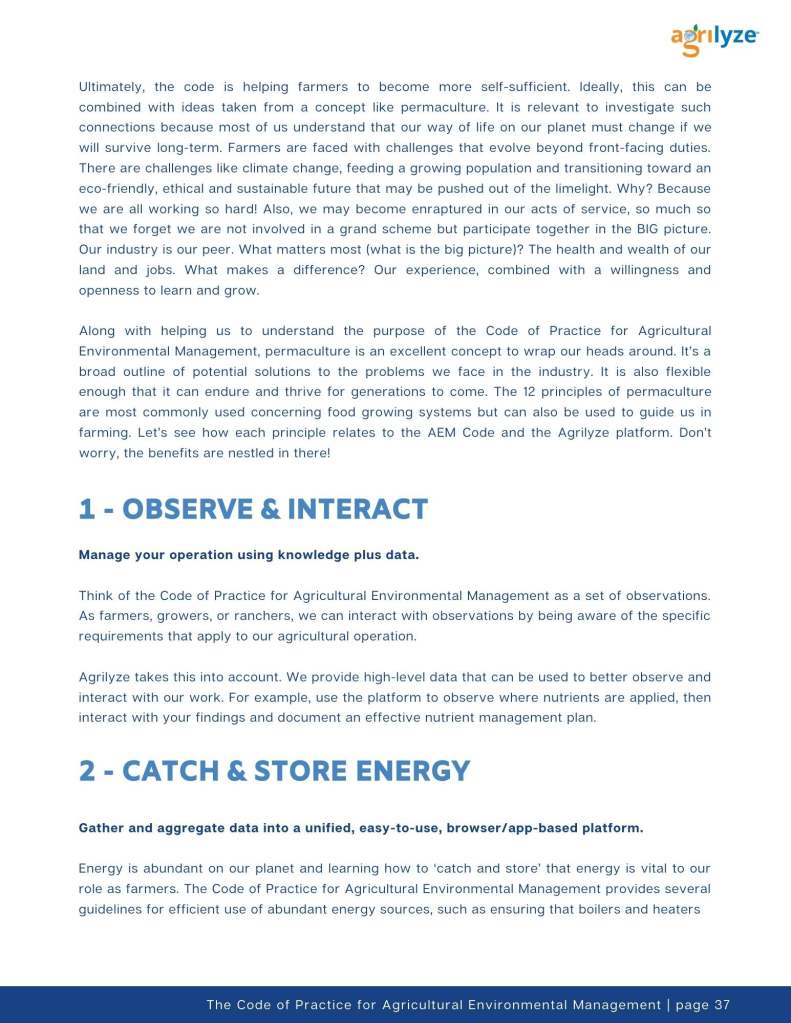
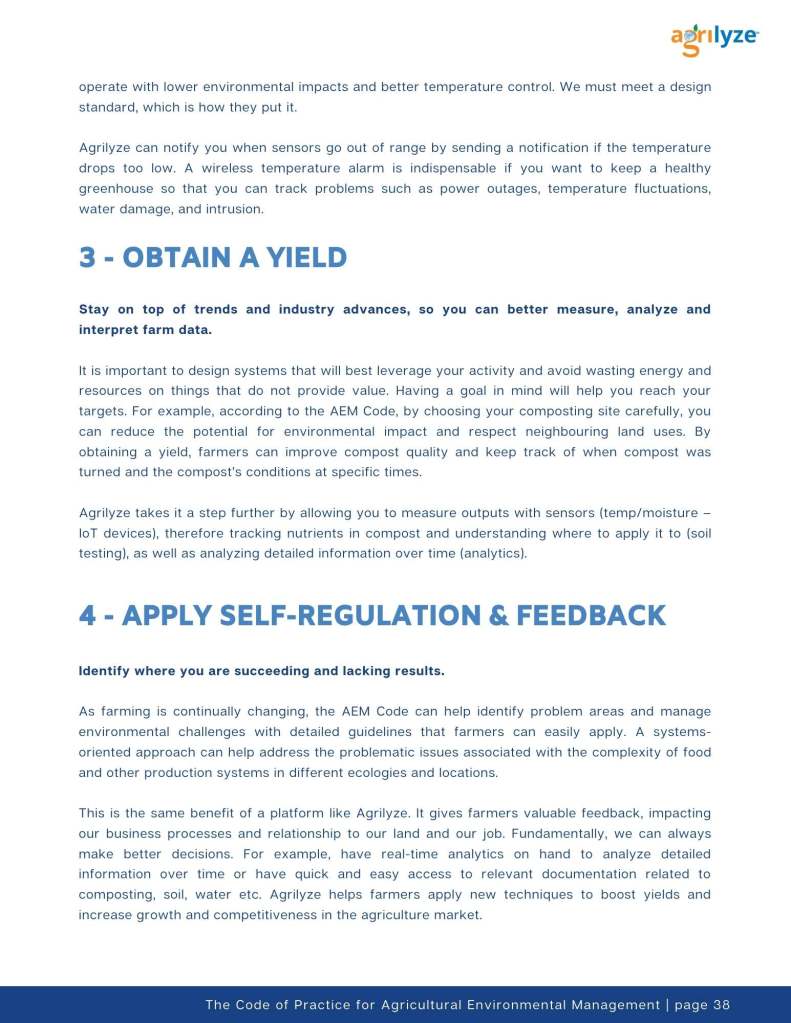
AEM Code E-Book

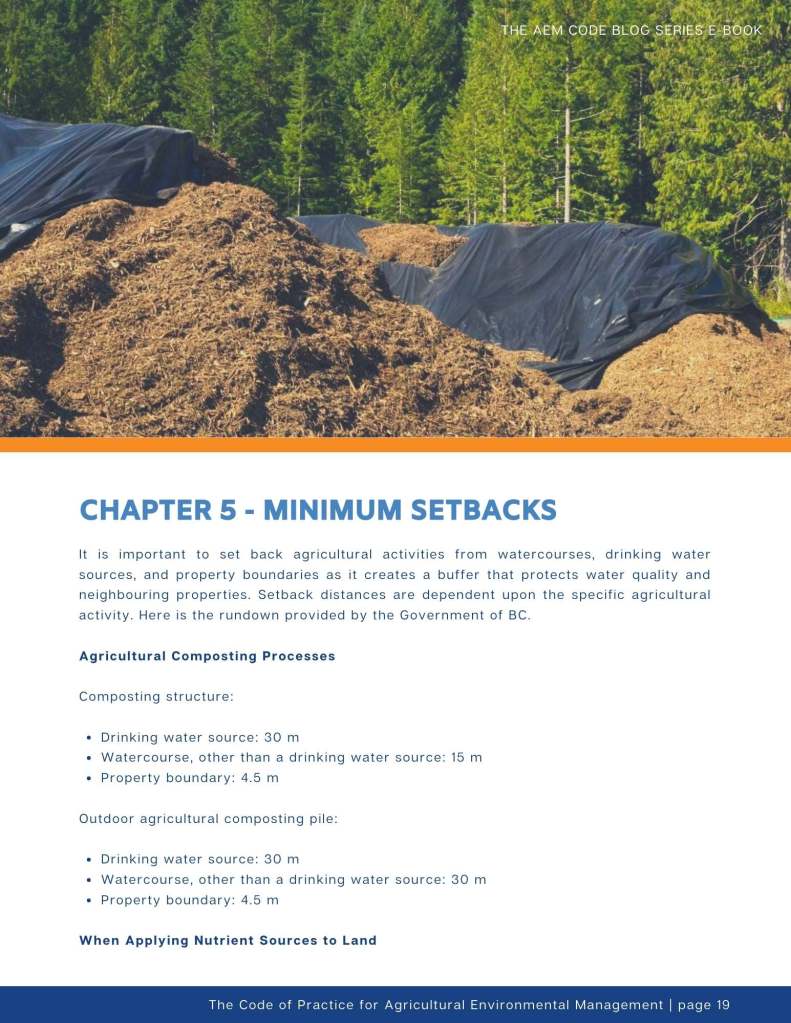
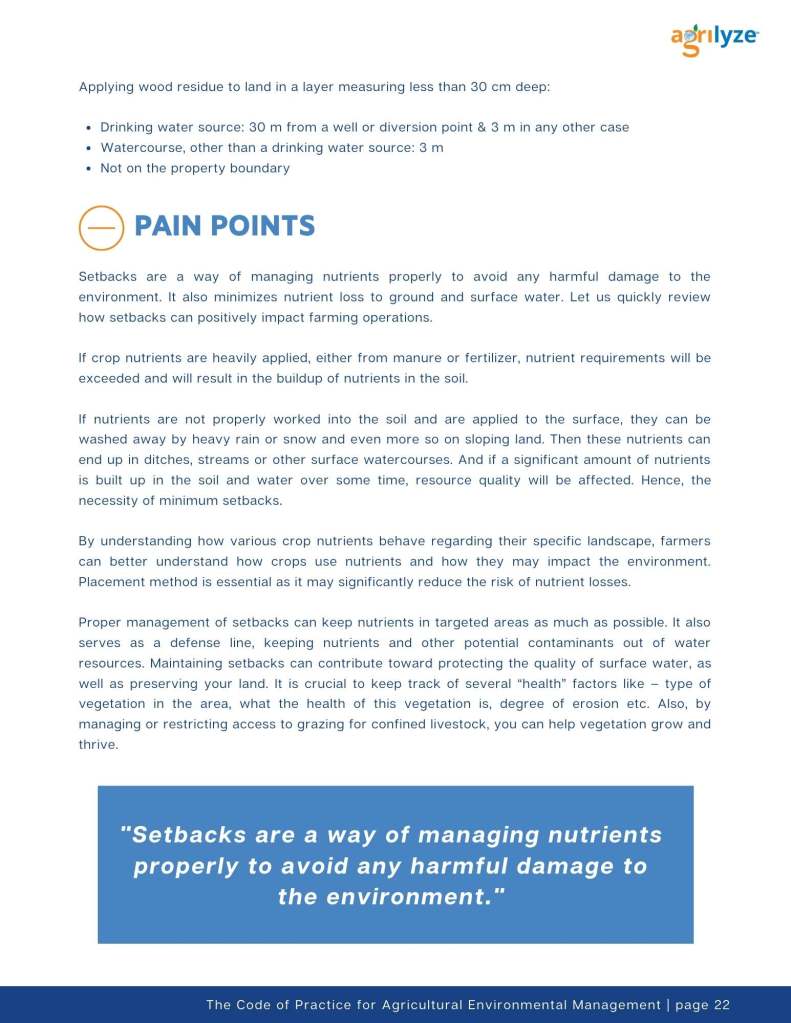
I put together this e-book based on a 10-week blog series I ran for Agrilyze. It covers in great detail the specific requirements of the Code of Practice for Agricultural Environmental Management, which is a set of regulations implemented by the Ministry of Environment and Climate Change Strategy in BC. I hope you enjoy it and as usual, let me know what you think!

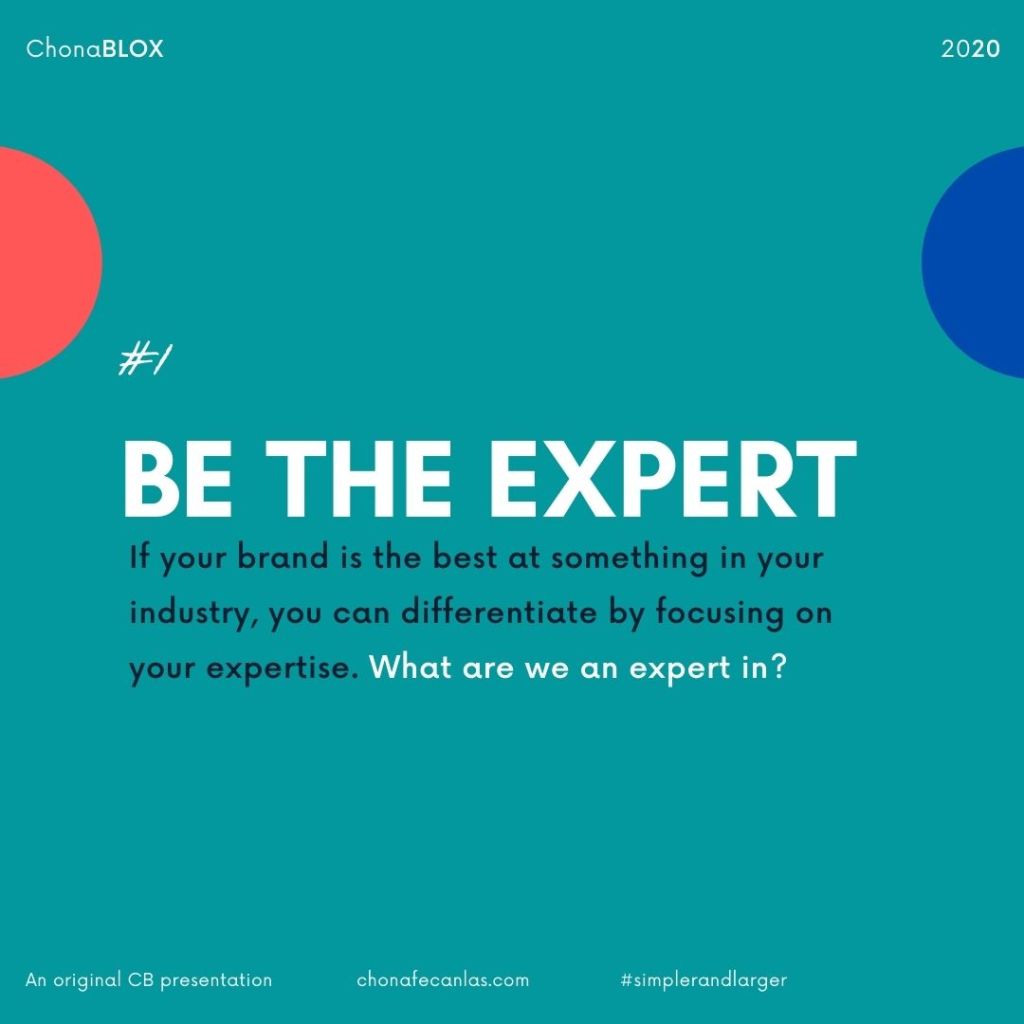
5 Ways to Differentiate Your Brand

In life, different is good. 

It’s about who we are and how we showcase ourselves to the world. 

In branding, it’s much the same. 

Although being different can be a challenge. 

Why?

We don’t want to clash with the norm. We want to be unique and memorable.

I came across an excellent article about brand differentiation and put together this quick presentation.

Let me know what you think!

Food for Thought

I wanted to share some recent social media work I developed for DirectFood.store. Check it out and let me know what you think!

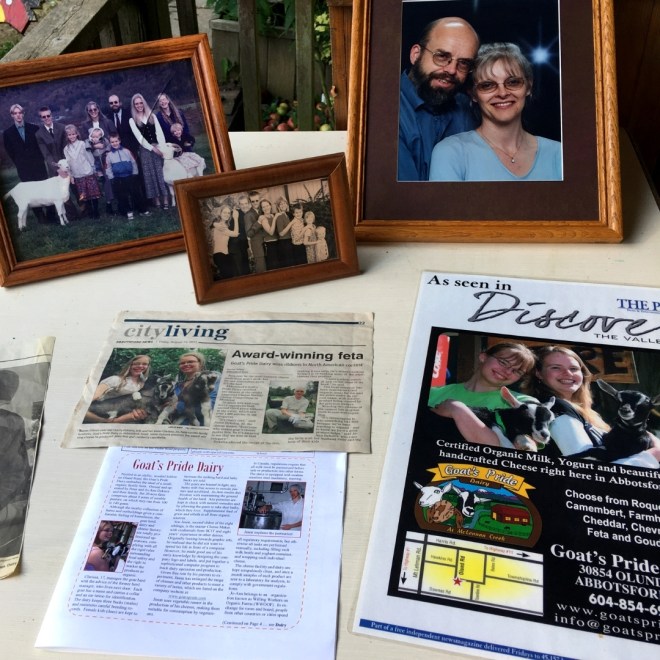
Farm Stories – Goat’s Pride Dairy

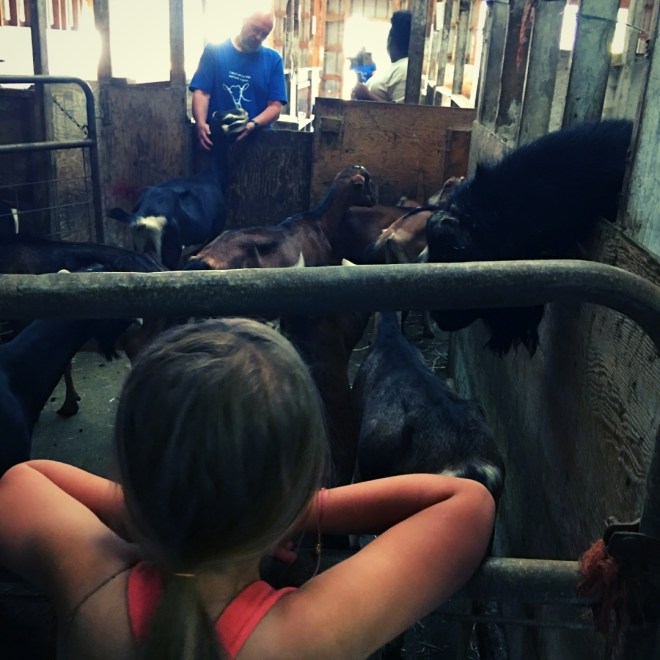
Milca (teammate) and I spent the afternoon filming on location at Goat’s Pride Dairy.

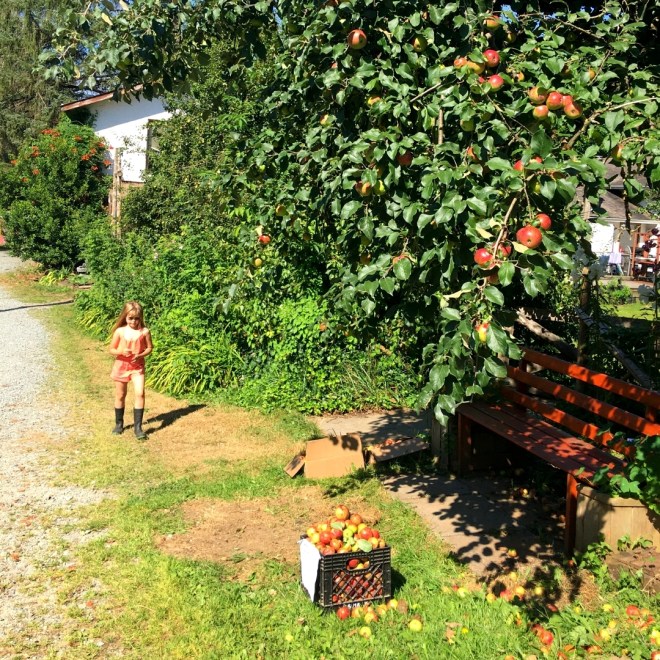
I arrived earlier, still late, but feeling excused because of the weather. I was greeted by a girl in a salmon-coloured romper, and then shortly, another young girl looking much the same presented herself smiling. They could have been twins, but one was taller and wore a hat I could not stop examining. For my life, I forget what Jo-Ann (matriarch of the Dykstra family) called it, but alas, it was some sort of hat slash cover used to protect the face and hair from harsh elements.

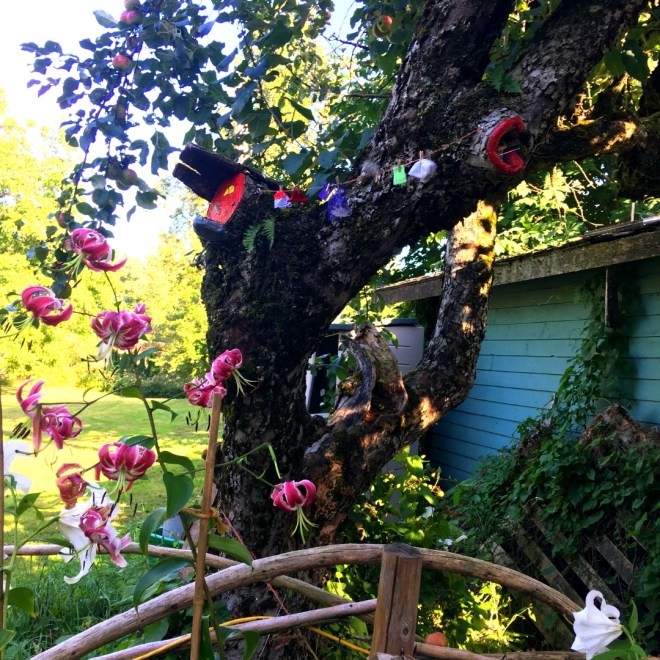
I asked a quiet girl sitting on a step if she knew where Jo-Ann could be. She turned out to be the farm gardener. I asked the young girls. It was only after they cautiously pointed me in the direction of the bathroom, that I noticed a small house set stoically aside an apple tree, which the girls promptly proclaimed, “That’s the shop! She is probably in there!”

And there I found her. She had an easygoing air and quirky smile and laugh. Jo-Ann Dykstra was stocking fridges for ‘social media’, which I thought was brilliant. I appreciated that she was still preparing her farm for our visit. We had a brief introduction, then went off on our ways. I had to check if Milca, my filmmaker, had arrived, and Jo-Ann was probably considering a few other things to wrap up before filming commenced.

Other family members started to appear; each one donning a bright blue t-shirt with amusing imagery and text that accurately explained the context of their ubiquitous smirks. It was fun and again very thoughtful and made a tremendous blue background for certain shots, primarily in the greens or browns.

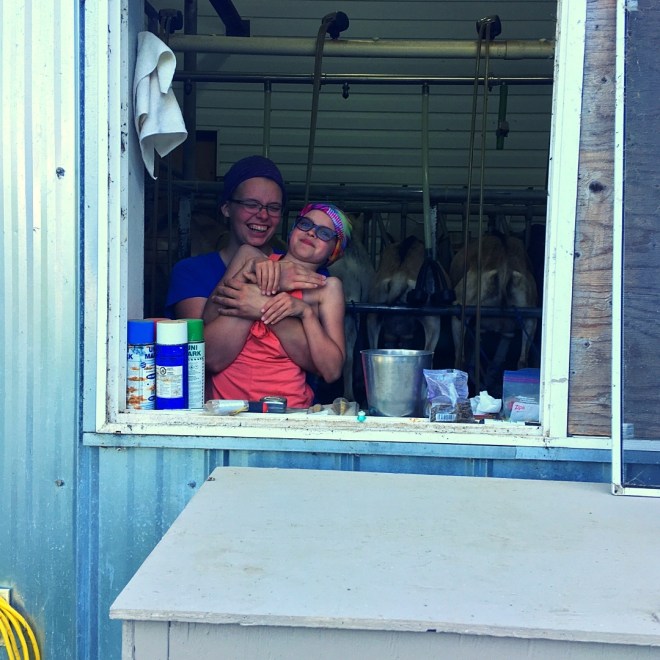
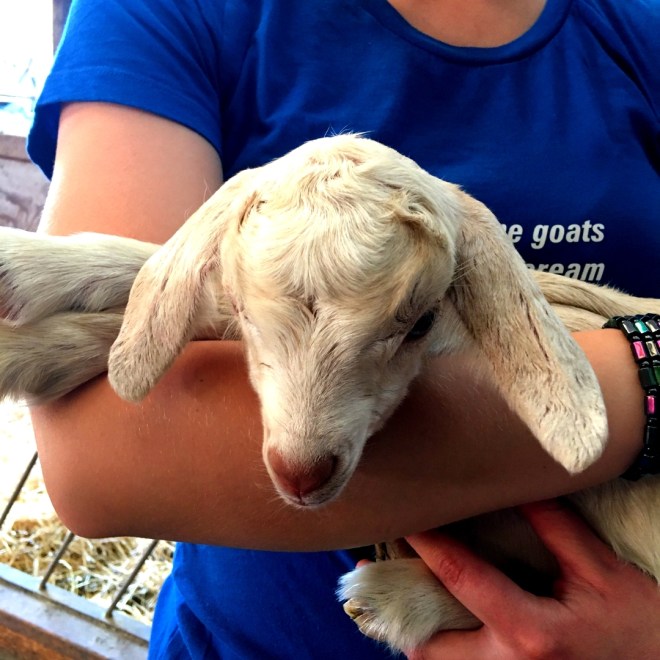
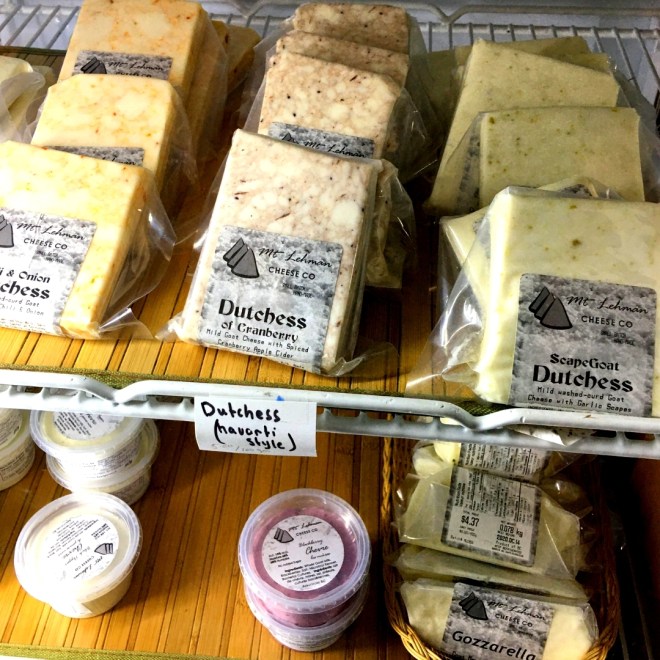
And so she finally arrives, with all her equipment. I am mesmerized by her calm and friendly demeanour, telling myself in my head, I need to be more like Milca. We filmed for the next 3 hours, if not more. The processing room where we witnessed son Jason laboriously creating goat mozzarella (Mt. Lehman Cheese Co.). The interview portion on the backyard veranda. The goats inside their cozy home. A new baby goat only four hours old. And best of all, daughter and grand-daughter milking the herd. Finally, a quick visit to the babbling brook known as McLennan Creek, also the name of their store as prescribed on a handmade wooden sign.

It was a great experience. It felt like I was at home, as a boarder or wanderer travelling across British Columbia who finds a remote place that offers up service, work and a sprawling, farm-set playground. It was almost too hard to leave, sharing a last-minute conversation with Jo-Ann about their upcoming open house.

If you have a chance, visit their farm and experience goat farming first hand. You will be welcomed, and I guarantee, the two young farm managers will greet you with open arms, maybe matching outfits as they did us today. You’ll want to explore and find out what a smallholding agricultural operation is like.

I am just being introduced to the world of agriculture, and I am astounded every day. I look forward to learning more about farming in the future!

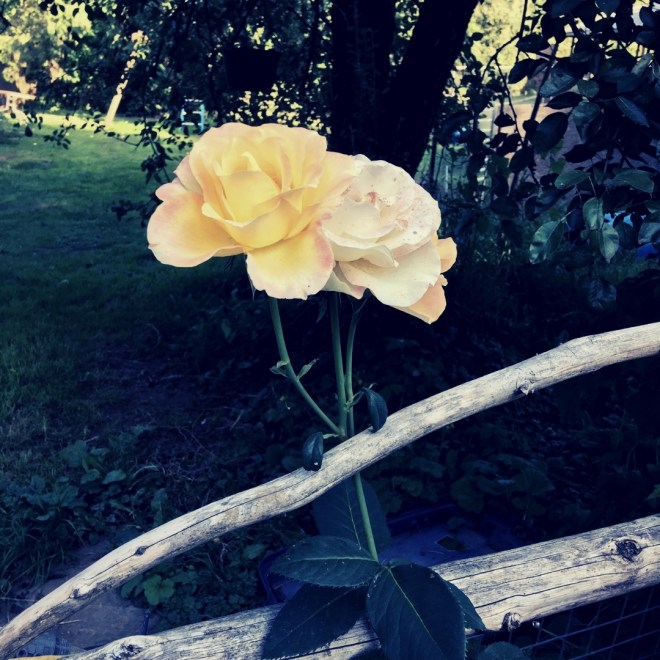
Here are some photos I captured. We will be sharing our first Farm Stories video soon, so stay tuned!