

I would love to share my thoughts and ideas through different formats this year. I created a sort of newsletter and thought to read it aloud and say, ‘This is my first podcast.’ It’s just an idea that could turn into something real, depending on this marketing journey of mine. I hope you enjoy it, and feel free to provide any feedback—I appreciate it!
Category: Sales


The Innovator’s Dilemma
🚀 Embrace Innovation + Disruption = A Lesson for Every Marketer
I downloaded a new app called Headway. It’s a great way to learn about new books, and I recommend it to anyone. Here are some of my learnings over the weekend.
Topic: The Innovator’s Dilemma (By Clayton Christensen)
The main idea is that creating a new market poses less risk than entering an established market. It is also more rewarding. Nonetheless, small new markets can barely satisfy the required growth requirements of larger businesses.
In other words, businesses may overlook game-changing opportunities because their model is primarily to maintain the status quo. 🛳️ To lead the pack, marketers must be forward-thinking, disruption-leaning changemakers.
Here are a couple of definitions to start –
Innovation: In marketing, this is the fusion of creativity and strategy. Innovation is our ability to craft compelling narratives and experiences that captivate audiences, redefine brands, and transcend conventional boundaries.
Disruption: Closely connected to the above, disruption in marketing is the radical departure from norms, leveraging innovative approaches to challenge conventions and reshape audience/buyer behaviour on a larger scale.
So, what’s the takeaway for us marketers? Here are a few key points to keep in mind:
🔍 Stay vigilant: Keep your eyes peeled for emerging trends and technologies, even if your first inclination is to tell yourself it’s too small or too niche of an idea. Do you want to cross over strategy between industries? Why not see how it fits? Run some experiments to test the waters – but before you launch anything, earn buy-in from your team. Your role will be to convince them with supporting data.
💡 Think like a startup: Embrace agility and experimentation. Don’t get too comfortable with your current strategies. See the value for your audience. How does that influence business outcomes? And if there is a misalignment, you might focus too much on activities and output. Your strategy must respond to change, not be static or a quest for perfection.
🗣️ Listen to your audience/buyers, but watch the market too: While meeting current needs is significant, don’t ignore opportunities outside your existing customer base. Seek out different and diverse points of view. Your creative director friend? He might have some powerful assertions worth exploring. Always carry paper and a pen as it provides immediate focus and stimulation – good stuff for your head.
⚡ Be proactive: Don’t wait for disruption to hit you—seek ways to innovate and stay ahead of the curve. And you can do it by yourself! Self-learning can help learners become more autonomous, organized, self-disciplined, and able to communicate. Just remember – cross-collaboration over silos and hierarchies.
What are your thoughts on innovation and disruption in marketing?
Share this:

The 9-Point Channel Strategy
Marketing in an Age of Complexity
Marketing is an environment defined by complexity and constant change.
For example, AI has automated and streamlined processes such as social media management and content creation. Similarly, over the past five years, the world of SEO has shifted away from simply keyword tactics to a more holistic approach involving the rigorous understanding of user intent and experience.
A recent McKinsey study found that 77% of CMOs believe their role has increased in complexity over the past five years, while other research consistently highlights the importance of integrated, customer-centric approaches for increased growth and revenue.
Amidst this frenzy of marketing metamorphosis, we can now say that leaders need more than campaigns. They need systems. They need ways to leverage digital ecosystems while maintaining a hyper-vigilant approach to customer needs and overall growth. That’s where the 9-Point Channel Strategy comes in.
Delving, Developing, and Deducing
This complexity was not theoretical for me – it showed up daily during my Longboard days, when I was part of a small yet mighty team.
A few months into my role, I began to dream about creating a strategy that could answer some of the challenges our team was experiencing – a lack of organization due to poor project management skills, limited human resources to handle social media and email marketing tasks, and most importantly, misalignment and miscommunication with leadership, as well as missed opportunities to collaborate with cross-functional departments.
I wrote a business case and presented it to the CEO.
In my study, I explored all the potential projects and campaigns we could launch if only we were more organized and had more structure to our efforts. It was also the catalyst for doubling our team’s size. After a quick presentation of my findings, my request was quickly approved. I finally had the go-ahead to develop the strategy that had been rattling about in my brain.
A Holistic View
The lack of a holistic view is one significant challenge that spurred the need to develop the 9-Point Channel Strategy.
In holistic marketing, departments and the strategy work together to accomplish shared goals and support an overarching purpose. A holistic stance paired with a transparent purpose is pivotal to scaling efforts and driving incremental volume and revenue.
It allows you to step back and review your work, gaining a deeper and clearer understanding of how inputs influence outcomes. With this perspective, you’ll be better prepared to make thoughtful, proactive decisions. Once you develop a holistic view, you can begin shaping content and messaging that resonates across physical, emotional, social, and even spiritual dimensions. At its core, this unification can lead to outcomes that stand out and make a lasting impact.
The 9-Point Strategy
The 9-Point Channel Strategy is an integrated approach to channel marketing where the primary goal is to understand your market segments and audience so you can deliver campaigns and projects that will produce results, all while driving your mission and vision forward.
By organizing each channel according to activity and assigning roles and responsibilities to the team (RACI chart), you can plan your delivery and create an inspiring experience that results in alignment between identity, delivery, and experience. This framework provides marketing teams with a structured, repeatable approach to align business goals, customer engagement, and brand growth across traditional and digital channels.

Why Structure Matters in Marketing
Most marketing teams suffer from one of two extremes: ad hoc creativity with little consistency, or rigid planning that fails to adapt to market shifts. Neither delivers sustainable growth.
The 9-Point Channel Strategy strikes a balance.
At its core, it emphasizes organization, planning, and resource allocation. These are not administrative details; they are the foundations of scaling. A Harvard Business Review study found that companies that link project management discipline with strategy execution are 70% more likely to outperform their peers.
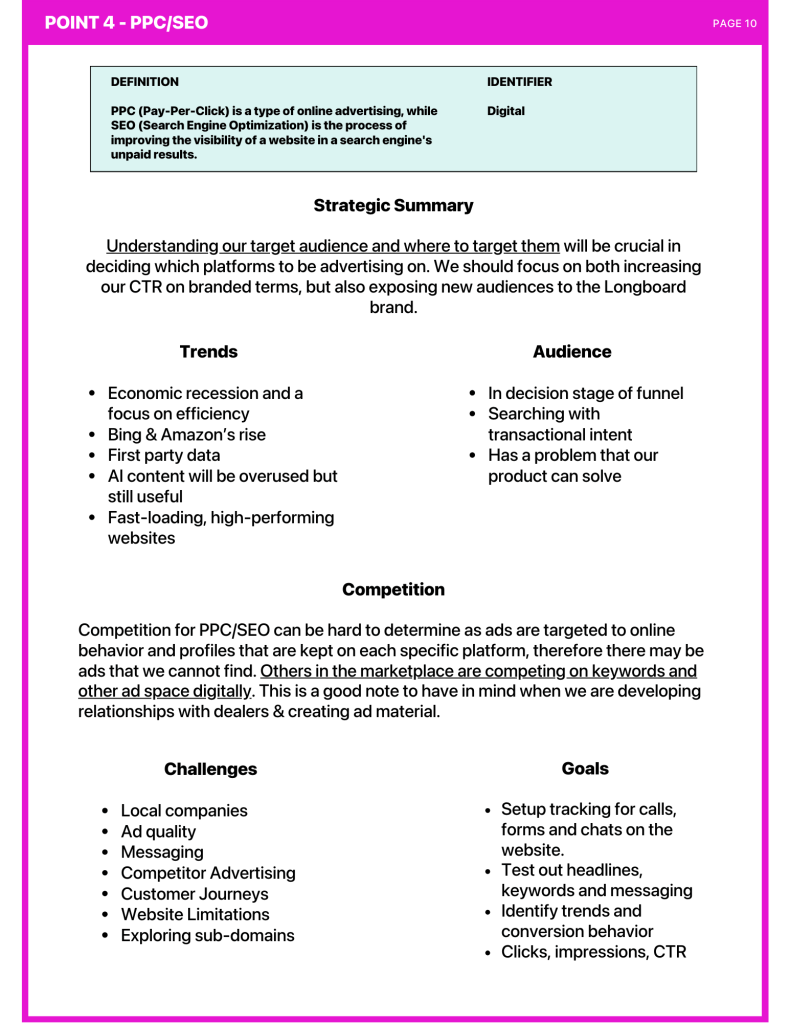
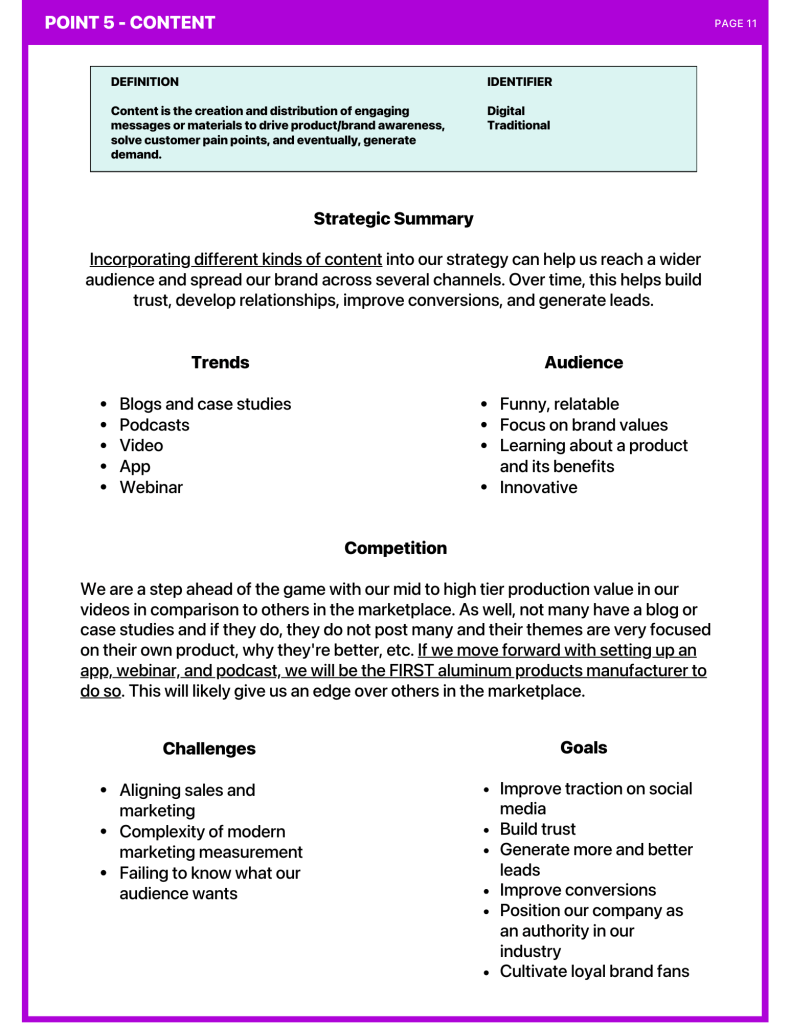
By organizing around nine integrated channels – SEO/PPC, Content, Swag & Signage, Communications and Relationship Management, Tradeshows & Events, PR & Media, Website & Apps, Email Marketing, and Social Media – companies create a roadmap that both grounds their brand and gives teams the agility to respond to change.
From Brand Awareness to Measurable Revenue
Marketing is not just about visibility. Done right, it drives the business. Done wrong, it can degrade the brand and dislodge the customer journey.
So, it’s vital to understand how each channel works singularly and in groups (Channel Groups). Research by Nielsen shows that brands with strong integrated campaigns achieve 31% more effectiveness than those using single-channel approaches.
The 9-Point Channel Strategy is designed to move organizations along this path. It improves:
- Brand Awareness: By consistently activating channels that reinforce identity and voice.
- Customer Engagement: Through storytelling, dialogue, and relationship management across touchpoints.
- Sales Impact: By aligning marketing activity with measurable outcomes such as lead quality, conversion rates, and pipeline growth.
For example, when I applied this framework in past roles, companies saw up to 600% growth in engagement and $25M in new business pipeline opportunities.
It’s critical to understand that this doesn’t just happen out of sheer application – it’s the targeted execution that matters most. It’s like a causeway. You can allocate resources to support your teams, all while understanding your business needs more accurately.
Furthermore, the 9-Point Channel Strategy guides the creation of marketing and sales materials, the development of strategic regional campaigns, and the collection of valuable data using the software and tools you have in place. By investing more time into understanding the potential of your market and the journey your clients take, you can influence product development, boost brand recognition, and more.
You will also improve your breadth of knowledge and meet changing client requirements more quickly and effectively. Client satisfaction will rise, as will your future revenue and profitability. Your reputation will grow as you raise awareness for your company and industry.
The Agile Imperative
No framework survives long if it can’t adapt. The 9-Point Channel Strategy incorporates principles from the Agile Marketing Manifesto, which emphasizes experimentation, cross-functional collaboration, and responsiveness to change.
Five rules serve as guiding pillars:
- Focus on client value and business outcomes over activity and outputs.
- Deliver value early and often, rather than waiting for perfection.
- Learn through experiments and data, rather than opinions and conventions.
- Collaborate across functions, not just within silos or hierarchy.
- Respond to change by following a static plan.
This isn’t just philosophy. According to AgileSherpas, 42% of marketers now practice some form of Agile marketing, and those teams are twice as likely to report success as their non-Agile counterparts.
To put agility into practice, leaders need guiding principles that balance flexibility with discipline.
Principles for Execution
To embed agility within structure, leaders must:
- Align closely with internal and external stakeholders through transparency and trust.
- Encourage diverse perspectives to fuel creativity and innovation.
- Operate at a sustainable pace, balancing urgency with long-term growth.
- Empower small, cross-functional teams who are motivated and trusted.
- Continuously refine brand and channel fundamentals—because agility alone is not enough.
The best marketing programs are not built on one-off bursts of inspiration but on disciplined iteration. As Reid Hoffman, LinkedIn co-founder, once put it: “If you are not embarrassed by the first version of your product, you’ve launched too late.”
The Call to Leaders
The 9-Point Channel Strategy is more than a checklist – it is a system for growth in an unpredictable market. By combining structure with agility, organizations can achieve clarity, consistency, and measurable outcomes while staying aligned with their mission, vision, and values.
In an era when customer attention is fragmented and competition is fierce, the companies that win will not be those who do more, but those who do better. Integrated and agile marketing is no longer optional – it is a prerequisite for sustainable success. The 9-Point Channel Strategy offers a path to do just that – driving clarity, consistency, and sustainable growth.
If you’d like to explore how this strategy can work for your business, feel free to reach out to me anytime – info@chonafecanlas.com.
Thanks for reading,
Blox.
PS – Below is an example of a preliminary exploration I did for a company. Let me know if you’d like to chat more about it!




Share this:


What Is a Fighter Brand?
Fight.
Fight for what’s right.
Fight for it’s worth.
A fighter brand is when a company introduces a new, lower-priced product or brand to compete directly with its own existing products or with those of its competitors.
The purpose of a fighter brand is to target price-sensitive consumers who may otherwise choose a competitor’s cheaper alternatives, thereby protecting the company’s market share and overall brand image.
Pros
Market Segmentation: A fighter brand allows you to target different market segments simultaneously. It enables you to cater to both price-conscious consumers and those who are willing to pay a premium for your main brand, thus widening the client base.
Competitive Advantage: By offering a lower-priced option, you can directly challenge your competitors on price. It can capture clients who prioritize cost savings without undermining the reputation or sales of your higher-priced main brand.
Risk Mitigation: In the face of tough economic conditions or fluctuations in consumer preferences, the fighter brand can act as a buffer for your overall performance. If consumers tighten their budgets, they may switch to the more affordable fighter brand, maintaining sales for you.
Brand Loyalty: Clients who begin their journey with the fighter brand may eventually move up to your main brand if they have a positive experience. It can create brand loyalty within the client base, potentially increasing long-term client retention.
Cons
Cannibalization: One of the significant risks associated with fighter brands is the potential for cannibalization of sales. If the fighter brand draws clients away from your main brand without attracting new clients, overall revenue could suffer.
Brand Dilution: Introducing a lower-priced brand may lead to a perception of reduced product quality or brand dilution. If not managed carefully, it can negatively impact the image of your main brand, especially if clients associate the fighter brand with inferiority.
Marketing Costs: Successfully launching and maintaining a fighter brand requires investment in marketing and advertising. If the returns on this investment are not significant, it could strain your financial resources.
Logistical Complexity: Operating multiple brands can add complexity to your supply chain, distribution, and inventory management processes. It requires careful coordination and management.
Impact on a Growing Company:
For a growing company, introducing a fighter brand could have several implications:
Competitive Edge: In a competitive market, launching a fighter brand could help you gain a competitive edge by offering a more affordable alternative to your existing products and those of your competitors. This could attract budget-conscious clients and win market share.
Revenue Stability: Economic downturns or fluctuations in any industry can affect purchasing behavior. The fighter brand could help maintain revenue stability during challenging times by capturing price-sensitive clients.
Customer Acquisition and Loyalty: The fighter brand can act as a stepping stone for clients who are initially hesitant to invest in your main brand’s premium products. If they have a positive experience with the fighter brand, they may become loyal clients and eventually upgrade to the main brand.
Product Diversification: Introducing a fighter brand allows you to diversify your product portfolio and address the needs of a broader client base. This diversification can reduce reliance on a single product line and expand market reach.
Challenges in Brand Management: You must carefully manage your marketing and positioning of the fighter brand to avoid brand dilution and cannibalization. Clear differentiation between the fighter brand and the main brand is essential to maintain their distinct identities.
Operational Considerations: The introduction of a new brand may require adjustments to your processes, supply chain, and distribution channels. Proper planning is necessary to handle the increased logistical complexity.
In summary, a fighter brand can be a valuable strategy for a growing company. One main benefit of developing a fighter brand is that clients who initially purchase from the fighter brand might be enticed to upgrade entirely to or add-on different products and services as their needs and budgets evolve. This can foster long-term client loyalty (a longer term marketing strategy). To solidify a fighter brand’s market position, you would need to develop a clear communication strategy to explain the relationship between the main brand and the fighter brand to avoid confusion among clients.
I’m going to share more explorations on brand types in coming posts, so stay tuned!
Share this:


How Ad Imagery Could Translate Into Product Packaging
The stack of magazines was impressive. Elle, Vogue, Architectural Digest, Bon Appetit and People. As a 13-year old, I just wanted to fixate and rip, fixate and rip, fixate and rip. Slowly, I was adding to my expanding wall collection, and I was proud. How were the ‘best’ images selected, and what made them ‘iconic’? What mattered to me at the time—creativity, originality, colour, composition—made it onto my closet doors, locker and school binder clear insert. If I could think of these images in my sleep, they became iconic. I will never forget one in particular. The triangular red and white logo juxtaposed against a black and white photograph of a girl pouting while a man anticipates…

What intrigues us about this image? Almost instantly, we find ourselves peering in, linked to the experience. We sense she is in the wrong place; however, we do not feel that she does not belong or would rather be elsewhere. Time and space are interrupted. We ask ourselves, “Will it occur?” But the chain of events does not matter. What matters is that we are suspended in a rare and captivating moment. And because the image is black and white, we are transported to the exact scene where the ‘film’ unravels. Then the bold red of the typeface and the logo bring us back to life, and we are suddenly alive; the advertisement has won us over…without a guess!
If we know that people can impact an ad’s efficacy, should we consider using people on food packaging? Could we use the interaction between a man and a woman on a coffee bag, for example? In my opinion, yes. Imagine this. A tired corporate executive finds herself standing in a Whole Foods Market. There is no one around. Soft music flutters in and out of her ears. She is standing in the coffee aisle, looking at bags and bags and bags. There’s so much unique packaging, she’s not sure what to choose. But then she sees it—a couple set in black and white. The photograph is beautiful; the packaging seems bound by eternal love as the image wraps fully around the product. It portrays something the executive longs for on a deeper level. “I’ll go for this,” she thinks, grabbing it to pay.

Using people in ad imagery is not a new concept, but could potentially be an innovative idea in the food and beverage domain. We know that ads are geared to make us think and feel. And there’s a whole range of themes emotional ads can trigger, from love to empathy to excitement. I don’t think I’ve ever spent valuable time and money on a product that didn’t trigger an emotion somehow. Even if it may go unrecognized—the power and influence of an emotional experience are unforgettable.
Should packaging portray a feeling using images of people? And if so, what are the most effective ways this can be executed?
Share this:


How Art on Food Packaging Affects Decision-Making


Food for Thought
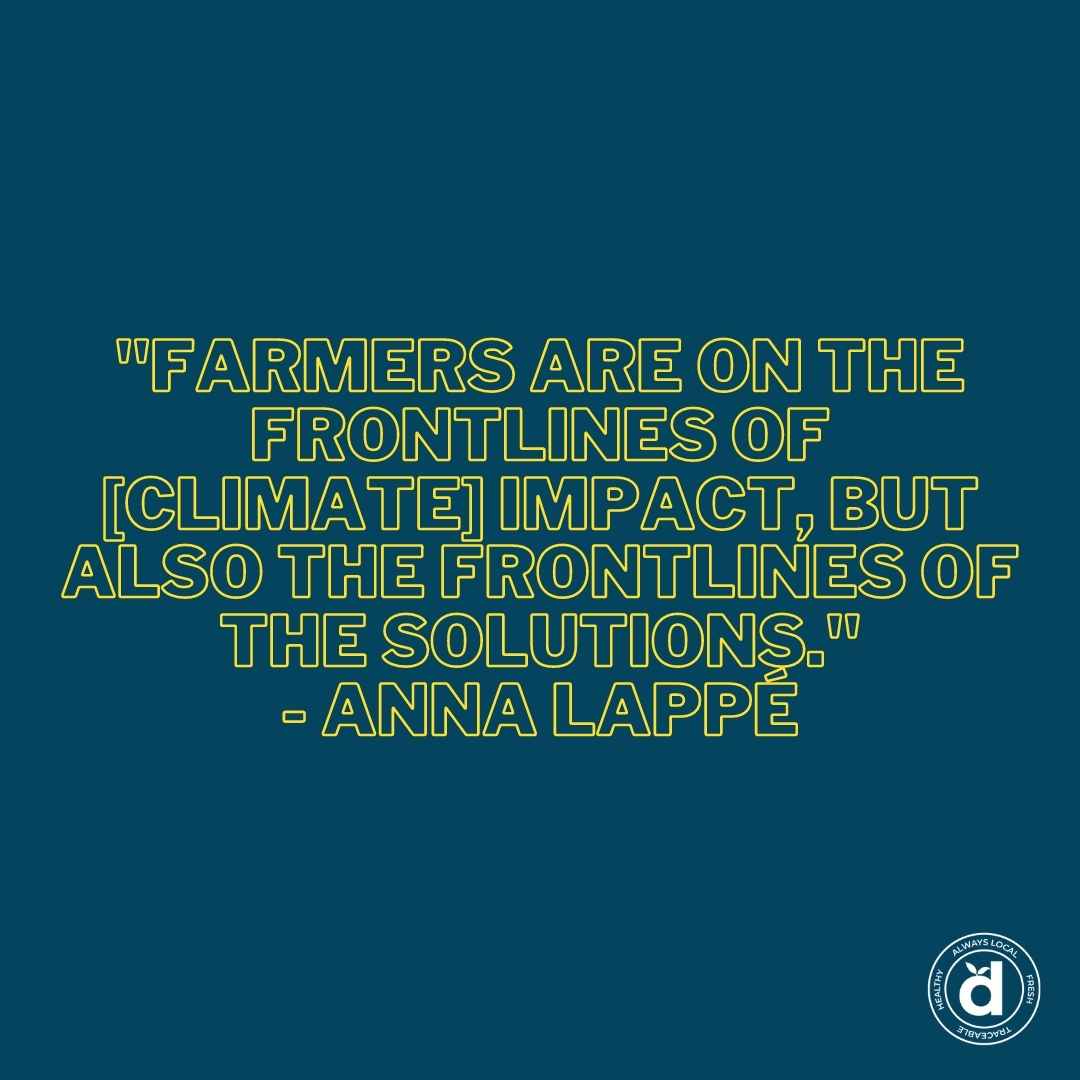
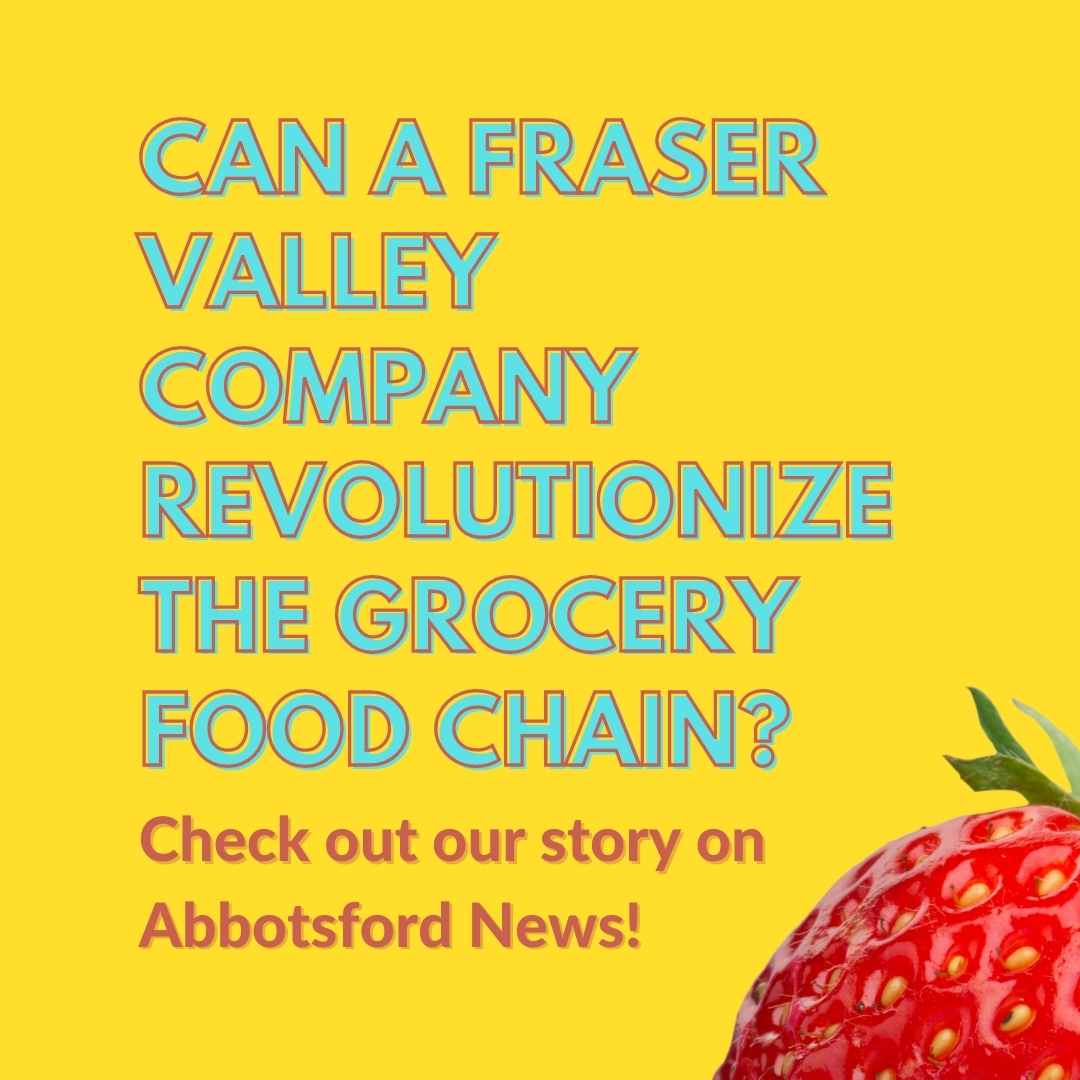
I wanted to share some recent social media work I developed for DirectFood.store. Check it out and let me know what you think!







































Share this:


Brand Purpose Presentation
Here is my latest marketing training presentation. Hope you enjoy it, if you have any questions, feel free to reach out!
Share this:


Who Are We Campaign – Identifying Top of Funnel Marketing Strategies
This all began at the end of the day, Friday afternoon.
I was leaving i-Open a little bit late. I was put in charge of sending out a Stablebuzz priority newsletter speaking on frameworks released by leading equestrian organizations ensuring a safe return to work for stable owners. My managers (I pretty much work with only managers) were stuck in meetings all day and I was waiting for one to review the final test newsletter. I couldn’t go without his approval. Anyway, long story short, I was finally finished and hopped into the elevator with another man standing there. I did not know who he was, but he definitely worked in the building. He moved into one corner because of COVID-19. He asked how everything was going in the office with us all being back and followed with a classic job interview question: what do you guys do there? I was quick to respond, we’re a tech company and he laughed saying that’s obvious, but what do you do there?
We are all told to have an elevator pitch prepared, but who else only reserves coming up with one for special presentations and interviews? This campaign is based on that idea. The idea that we assume our audience are experts, primed in communication and language technologies. But the truth is, this may not be the case. I’ve spoken with countless business owners, in one role trying to sell digital marketing services. As touchpoint rules say, it always took 3-5 interactions before they were really willing to talk to me. First interactions were like this –
Hey there!
My name is Chona, I work across the street at a company called VanWhistle Media. Do you have some time to speak?
Business owner: Hi. Not really. I am busy at the moment.
So, as you can imagine, not much more can be said there. I could either say no worries, and leave, or, I could provide a more basic, and general description of my goal.
Ah, no worries! I can imagine you are super busy. I have a one-pager that describes what we do with a little more detail. It’s easy to read and my card is attached, so please reach out to me if you have any questions!
Our immediate messaging must be enthusiastic, and look after our audience’s basic needs. Once a certain level of safety or security is established then perhaps, we are able to provide a little something more. Using a hook, we can then present a very basic/general value proposition. In this case, the hook is the one-pager. (I can never forget and it always works out this way – the medium is the message à la M. McLulan!) The value in that is that yes, perhaps the business owner was truly busy, but this does not mean they are not interested. The one-pager gives just enough information to get them hooked. Then once they realize they have interest the relationship begins.
So, why are we in this relationship? As Ezra Firestone, marketing maven and e-commerce guru would say: this is the game. We are all people and we are essentially communicating through various mediums. What this means is that, we are all on the same level in one way or another, however we must learn how to communicate with each other using said various mediums. As a marketer, this means not making the assumption that my audience is interested in what I have to say, but moreover is interested (subliminally) in HOW I am saying it.
I’m about halfway through a Facebook ads mastery course and in the process I have developed a creative ad campaign strategy that touches on the essence of why our group at i-Open Technologies is doing what we’re doing. I’m excited to present it to my team this Friday! Cheers!
Share this:

Elevate Your Marketing Approach
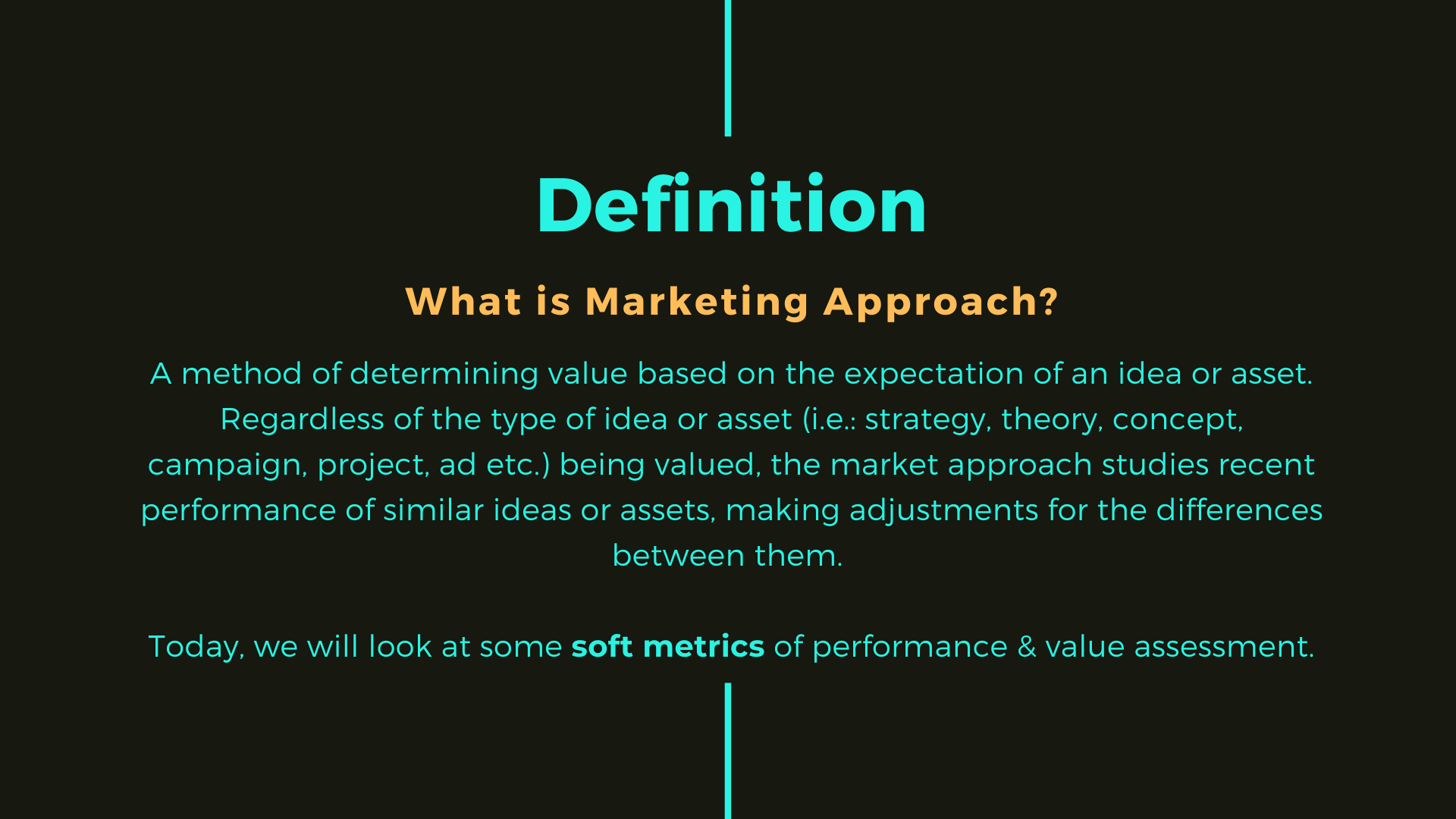
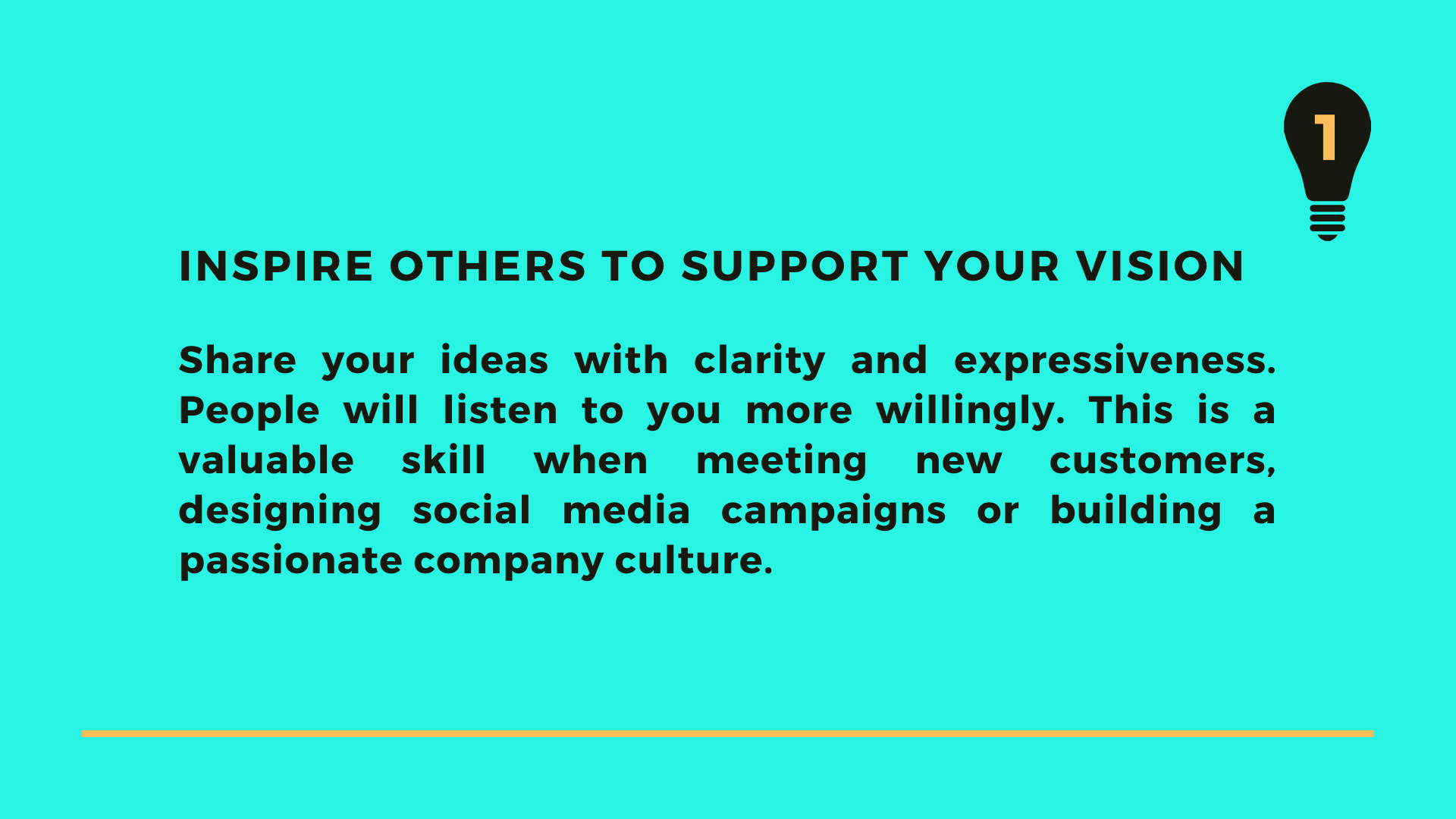
It’s been a while since we’ve presented. With everything going on – ‘the virus’ (as my daughter likes to say), working from home and adjusting to business challenged by a paused economy, we’ve put a hold on Marketing Training. To be honest with you, I’m just amazed to hear about some environmental happenings – jellyfish swimming in the Grand canal for example, just astonishing. Perhaps all this social distancing and staying at home will amount to noticeable improvements in our current climate. That’s something that actually matters today. I have a theory on how COVID-19 relates to AI, but that’s my vision, for now, have to figure out how to break it down first before I go off as I do, you know the gist. For now, here’s a presentation on elevating your marketing approach. Enjoy!



 Blox. is a Creative & Technical Marketer