

I would love to share my thoughts and ideas through different formats this year. I created a sort of newsletter and thought to read it aloud and say, ‘This is my first podcast.’ It’s just an idea that could turn into something real, depending on this marketing journey of mine. I hope you enjoy it, and feel free to provide any feedback—I appreciate it!
Category: Messaging


Corporate Identity
Here are some social media videos showcasing the #corpcorp vibe.
We all know that these days, videos garner much more engagement than static images and visuals. That’s because they emit a sort of energy, which transmits directly to the viewer, influencing their experience with the content and helping them to make decisions that impact the brand’s ability to connect, sway, and sell.
In my opinion, a good short video pays special attention to the interaction between sound and movement – this in itself moves your audience along, can build anticipation, as well as excitement. Realistically, you have about 3 seconds to make an impression, so it’s critical to ensure the beginning of your video starts off with a bang.
I’m looking forward to creating more content like this! What’s your take on video creation to support brand identity?
Share this:


The Innovator’s Dilemma
🚀 Embrace Innovation + Disruption = A Lesson for Every Marketer
I downloaded a new app called Headway. It’s a great way to learn about new books, and I recommend it to anyone. Here are some of my learnings over the weekend.
Topic: The Innovator’s Dilemma (By Clayton Christensen)
The main idea is that creating a new market poses less risk than entering an established market. It is also more rewarding. Nonetheless, small new markets can barely satisfy the required growth requirements of larger businesses.
In other words, businesses may overlook game-changing opportunities because their model is primarily to maintain the status quo. 🛳️ To lead the pack, marketers must be forward-thinking, disruption-leaning changemakers.
Here are a couple of definitions to start –
Innovation: In marketing, this is the fusion of creativity and strategy. Innovation is our ability to craft compelling narratives and experiences that captivate audiences, redefine brands, and transcend conventional boundaries.
Disruption: Closely connected to the above, disruption in marketing is the radical departure from norms, leveraging innovative approaches to challenge conventions and reshape audience/buyer behaviour on a larger scale.
So, what’s the takeaway for us marketers? Here are a few key points to keep in mind:
🔍 Stay vigilant: Keep your eyes peeled for emerging trends and technologies, even if your first inclination is to tell yourself it’s too small or too niche of an idea. Do you want to cross over strategy between industries? Why not see how it fits? Run some experiments to test the waters – but before you launch anything, earn buy-in from your team. Your role will be to convince them with supporting data.
💡 Think like a startup: Embrace agility and experimentation. Don’t get too comfortable with your current strategies. See the value for your audience. How does that influence business outcomes? And if there is a misalignment, you might focus too much on activities and output. Your strategy must respond to change, not be static or a quest for perfection.
🗣️ Listen to your audience/buyers, but watch the market too: While meeting current needs is significant, don’t ignore opportunities outside your existing customer base. Seek out different and diverse points of view. Your creative director friend? He might have some powerful assertions worth exploring. Always carry paper and a pen as it provides immediate focus and stimulation – good stuff for your head.
⚡ Be proactive: Don’t wait for disruption to hit you—seek ways to innovate and stay ahead of the curve. And you can do it by yourself! Self-learning can help learners become more autonomous, organized, self-disciplined, and able to communicate. Just remember – cross-collaboration over silos and hierarchies.
What are your thoughts on innovation and disruption in marketing?
Share this:

Inception Marketing
In a world where businesses fight for attention, inception marketing can cut the noise. This unconventional technique aims to implant desire into your buyer’s mind, subconsciously intriguing them to make decisions.
But how would you approach this?
As per due course, identifying and understanding your target audience is fundamental. Perhaps serendipitously, knowing who your ‘people’ are is riff with classification – demographic, psychographic, and so on. But how do you distinguish character? Dreams? Accomplishments?
Wear their shoes!
Imagine what it’s like to be a member of your target audience. Consider their daily routines, challenges, aspirations, and sources of joy. Empathize with their experiences, and you can gain valuable insights into what motivates them and how your product or service can address their needs.
I’m not saying it’s going to be easy work. It will take time, bottomless curiosity, and creativity to craft compelling buyer personas that will make a difference in your pursuit of growth. You might even have to look the opposite way. Envision your competitor knocking at your door. How would you understand them? What questions would you ask? Then, alas, you can ask the grand question – what message and associations do you want to embed in your target audience’s psyche?
Your answers should create a deep, emotional connection and tap into their subconscious desires, beliefs, and aspirations.
Remember, storytelling is the key.
Evoke sentiment and eagerness and delve into universal themes that address the human experience.
And sometimes broad is better. Subtle and indirect. The goal is to make a long-lasting impact, build brand affinity, and, most importantly, influence their attitude toward your brand in the long term.
What are your thoughts on this marketing tactic?
Share this:


The Rule of Reciprocation
Next up – Dr. Robert Cialdini‘s Rule of Reciprocation!
Revelation. I’ve taken up something I’m sure a million (or more) of you do. I’m back to listening to ebooks while driving to work. Haha – and you thought it would be something more complicated! I did it before but found I was getting bored of it. I’m unsure if it’s the drone of narration or my susceptibility to zoning in and out. Probably a mixture of both. Alas, as part of my year of sharing insights, I thought it would make sense to dedicate myself to it again.
So, today, I want to talk about reciprocity in marketing. From a psychological standpoint, this rule is simple. What you give is what you get. We tend to feel obligated to return a favour or gesture after receiving something from someone else. If I come back from the cafe with a donut for you, you will likely buy me a baked good the next time you’re picking up a coffee. 😉
In marketing, this sense of indebtedness in our actions, or more specifically, messaging, can steer our audience to feel more motivated or compelled to make a decision that will impact their buying trajectory. For example, as part of our ABM strategy, I put together a booklet and sample kit for prospective customers. The act of sending and receiving the package in the mail is not only thoughtful but leverages something of value, something tactile and beautiful, something helpful and intriguing that, in turn, can help the receiving party better understand where our brand comes from and ultimately, our passion and intention of supporting the design and construction community through not only inspiring architecture but inspiration, in and of itself!
Creating this cycle of giving and receiving strengthens social connections and encourages cooperative behaviour among individuals and groups within communities, small and big. I see it as small steps of action becoming big sips of gratitude and many more meaningful opportunities in the future!
Have you taken a reciprocal step? In what way did it change the trajectory of your day? Your goals? Your journey as a marketer?
A brief Forbes article by Jeff Bradford sums it up pretty sweet – https://bit.ly/3NVpYUd
Not done yet! Reciprocity has even been known to foster creativity and innovation, such as this Adobe example in a short Medium article – https://bit.ly/48McaDl
Share this:

Saccharine


Usurp Your Words – Define Your USP by Finding an Emotional Connection
Your USP or Unique Selling Proposition is what differentiates your business from others in the marketplace. It’s also the reason why clients should choose you over a competitor. A USP informs every business modality—brand management, slogans, developing and describing new products and services, and how you interact with clients. A strong USP will put your clients’ needs front and center.
One technique you can follow to create impactful USPs is What’s In It For Me? (WIIFM). Here’s a bit about it:
The problem with promoting product features is that it does not always create an emotional connection with the consumer.
Without an emotional connection, chances of completing a transaction, whether a sale or simply a positive exchange (think: being swayed by an advertisement), reduce significantly. By answering the WIIFM question from the perspective of your target audience, you can start to understand their needs and develop clear and concise messaging around how your business can help them achieve their goals.
The central theme of your message should be the benefits offered. You shouldn’t confuse benefits with features (as in, you should describe the benefits they bring versus just listing features). Focus on the impact your clients will experience and the resulting emotional outcome.
Your WIIFM answer is what your clients look for when encountering you, your product, and the message you want to transmit. As a final point, you shouldn’t assume that because you understand it, everyone else does too. Develop an engaging, compelling, and accurate brand voice for your company that speaks to a vital concept (for example, for me at Longboard, it’s Inspiring Architecture).
What are your ideas about creating and promoting an effective USP? Here are some examples of USPs I wrote for my company. What are your thoughts? I would love to hear them; reach out to me anytime!


Share this:


How Industry 4.0 Affects Marketing – A Manufacturing Industry Analysis
Industry 4.0 is revolutionizing how companies manufacture, distribute and improve their products. But how does it impact businesses from a marketing perspective?
Characterized by increased automation and “smart” machines and factories, Industry 4.0 differs from previous industrial eras because manufacturing companies now have informed data (data + research + experience + personal insights) to help them manufacture their products more efficiently and productively across the value chain.
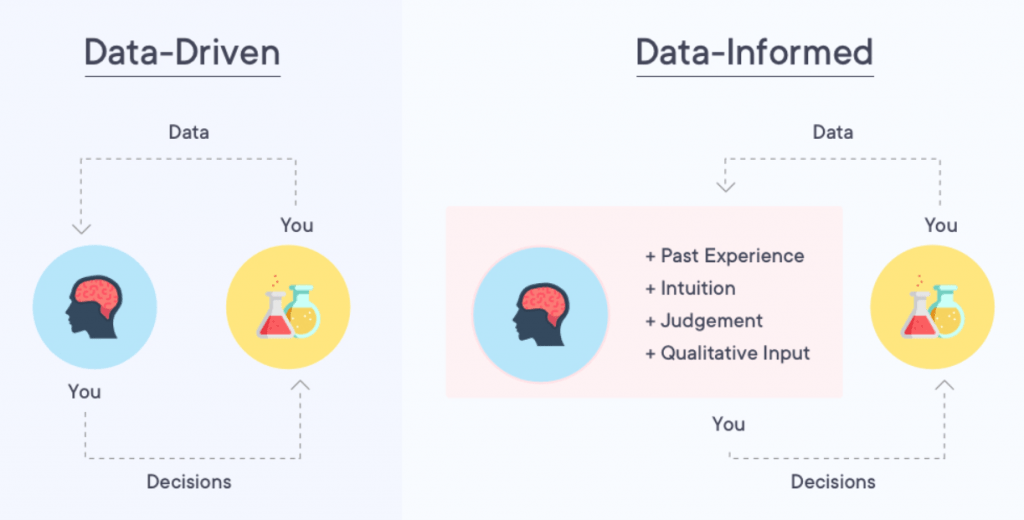
As a positive example of social, economic, and environmental responsibility, Industry 4.0 provides an incredible opportunity to share and expand on core concepts (for a manufacturing company, these could be ideas like efficiency, reliability, and speed) via targeted and strategic messaging. I’ll talk about a 9-Point Marketing Strategy later!
You can achieve this by promoting modern, forward-thinking concepts that can help differentiate you (this is USP) from others (competitors) in the marketplace.
What topics contribute toward your USP (Unique Selling Proposition), and what is USP in the first place?
Your USP or Unique Selling Proposition makes your business better than your competitors and is the reason why customers should buy from you. A USP informs every business modality, including brand management, slogans, developing and describing new products and services, and how you interact with clients. A strong USP will put your customers needs front and center.

Here are topics that can help build your USP as a manufacturing company (wanting to dial into Industry 4.0 concepts in messaging) –
- Increasing revenue and profitability: Industry 4.0 creates a more efficient and higher-quality production process and opens up marketing avenues for differentiating your product user journey against others in the marketplace.
- Optimizing processes for improved outputs: The need for integrated systems and the results they can produce will drive greater collaboration and communication among producers, suppliers, and other stakeholders in both the technological and marketing domains.
- Leading with high-quality products: You have a tremendous opportunity to realign and refocus quality and demonstrate to the world how new technologies can benefit and synergize the entire manufacturing industry, putting you in a position to lead the way with how you position your brand.
BRAND IMPACT
The impacts of Industry 4.0 (automation, “smart” machines and factories, etc.) can work conceptually and integrate into a marketing plan or strategy. Take its main outputs (for automation, think efficiency, reliability, speed) and apply them in cross-functional applications (namely, your content and messaging).
For example, if your drive for “efficiency” is to make your products easier to manufacture and is achieved thanks to new technologies like “smart factories”, then the output would be how it contributes toward messaging concepts like industry-best lead times (meeting on-time delivery requirements of clients) and added capacity to provide exceptional customer service (improving the client experience by developing enduring relationships at every touchpoint).

Today, I am developing a streamlined approach (that’s the 9-Point Marketing Strategy!) and testing various campaigns and projects to attain current goals and inform our future work. Of course, ensuring my team is collaborative and agile while leveraging informed data to drive the vision and mission forward.
It will be exciting to see what new product innovations (and process changes within marketing) grow from Industry 4.0.
What are your thoughts on this topic? Share, share away!

 Blox. is a Creative & Technical Marketer