

I would love to share my thoughts and ideas through different formats this year. I created a sort of newsletter and thought to read it aloud and say, ‘This is my first podcast.’ It’s just an idea that could turn into something real, depending on this marketing journey of mine. I hope you enjoy it, and feel free to provide any feedback—I appreciate it!
Category: marketing


Rebranding: A Strategic Initiative with Far-reaching Implications for Sustainability and Growth
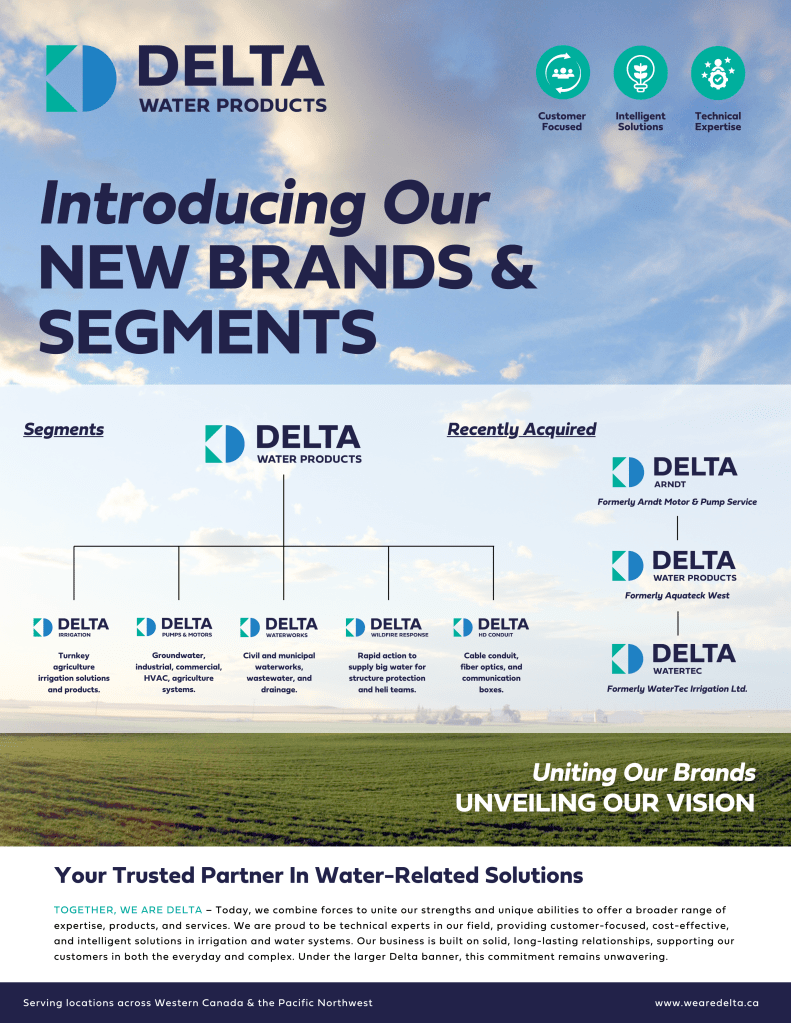
It’s been a slice since I’ve been on here. It’s because I have recently (well, about five months ago now) started a new job! I’m so excited. It has been the opportunity of a lifetime, and I am learning so much about a new industry and finding myself passionate about the projects I’ve been undertaking. Who is the new company? Delta Water Products! The head office is locally based in Chilliwack and has 14 branches across Western Canada and the Pacific Northwest. I’ve been hired as the new Marketing Manager, and my very first task was to take on the company’s rebranding as it became the parent name to several sub-brands, which required a complete revitalization of the brand.
Now, it’s essential to remember that rebranding is not a mere cosmetic change like a new logo or catchy tagline; it’s a strategic initiative that can redefine a company’s identity, reposition it in the market, and set the stage for long-term success. As businesses evolve, rebranding can be crucial in aligning a company’s image with its vision, values, and the market’s ever-changing demands. Understanding this strategic nature of rebranding can empower those involved to make informed decisions about their company’s future. Let’s delve in to understand better what a rebrand is.
What is Rebranding?
Rebranding is the process of changing an organization’s corporate image. It involves updating or completely overhauling the brand’s name, logo, visual identity, messaging, and sometimes its core values and mission. The goal is to create a new identity that resonates with customers, differentiates the company from its competitors, and reflects its current or future ambitions.
For many companies, rebranding becomes necessary after mergers or acquisitions, market shifts, changes in customer preferences, or a desire to enter new markets. It’s a way of breathing new life into a brand and ensuring it remains relevant and competitive.
What Makes a Successful Rebrand?
A successful rebrand is one that not only captures the essence of what a company stands for but also resonates with its target audience. Here are some key elements that contribute to a successful rebrand:
- Clear Purpose and Vision: A rebrand should be driven by clearly understanding the company’s goals. Whether it’s to attract a new customer base, reflect a merger, or reposition the brand in the market, the purpose behind the rebrand should guide every decision.
- Consistency Across All Touchpoints: Rebranding isn’t just about changing a logo. It’s about creating a consistent brand experience across all customer touchpoints—from the website and social media to packaging and customer service. Consistency helps build trust and recognition among customers.
- Stakeholder Involvement: A rebrand should involve input from critical stakeholders, including employees, customers, and partners. Their insights can provide valuable perspectives on what the brand represents and how it should evolve.
- Authenticity: The new brand identity should reflect the company’s values and heritage. A successful rebrand doesn’t mean abandoning what made the brand strong in the first place; it’s about building on that foundation.
- Effective Communication: It is crucial to communicate the reasons behind the rebrand and what it means for customers. Transparency helps in gaining customer buy-in and ensures a smooth transition.
Rebranding for Sustainability and Longevity
A well-executed rebrand can significantly contribute to the sustainability and longevity of a company. Here’s how:
- Adapting to Market Changes: As markets evolve, so do customer needs and expectations. Rebranding allows a company to adapt to these changes, ensuring it remains relevant and competitive.
- Expanding Market Reach: Through rebranding, a company can reposition itself to attract new customer segments or enter new markets. This expansion can lead to increased market share and growth.
- Strengthening Brand Equity: A robust and consistent brand builds equity over time. Rebranding can refresh and reinvigorate a brand, increasing its perceived value and enhancing customer loyalty.
- Reflecting Growth and Evolution: Companies grow, and their brands should evolve to reflect that growth. Rebranding allows a company to communicate its progress, innovations, and future direction.
- Building a Unified Brand Identity: In the case of mergers or acquisitions, rebranding can unify different entities under a single, cohesive brand. This simplifies the brand architecture and helps create a more substantial, recognizable presence in the market.
Case in Point: Delta Water Products Group
A perfect example of rebranding in action is the recent transformation of several well-established brands under the new banner of Delta Water Products Group. With the acquisition of WaterTec Irrigation Ltd., Arndt Motor & Pump Service, and Aquateck West, rebranding and aligning these brands with Delta Water Products and Delta Irrigation was strategic.
This rebrand was not just about a name change. It was about unifying these brands’ strengths and unique abilities to offer a broader range of expertise, products, and services. By becoming Delta Water Products Group, the company has expanded its geographic coverage across Western Canada and the Pacific Northwest and diversified its product segments, including Irrigation (Turnkey agriculture irrigation solutions and products), Pumps & Motors (Groundwater, industrial, commercial, HVAC, agriculture systems), Waterworks (Civil and municipal waterworks, wastewater, and drainage), Wildfire Response (Rapid action to supply big water for structure protection and heli teams), and HD Conduit (Cable conduit, fibre optics, and communication boxes).
This rebranding effort underscores Delta Water Products Group’s commitment to sustainability and longevity. By consolidating under a single, cohesive brand, the company has strengthened its market position, making it more agile and better equipped to meet the needs of its customers today and in the future.
I hope this all makes sense to you! Just keep in mind – rebranding is a powerful tool that, when executed thoughtfully, can increase a company’s relevance, market share, and longevity. It’s more than just a visual overhaul; it’s about aligning the brand with the company’s current and future goals. For companies like mine, rebranding has provided a renewed sense of purpose, a more robust market presence, and a clear path forward in an ever-evolving industry.
We took many steps to execute the rebrand, including building a new landing page, updating email signatures, and releasing brand announcement letters. My next big project is building one unified website to consolidate the brands and represent our group. I’ve shared a couple of different brand announcements I made below so you can understand my approach and the new branding. If you have any questions, feel free to contact me anytime!

Share this:

Inception Marketing
In a world where businesses fight for attention, inception marketing can cut the noise. This unconventional technique aims to implant desire into your buyer’s mind, subconsciously intriguing them to make decisions.
But how would you approach this?
As per due course, identifying and understanding your target audience is fundamental. Perhaps serendipitously, knowing who your ‘people’ are is riff with classification – demographic, psychographic, and so on. But how do you distinguish character? Dreams? Accomplishments?
Wear their shoes!
Imagine what it’s like to be a member of your target audience. Consider their daily routines, challenges, aspirations, and sources of joy. Empathize with their experiences, and you can gain valuable insights into what motivates them and how your product or service can address their needs.
I’m not saying it’s going to be easy work. It will take time, bottomless curiosity, and creativity to craft compelling buyer personas that will make a difference in your pursuit of growth. You might even have to look the opposite way. Envision your competitor knocking at your door. How would you understand them? What questions would you ask? Then, alas, you can ask the grand question – what message and associations do you want to embed in your target audience’s psyche?
Your answers should create a deep, emotional connection and tap into their subconscious desires, beliefs, and aspirations.
Remember, storytelling is the key.
Evoke sentiment and eagerness and delve into universal themes that address the human experience.
And sometimes broad is better. Subtle and indirect. The goal is to make a long-lasting impact, build brand affinity, and, most importantly, influence their attitude toward your brand in the long term.
What are your thoughts on this marketing tactic?
Share this:


The Rule of Reciprocation
Next up – Dr. Robert Cialdini‘s Rule of Reciprocation!
Revelation. I’ve taken up something I’m sure a million (or more) of you do. I’m back to listening to ebooks while driving to work. Haha – and you thought it would be something more complicated! I did it before but found I was getting bored of it. I’m unsure if it’s the drone of narration or my susceptibility to zoning in and out. Probably a mixture of both. Alas, as part of my year of sharing insights, I thought it would make sense to dedicate myself to it again.
So, today, I want to talk about reciprocity in marketing. From a psychological standpoint, this rule is simple. What you give is what you get. We tend to feel obligated to return a favour or gesture after receiving something from someone else. If I come back from the cafe with a donut for you, you will likely buy me a baked good the next time you’re picking up a coffee. 😉
In marketing, this sense of indebtedness in our actions, or more specifically, messaging, can steer our audience to feel more motivated or compelled to make a decision that will impact their buying trajectory. For example, as part of our ABM strategy, I put together a booklet and sample kit for prospective customers. The act of sending and receiving the package in the mail is not only thoughtful but leverages something of value, something tactile and beautiful, something helpful and intriguing that, in turn, can help the receiving party better understand where our brand comes from and ultimately, our passion and intention of supporting the design and construction community through not only inspiring architecture but inspiration, in and of itself!
Creating this cycle of giving and receiving strengthens social connections and encourages cooperative behaviour among individuals and groups within communities, small and big. I see it as small steps of action becoming big sips of gratitude and many more meaningful opportunities in the future!
Have you taken a reciprocal step? In what way did it change the trajectory of your day? Your goals? Your journey as a marketer?
A brief Forbes article by Jeff Bradford sums it up pretty sweet – https://bit.ly/3NVpYUd
Not done yet! Reciprocity has even been known to foster creativity and innovation, such as this Adobe example in a short Medium article – https://bit.ly/48McaDl
Share this:


2024 – The Year of Insights
I want to make 2024 the year to share some insights. I have time! You have time! We all have time! While perfecting pour-overs, tackling big hills on runs, or when driving into work – these are all great opportunities to listen and learn something valuable, even if just one small concept, it could turn into a big change-maker!
First up is the Cube of Creativity by marketing strategist Andrew Davis. This framework can help marketers leverage their creative process to promote innovation and encourage better outcomes.
To apply this shift in mindset, we need to be open to embracing constraints, defined by the four sides of a cube –
1 – Eliminate the Unnecessary
2 – Define a Single, Measurable Outcome
3 – Add Unreasonable Creative Constraints
4 – Raise the Stakes
To learn more, check out this episode of the Social Media Marketing Podcast with Michael (Mike) Stelzner – https://bit.ly/3TV2D8T
You can also find more details here – https://bit.ly/3TRFJiF
Hope everyone is off to a productive and fulfilling new year!
Share this:


What Is a Fighter Brand?
Fight.
Fight for what’s right.
Fight for it’s worth.
A fighter brand is when a company introduces a new, lower-priced product or brand to compete directly with its own existing products or with those of its competitors.
The purpose of a fighter brand is to target price-sensitive consumers who may otherwise choose a competitor’s cheaper alternatives, thereby protecting the company’s market share and overall brand image.
Pros
Market Segmentation: A fighter brand allows you to target different market segments simultaneously. It enables you to cater to both price-conscious consumers and those who are willing to pay a premium for your main brand, thus widening the client base.
Competitive Advantage: By offering a lower-priced option, you can directly challenge your competitors on price. It can capture clients who prioritize cost savings without undermining the reputation or sales of your higher-priced main brand.
Risk Mitigation: In the face of tough economic conditions or fluctuations in consumer preferences, the fighter brand can act as a buffer for your overall performance. If consumers tighten their budgets, they may switch to the more affordable fighter brand, maintaining sales for you.
Brand Loyalty: Clients who begin their journey with the fighter brand may eventually move up to your main brand if they have a positive experience. It can create brand loyalty within the client base, potentially increasing long-term client retention.
Cons
Cannibalization: One of the significant risks associated with fighter brands is the potential for cannibalization of sales. If the fighter brand draws clients away from your main brand without attracting new clients, overall revenue could suffer.
Brand Dilution: Introducing a lower-priced brand may lead to a perception of reduced product quality or brand dilution. If not managed carefully, it can negatively impact the image of your main brand, especially if clients associate the fighter brand with inferiority.
Marketing Costs: Successfully launching and maintaining a fighter brand requires investment in marketing and advertising. If the returns on this investment are not significant, it could strain your financial resources.
Logistical Complexity: Operating multiple brands can add complexity to your supply chain, distribution, and inventory management processes. It requires careful coordination and management.
Impact on a Growing Company:
For a growing company, introducing a fighter brand could have several implications:
Competitive Edge: In a competitive market, launching a fighter brand could help you gain a competitive edge by offering a more affordable alternative to your existing products and those of your competitors. This could attract budget-conscious clients and win market share.
Revenue Stability: Economic downturns or fluctuations in any industry can affect purchasing behavior. The fighter brand could help maintain revenue stability during challenging times by capturing price-sensitive clients.
Customer Acquisition and Loyalty: The fighter brand can act as a stepping stone for clients who are initially hesitant to invest in your main brand’s premium products. If they have a positive experience with the fighter brand, they may become loyal clients and eventually upgrade to the main brand.
Product Diversification: Introducing a fighter brand allows you to diversify your product portfolio and address the needs of a broader client base. This diversification can reduce reliance on a single product line and expand market reach.
Challenges in Brand Management: You must carefully manage your marketing and positioning of the fighter brand to avoid brand dilution and cannibalization. Clear differentiation between the fighter brand and the main brand is essential to maintain their distinct identities.
Operational Considerations: The introduction of a new brand may require adjustments to your processes, supply chain, and distribution channels. Proper planning is necessary to handle the increased logistical complexity.
In summary, a fighter brand can be a valuable strategy for a growing company. One main benefit of developing a fighter brand is that clients who initially purchase from the fighter brand might be enticed to upgrade entirely to or add-on different products and services as their needs and budgets evolve. This can foster long-term client loyalty (a longer term marketing strategy). To solidify a fighter brand’s market position, you would need to develop a clear communication strategy to explain the relationship between the main brand and the fighter brand to avoid confusion among clients.
I’m going to share more explorations on brand types in coming posts, so stay tuned!
Share this:

Critical Mass – Studying Team Endurance
When Friday Turns to Saturday…
Member A – Marketing is a constantly evolving landscape.
Member B – Ideas ignite and fizzle away.
Member C – A structured and creative ebb and flow transpires.
Member D – New campaigns take flight.
.
.
.

.
.
.
Evolution.
We seek out different and diverse points of view, embrace and respond to change, and plan only to a level sufficient to ensure effective prioritization and execution. We find ourselves encountering a phenomenon called—CRITICAL MASS.
Akin to when celestial planets align, critical mass is that single yet multifarious moment when our efforts transcend the ordinary and catapult into the extraordinary. It’s a transformative point when our brand’s message resonates with such force that it achieves unstoppable momentum, similar to a cascading waterfall or an awe-inspiring avalanche.
Achieving critical mass can ignite a spark in the collective consciousness of a team, sparking a wildfire of enthusiasm that spreads contagiously through diligent becomings – social networks, word-of-mouth, and media channels. One clever idea can transform into an iconic cultural touchstone, etching your brand’s identity into the minds of engaged onlookers everywhere.
When an idea reaches critical mass, it propels forward and impacts a team’s ability to meet goals.
Here are some ways your team can make that impact based on some common marketing objectives –
Boost Brand Awareness
As your name, products, and services become more recognized, brand awareness will naturally increase. When your brand reaches a certain level of visibility, popularity, or adoption, it triggers a self-sustaining momentum (critical mass), fostering a positive feedback loop that fuels growth and solidifies your brand’s position in the market.
Obtain New Clients
Your team can focus on targeted campaigns to showcase your USP (unique selling proposition) and differentiators while also highlighting your clients’ success stories and effectively communicating the value of your product to attract a steady stream of interest (demand generation), then ultimately converting that interest into actual sales and new clients (client acquisition).
Strengthen Relationships with Existing Clients
You can contribute to this effort by implementing a preferred client program, personalizing your internal and external communication via channels like social media, email, and content, and creating a detailed plan and strategy around launching new products that address client challenges, needs and pain points.
Increase Sales
As your market presence and brand awareness expand, so does sales potential. A larger customer base combined with the effective execution of a strategy will lead to more opportunities. Your marketing team can collaborate closely with your sales team to generate and nurture high-quality leads, provide sales enablement materials, and optimize the customer journey to convert prospects into loyal clients.
So, what do you think?
Critical mass is a powerful catalyst for any growing team. By reaching this point of substantial growth and influence, your team’s efforts – recognizing ‘critical mass’ as it occurs and creating models to emulate its course – become pivotal in driving continued success.
Inspiration can be a behemoth, and it is waiting for y’all!
Share this:


Usurp Your Words – Define Your USP by Finding an Emotional Connection
Your USP or Unique Selling Proposition is what differentiates your business from others in the marketplace. It’s also the reason why clients should choose you over a competitor. A USP informs every business modality—brand management, slogans, developing and describing new products and services, and how you interact with clients. A strong USP will put your clients’ needs front and center.
One technique you can follow to create impactful USPs is What’s In It For Me? (WIIFM). Here’s a bit about it:
The problem with promoting product features is that it does not always create an emotional connection with the consumer.
Without an emotional connection, chances of completing a transaction, whether a sale or simply a positive exchange (think: being swayed by an advertisement), reduce significantly. By answering the WIIFM question from the perspective of your target audience, you can start to understand their needs and develop clear and concise messaging around how your business can help them achieve their goals.
The central theme of your message should be the benefits offered. You shouldn’t confuse benefits with features (as in, you should describe the benefits they bring versus just listing features). Focus on the impact your clients will experience and the resulting emotional outcome.
Your WIIFM answer is what your clients look for when encountering you, your product, and the message you want to transmit. As a final point, you shouldn’t assume that because you understand it, everyone else does too. Develop an engaging, compelling, and accurate brand voice for your company that speaks to a vital concept (for example, for me at Longboard, it’s Inspiring Architecture).
What are your ideas about creating and promoting an effective USP? Here are some examples of USPs I wrote for my company. What are your thoughts? I would love to hear them; reach out to me anytime!


Share this:


How Industry 4.0 Affects Marketing – A Manufacturing Industry Analysis
Industry 4.0 is revolutionizing how companies manufacture, distribute and improve their products. But how does it impact businesses from a marketing perspective?
Characterized by increased automation and “smart” machines and factories, Industry 4.0 differs from previous industrial eras because manufacturing companies now have informed data (data + research + experience + personal insights) to help them manufacture their products more efficiently and productively across the value chain.
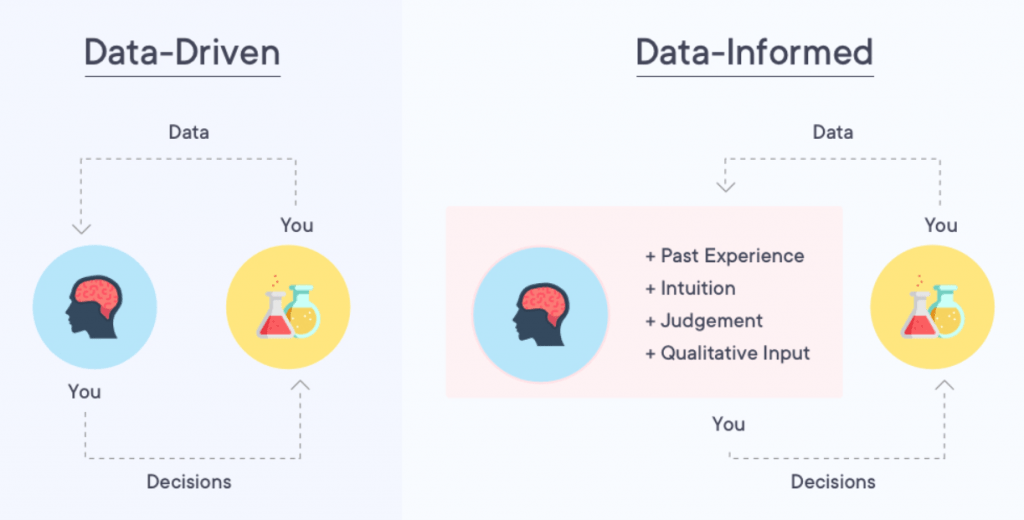
As a positive example of social, economic, and environmental responsibility, Industry 4.0 provides an incredible opportunity to share and expand on core concepts (for a manufacturing company, these could be ideas like efficiency, reliability, and speed) via targeted and strategic messaging. I’ll talk about a 9-Point Marketing Strategy later!
You can achieve this by promoting modern, forward-thinking concepts that can help differentiate you (this is USP) from others (competitors) in the marketplace.
What topics contribute toward your USP (Unique Selling Proposition), and what is USP in the first place?
Your USP or Unique Selling Proposition makes your business better than your competitors and is the reason why customers should buy from you. A USP informs every business modality, including brand management, slogans, developing and describing new products and services, and how you interact with clients. A strong USP will put your customers needs front and center.

Here are topics that can help build your USP as a manufacturing company (wanting to dial into Industry 4.0 concepts in messaging) –
- Increasing revenue and profitability: Industry 4.0 creates a more efficient and higher-quality production process and opens up marketing avenues for differentiating your product user journey against others in the marketplace.
- Optimizing processes for improved outputs: The need for integrated systems and the results they can produce will drive greater collaboration and communication among producers, suppliers, and other stakeholders in both the technological and marketing domains.
- Leading with high-quality products: You have a tremendous opportunity to realign and refocus quality and demonstrate to the world how new technologies can benefit and synergize the entire manufacturing industry, putting you in a position to lead the way with how you position your brand.
BRAND IMPACT
The impacts of Industry 4.0 (automation, “smart” machines and factories, etc.) can work conceptually and integrate into a marketing plan or strategy. Take its main outputs (for automation, think efficiency, reliability, speed) and apply them in cross-functional applications (namely, your content and messaging).
For example, if your drive for “efficiency” is to make your products easier to manufacture and is achieved thanks to new technologies like “smart factories”, then the output would be how it contributes toward messaging concepts like industry-best lead times (meeting on-time delivery requirements of clients) and added capacity to provide exceptional customer service (improving the client experience by developing enduring relationships at every touchpoint).

Today, I am developing a streamlined approach (that’s the 9-Point Marketing Strategy!) and testing various campaigns and projects to attain current goals and inform our future work. Of course, ensuring my team is collaborative and agile while leveraging informed data to drive the vision and mission forward.
It will be exciting to see what new product innovations (and process changes within marketing) grow from Industry 4.0.
What are your thoughts on this topic? Share, share away!

 Blox. is a Creative & Technical Marketer