First Issue of The Intersection

I’ve made some refinements to the original issue, which I previously posted as a plug for a podcast idea (see the updated written version below). If you’re wondering, yes, I still want to start a marketing podcast. I’m still exploring ideas on how to execute all of this. Likely, it will be a monthly contribution, again, following relevant topics around ‘A Marketing Communication for Businesses’.

This serves as inspiration and is also creative fuel for my passion project—Blox. Communications, a marketing consultancy and a project I’m building alongside my professional career as a Marketing Manager. It’s a service-based platform designed to support mid-sized businesses across sectors, including but not limited to manufacturing, distribution, and tech, with bold (a.k.a. creative), strategy-driven marketing solutions that connect, differentiate, and drive results.

If you have a project in mind that sparks your interest or if you’re struggling to find direction for your marketing department, let’s discuss and create a plan tailored to your needs!

The website is being developed, but so far you can take a look here.

And if you’re curious, it has been a long time since I’ve posted. Life has been uber busy, and while I know that is the lamest excuse, believe me, I remain dedicated and committed to my art, writing, and design! Posts to come – promise!

For now, enjoy reading The Intersection, and as always, I am open to hearing your feedback or suggestions. Talk soon.

What Is a Fighter Brand?

Fight.

Fight for what’s right.

Fight for it’s worth.

A fighter brand is when a company introduces a new, lower-priced product or brand to compete directly with its own existing products or with those of its competitors.

The purpose of a fighter brand is to target price-sensitive consumers who may otherwise choose a competitor’s cheaper alternatives, thereby protecting the company’s market share and overall brand image.

Pros

Market Segmentation: A fighter brand allows you to target different market segments simultaneously. It enables you to cater to both price-conscious consumers and those who are willing to pay a premium for your main brand, thus widening the client base.

Competitive Advantage: By offering a lower-priced option, you can directly challenge your competitors on price. It can capture clients who prioritize cost savings without undermining the reputation or sales of your higher-priced main brand.

Risk Mitigation: In the face of tough economic conditions or fluctuations in consumer preferences, the fighter brand can act as a buffer for your overall performance. If consumers tighten their budgets, they may switch to the more affordable fighter brand, maintaining sales for you.

Brand Loyalty: Clients who begin their journey with the fighter brand may eventually move up to your main brand if they have a positive experience. It can create brand loyalty within the client base, potentially increasing long-term client retention.

Cons

Cannibalization: One of the significant risks associated with fighter brands is the potential for cannibalization of sales. If the fighter brand draws clients away from your main brand without attracting new clients, overall revenue could suffer.

Brand Dilution: Introducing a lower-priced brand may lead to a perception of reduced product quality or brand dilution. If not managed carefully, it can negatively impact the image of your main brand, especially if clients associate the fighter brand with inferiority.

Marketing Costs: Successfully launching and maintaining a fighter brand requires investment in marketing and advertising. If the returns on this investment are not significant, it could strain your financial resources.

Logistical Complexity: Operating multiple brands can add complexity to your supply chain, distribution, and inventory management processes. It requires careful coordination and management.

Impact on a Growing Company:

For a growing company, introducing a fighter brand could have several implications:

Competitive Edge: In a competitive market, launching a fighter brand could help you gain a competitive edge by offering a more affordable alternative to your existing products and those of your competitors. This could attract budget-conscious clients and win market share.

Revenue Stability: Economic downturns or fluctuations in any industry can affect purchasing behavior. The fighter brand could help maintain revenue stability during challenging times by capturing price-sensitive clients.

Customer Acquisition and Loyalty: The fighter brand can act as a stepping stone for clients who are initially hesitant to invest in your main brand’s premium products. If they have a positive experience with the fighter brand, they may become loyal clients and eventually upgrade to the main brand.

Product Diversification: Introducing a fighter brand allows you to diversify your product portfolio and address the needs of a broader client base. This diversification can reduce reliance on a single product line and expand market reach.

Challenges in Brand Management: You must carefully manage your marketing and positioning of the fighter brand to avoid brand dilution and cannibalization. Clear differentiation between the fighter brand and the main brand is essential to maintain their distinct identities.

Operational Considerations: The introduction of a new brand may require adjustments to your processes, supply chain, and distribution channels. Proper planning is necessary to handle the increased logistical complexity.

In summary, a fighter brand can be a valuable strategy for a growing company. One main benefit of developing a fighter brand is that clients who initially purchase from the fighter brand might be enticed to upgrade entirely to or add-on different products and services as their needs and budgets evolve. This can foster long-term client loyalty (a longer term marketing strategy). To solidify a fighter brand’s market position, you would need to develop a clear communication strategy to explain the relationship between the main brand and the fighter brand to avoid confusion among clients.

I’m going to share more explorations on brand types in coming posts, so stay tuned!

How Industry 4.0 Affects Marketing – A Manufacturing Industry Analysis

Industry 4.0 is revolutionizing how companies manufacture, distribute and improve their products. But how does it impact businesses from a marketing perspective?

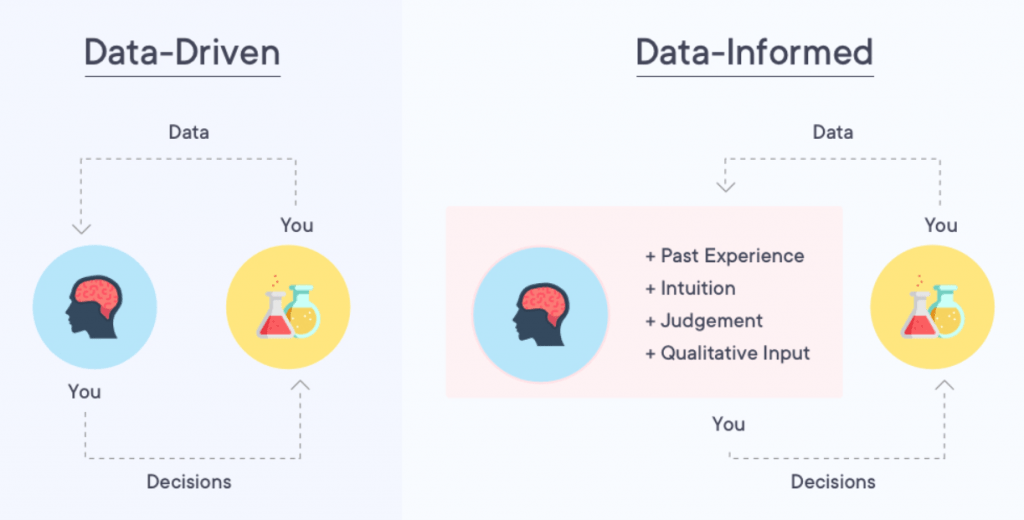
Characterized by increased automation and “smart” machines and factories, Industry 4.0 differs from previous industrial eras because manufacturing companies now have informed data (data + research + experience + personal insights) to help them manufacture their products more efficiently and productively across the value chain. 

Graphic describing the difference between Data-Driven and Data-Informed

As a positive example of social, economic, and environmental responsibility, Industry 4.0 provides an incredible opportunity to share and expand on core concepts (for a manufacturing company, these could be ideas like efficiency, reliability, and speed) via targeted and strategic messaging. I’ll talk about a 9-Point Marketing Strategy later!

You can achieve this by promoting modern, forward-thinking concepts that can help differentiate you (this is USP) from others (competitors) in the marketplace.

What topics contribute toward your USP (Unique Selling Proposition), and what is USP in the first place?

Your USP or Unique Selling Proposition makes your business better than your competitors and is the reason why customers should buy from you. A USP informs every business modality, including brand management, slogans, developing and describing new products and services, and how you interact with clients. A strong USP will put your customers needs front and center.

Graphic describing in a Venn diagram unique selling proposition (USP)

Here are topics that can help build your USP as a manufacturing company (wanting to dial into Industry 4.0 concepts in messaging) –

  • Increasing revenue and profitability: Industry 4.0 creates a more efficient and higher-quality production process and opens up marketing avenues for differentiating your product user journey against others in the marketplace.
  •  Optimizing processes for improved outputs: The need for integrated systems and the results they can produce will drive greater collaboration and communication among producers, suppliers, and other stakeholders in both the technological and marketing domains.
  •  Leading with high-quality products: You have a tremendous opportunity to realign and refocus quality and demonstrate to the world how new technologies can benefit and synergize the entire manufacturing industry, putting you in a position to lead the way with how you position your brand.

BRAND IMPACT

The impacts of Industry 4.0 (automation, “smart” machines and factories, etc.) can work conceptually and integrate into a marketing plan or strategy. Take its main outputs (for automation, think efficiency, reliability, speed) and apply them in cross-functional applications (namely, your content and messaging). 

For example, if your drive for “efficiency” is to make your products easier to manufacture and is achieved thanks to new technologies like “smart factories”, then the output would be how it contributes toward messaging concepts like industry-best lead times (meeting on-time delivery requirements of clients) and added capacity to provide exceptional customer service (improving the client experience by developing enduring relationships at every touchpoint).

Today, I am developing a streamlined approach (that’s the 9-Point Marketing Strategy!) and testing various campaigns and projects to attain current goals and inform our future work. Of course, ensuring my team is collaborative and agile while leveraging informed data to drive the vision and mission forward.

It will be exciting to see what new product innovations (and process changes within marketing) grow from Industry 4.0.

What are your thoughts on this topic? Share, share away!